saffron_red gold_Khorasan_Souvenir
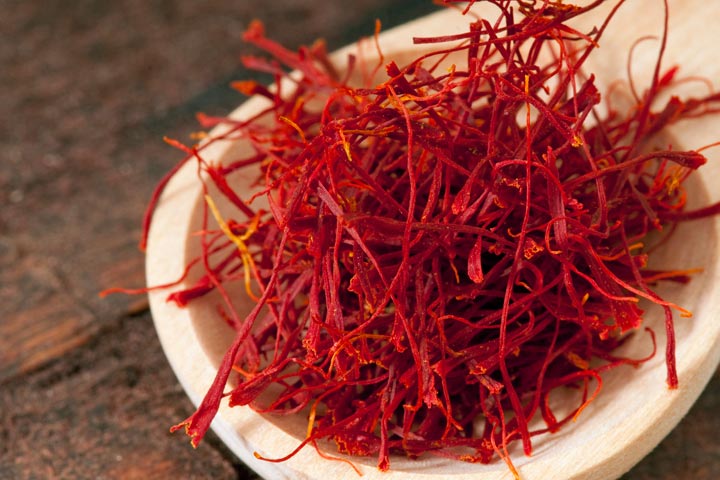 The scientific name of saffron is crocus sativus.The history of saffron’s cultivation in Iran (especially in Ghaenat) dates back to over 3000 years ago. As saffron is native to eastern Iran’s harsh desert environment, this colorful and precious plant doesn’t have branches or lots of leaves, just corms and flowers.
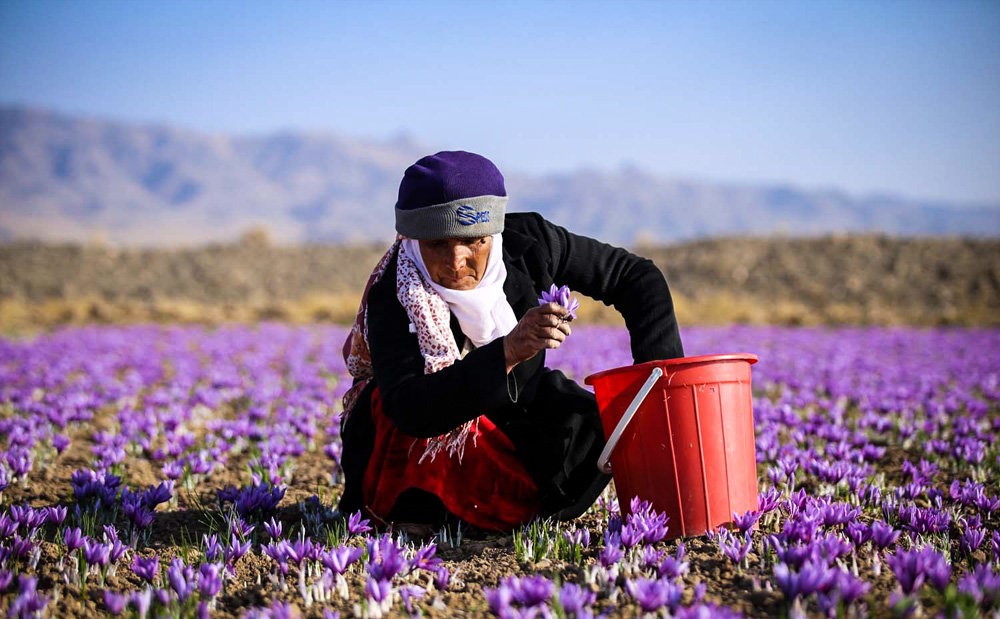
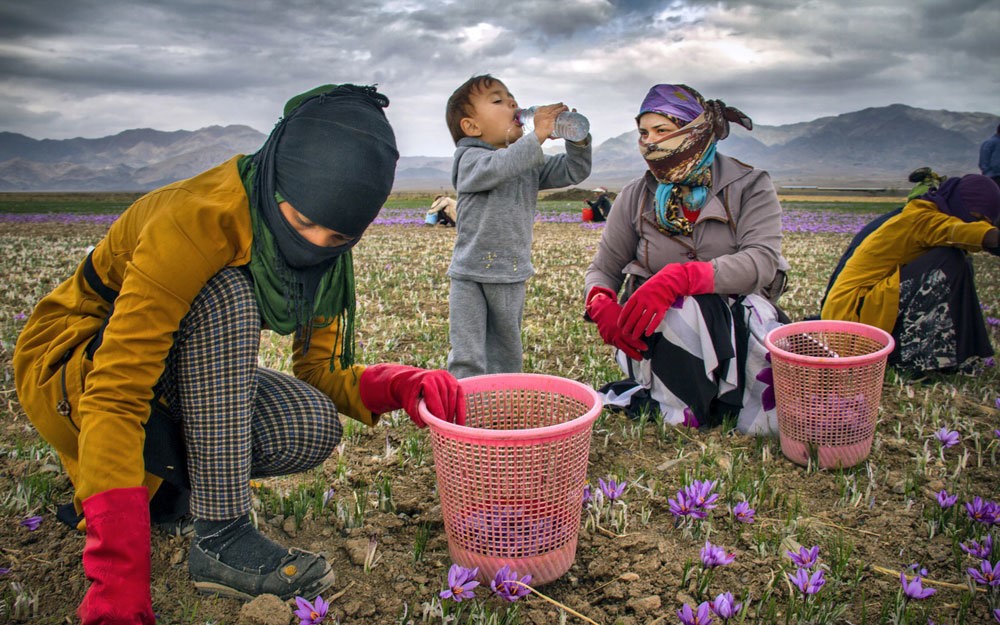 They’re also known as red gold or desert gold in Iran. 110 – 170 fresh flowers are used to produce a gram of saffron. To produce a kilogram, 150,000 fresh flowers are needed. Demand for saffron’s taste, aroma and color, its increasing usage in food manufacturing, pharmaceutical and chemical industries, as well as restrictions in cultivation and production, all contribute to the high price of the product. Iran on average produces 90-93% of total world production of saffron (between 200 to 300 tons a year).
 The main growing regions are the desert and arid areas of South Khorasan. In fact, saffron is one of the only a few plants that grow in this harsh condition. It only flowers twice a year – in November and again in early December. As saffron is native to Iran and has had a significant influence in its culture, the plant is a passion for many Iranians.
 A number of branded saffron stores dot the shopping areas in Mashhad and if coming to Iran means getting your share of saffron then do stop by at one of these stores.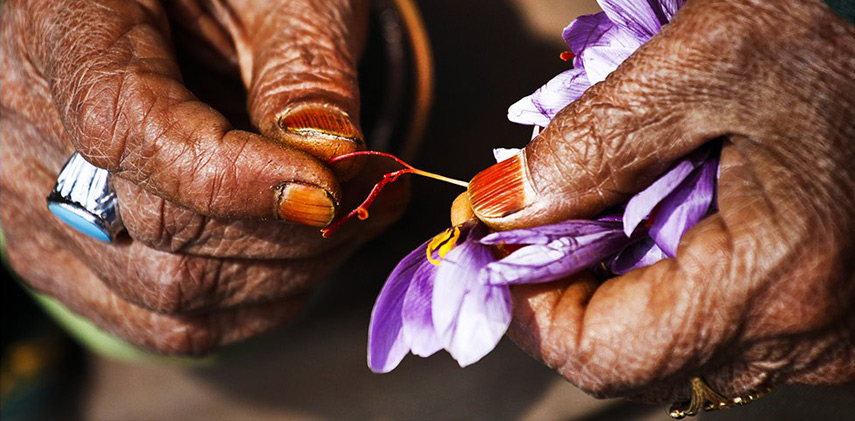
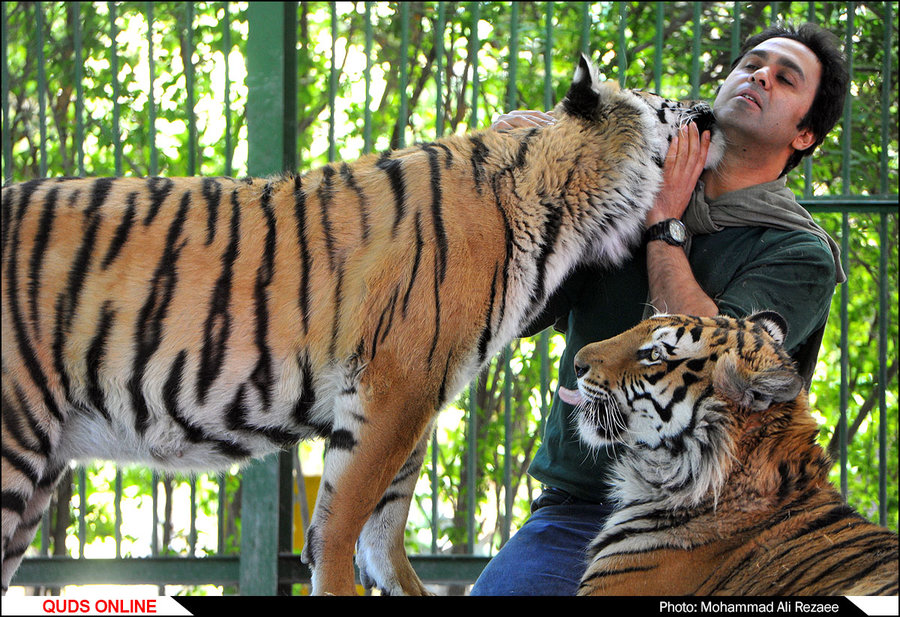
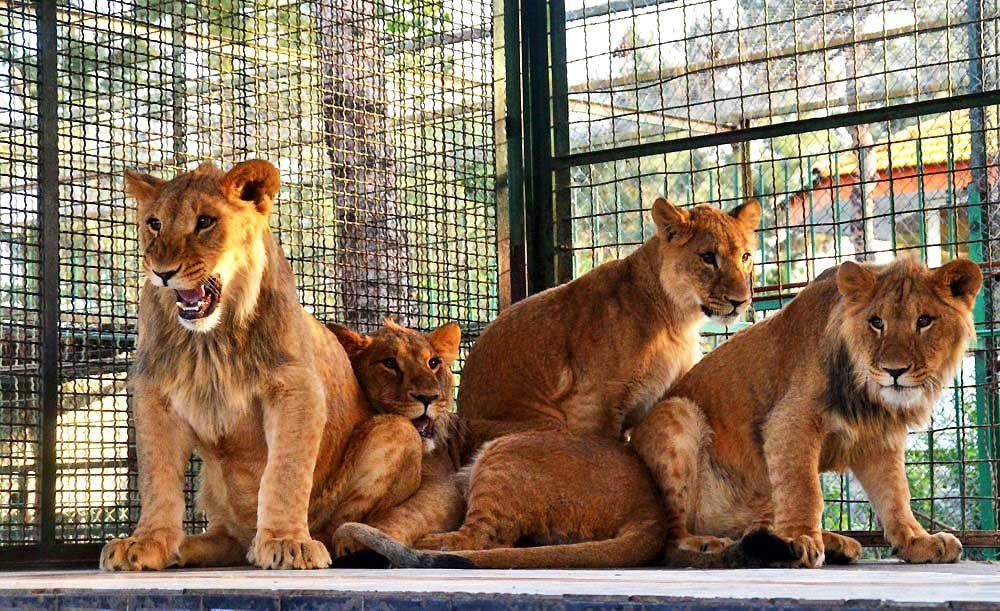 Vakil Abad Park & Zoo is situated in southwest Mashhad. With beautiful old town charm, it’s a perfect place for travelers to rest and enjoy. Within the park, there’s a large 70-hectare zoo known as Park City Mountain Zoo, which is also the only zoo in Mashhad. It has carnivores, herbivores, fish, reptiles, and birds, including endangered and some extremely rare animals such as Bengal tiger, Indonesian tiger, white oryx, aoudad sheep, alligator, llama, African leopard, lynx, etc. The zoo also breeds endangered species.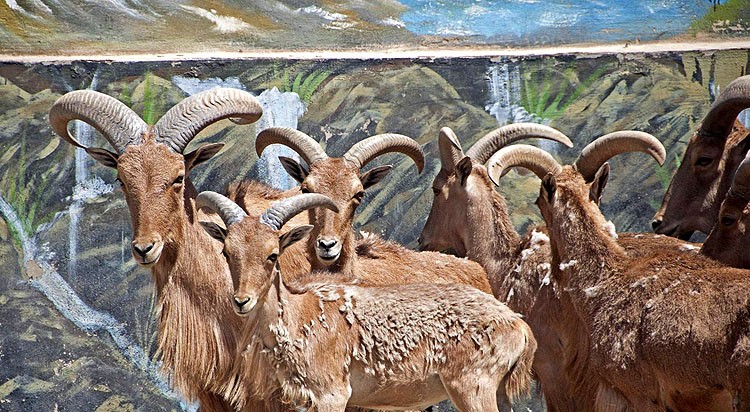
 Plum & Strawberry are two seasonal fruits that grow in spring. These delicious fruits are planted in different cities of IRAN and also exported to other countries. All these beautiful colours shows life, beauty, nature and life. visit our great IRAN, surely it will be the best.

 Ark Citadel (Arg-e Ali Shah) is located in Imam Khomeini Ave, Tabriz, Iran. Arg-e Ali Shah is also renowned as Ali Shah Mosque (Ali Shah Citadel). Although today it is only partially extant, the Ali Shah Mosque is believed to have been the largest brick structure ever built.It was built in the IlKhanid period (1318-1339) by Ali Shah, the Iranian Minister. Within the construction, the roof of the mausoleum collapsed and the construction was stopped afterwards.
 Centuries later, during different wars (1804-1911), the compound was quickly reconstructed as a military compound. During the reconstruction of the Arg compound, a foundry factory for the manufacturing of cannons for the Iranian Army was built, as well as a military headquarter, a barrack for the troops, and a small palace was added as well to the original plan of the Arg.During the Pahlavi era, parts of the Ark which had been constructed in the 19th century by the Qajar dynasty, were destroyed. This destruction was with the aim of purifying the original Arg construction from later developments.
 In 1990s and 2000s a great Feast was built next to the Arg castle. The superstructure of the feast undermines the architecture of Arg castle. Despite the regulations of the Iranian Organization for Cultural Heritages and several courts hearing, the construction of the new structure continued and accomplished.Today, the only part of the massive walls and the southern sanctuary of the mosque have remained. These walls in fact can be considered as the main elements of Ali Shah's mosque.
 Harireh is an ancient 8th century city located in what is now Kish, Iran. It is situated in the center of the northern coast of the island. Its area is about 3 square kilometers.
 Harireh is most probably the town that the renowned Iranian poet, Saadi, has referred to in his book Gulistan. There are references in the works of Iranian and Arab historians to the location of the town on the island. These say that the town was situated in the middle of the northern part, precisely where the ruins are standing today.
 Hi dear friends. I am NAVID TAHMASEBI (English instructor & Inbound manager of Tavrizh parvaz travel & tourism agency)and I was Born in Tabriz. This weblog is created to introduce IRAN for passengers from all around the World.