The Wooden Village_Neyshabur in Khorasan
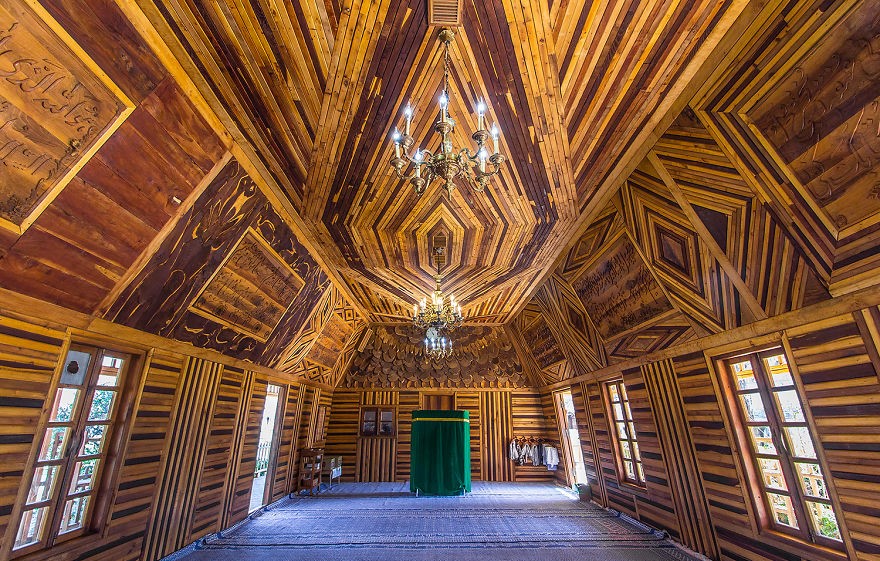
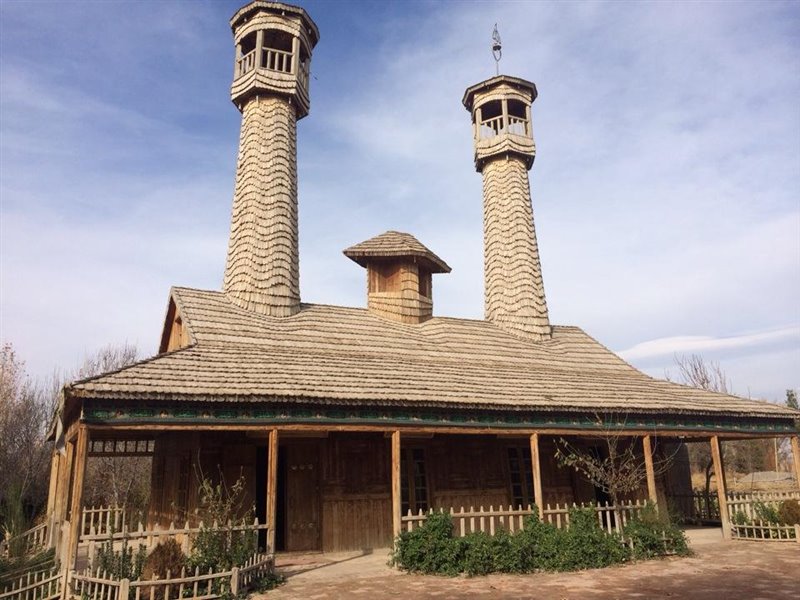
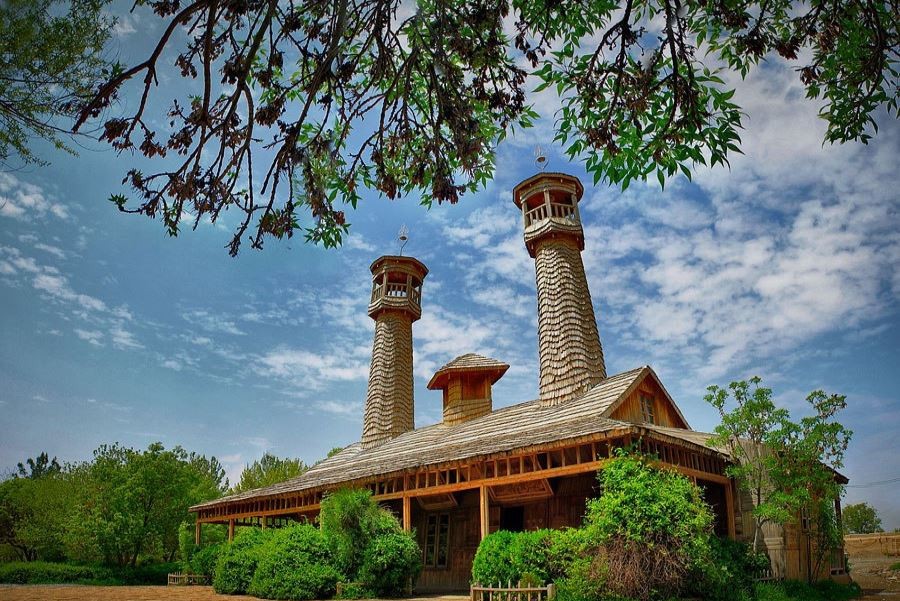 The Wooden Village is located in Neyshabur in Khorasan and is a unique attraction of the area engineered by Mr. Mojtahedi. The entire village has been made of wood and has used modern techniques in historical and cultural designs appropriate for the region. The village consists of a museum, library, restaurant, stores, bakery, mosque, gazebos and open green space.
 A two storied wooden building sits adjacent to the mosque, spanning 120 sq. meters and with double layered walls. The first floor of this building is a museum while the second floor is allocated to a library. The restaurant is in the shape of a 200 sq. meter octagon and can comfortably seat 130-140 people.
  The village has a total of 5 shops, all in the shape of a hexagon. While these shops have a wooden skeletal structure, their outside has been plastered with clay mortar thus giving it a slightly different appearance. The bakery has two wood burning stoves and prepares fresh bread the traditional way. The main difference setting aside the bakery from the other buildings is its chimney in the shape of a lady holding a basket of bread on her head.
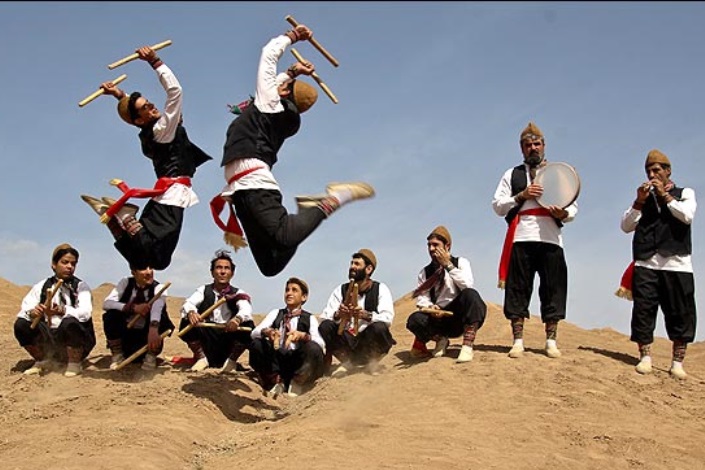 The Folk Dance of the County of Southern Khorasan has a long history and is with rhythmic and dramatic movements. The province has a wide variety of dance and music. Rhythm beats contain 5, 3 and 2 in the region, having unique features and are not common in other parts of Iran, beautiful vocals, epic songs and dances are common in Quhistan and Birjand.
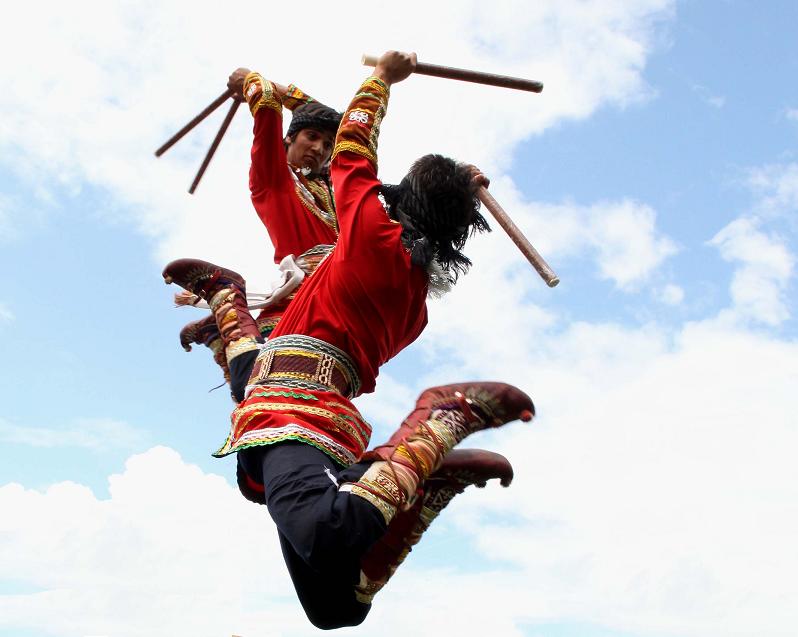 Folk instruments include the Timpani Drum - Serena – Circle usually made by the performers.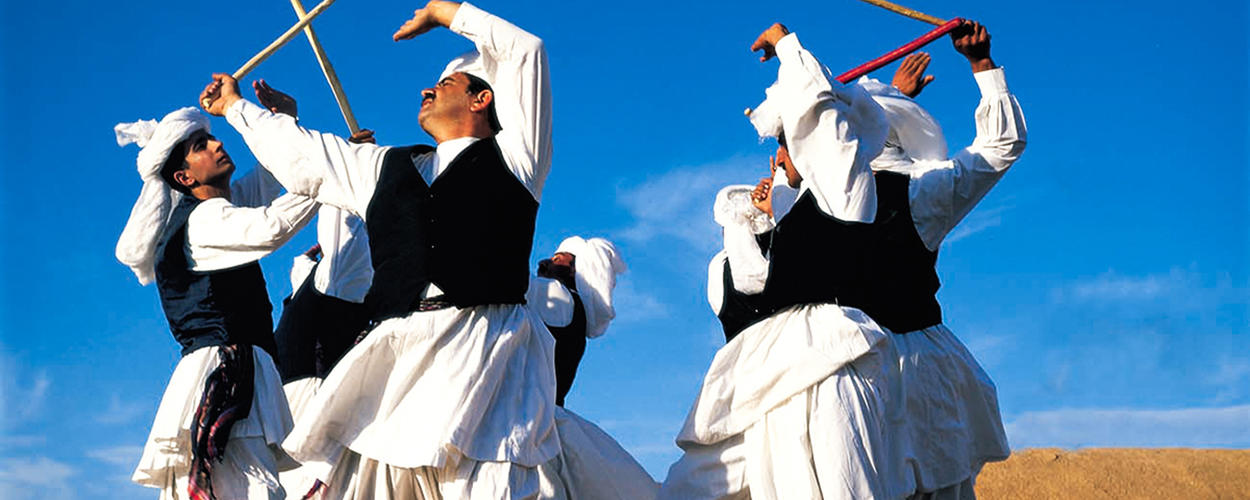
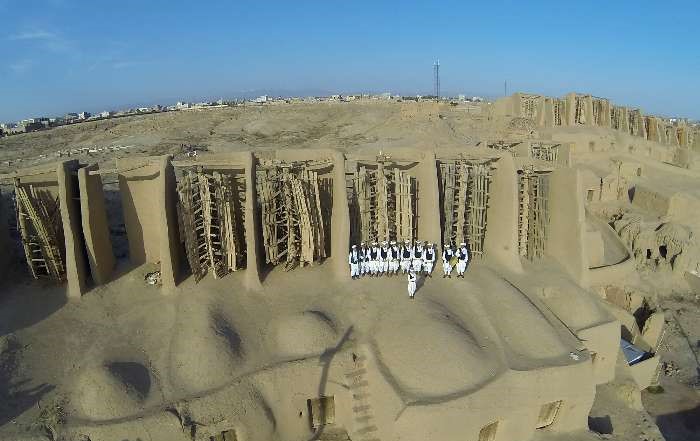 Nashtifan is a town located in the southern parts of Khorasan Razavi province 20 kilometers away from Khaf and 30 kilometers away from the border with Afghanistan. One of the main characteristics of the area is the strong winds that blow across it, causing it to initially be called Nish Toofan (storm’s sting). As a result of the natural elements in the area, windmills have been part of the region’s industrial creativity and have been used throughout many centuries. With the speed of the wind at times reaching 120 kilometers per hour, such windmills have been constructed perpendicular to the direction of the wind flow to maximize its output.
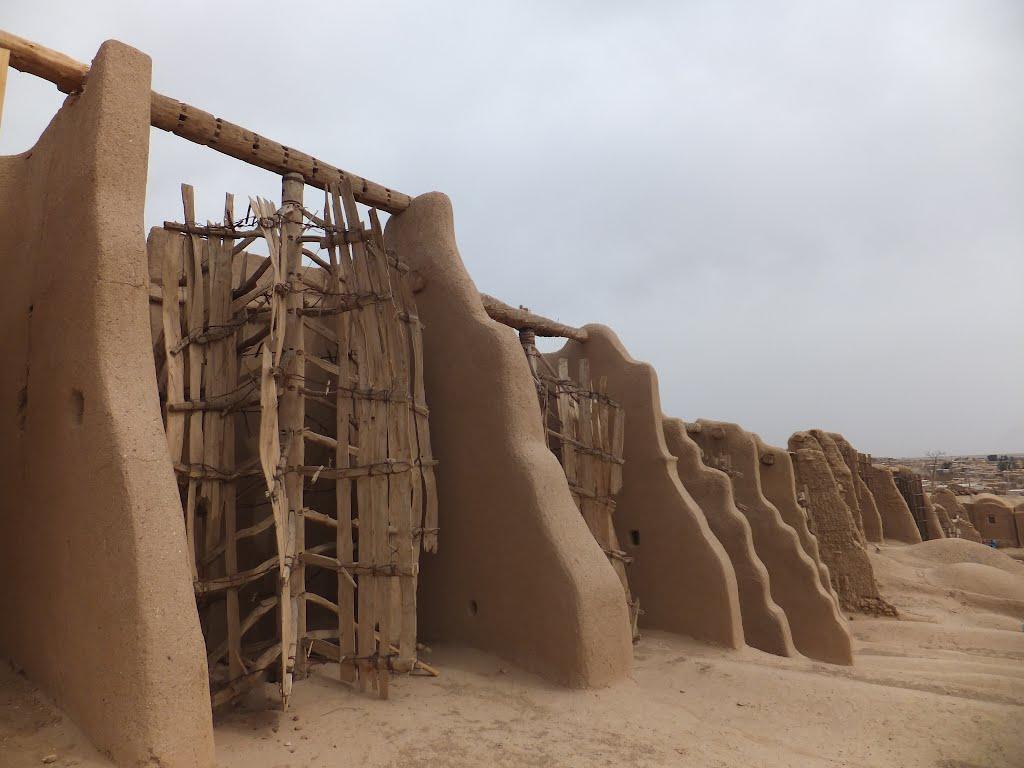 The 120 day winds no doubt play the most crucial role in supplying the necessary force for running the windmills although the also affect the everyday life of the locals in many other aspects as well.These windmills are among the oldest windmills of the world and the idea to construct windmills in other countries, particularly the Netherlands, has been transferred to these countries from Iran. These windmills were invented in eastern Persia around 500-900 A.D. The first known documented design is one with vertical sails made of bundles of reeds or wood which were attached to the central vertical shaft by horizontal struts.
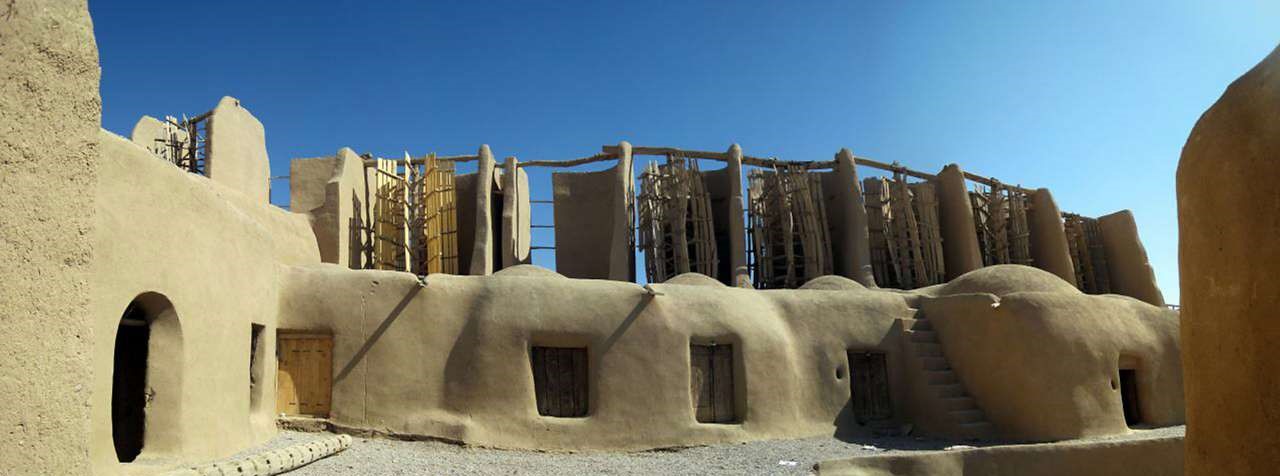 The one downside to such windmills is that because the wind panels rotate horizontally, only one side will be absorbing the wind energy while the other half of the device will essentially be going against the wind current and thus wasting energy in order to do so. As a result the blades can never move faster than, or even at, the speed of the wind.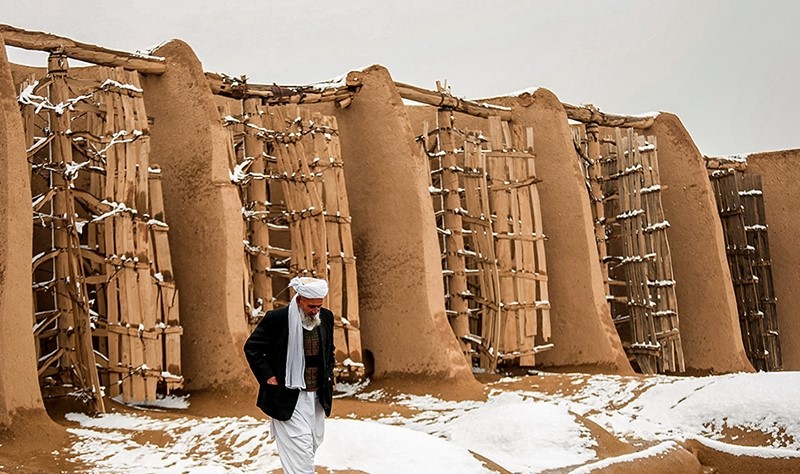
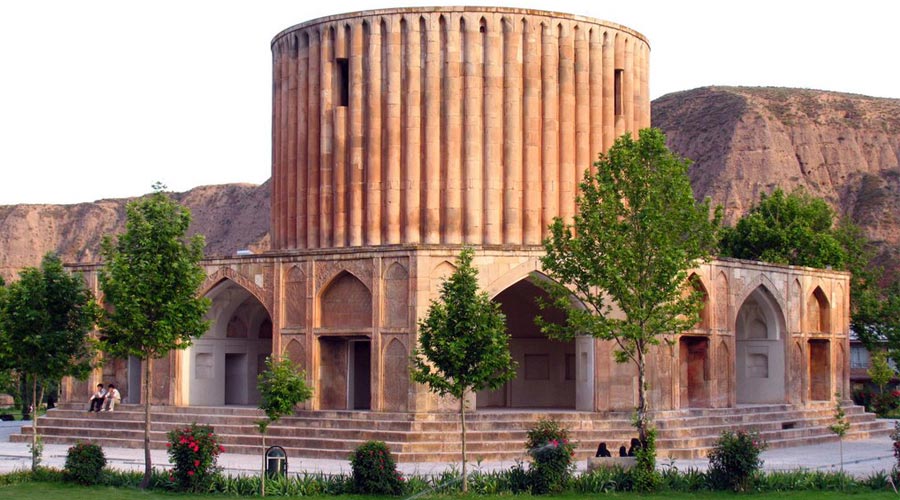
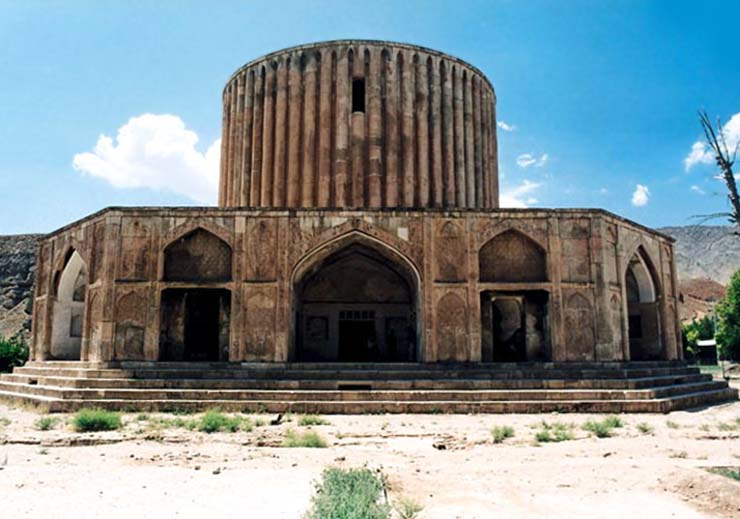
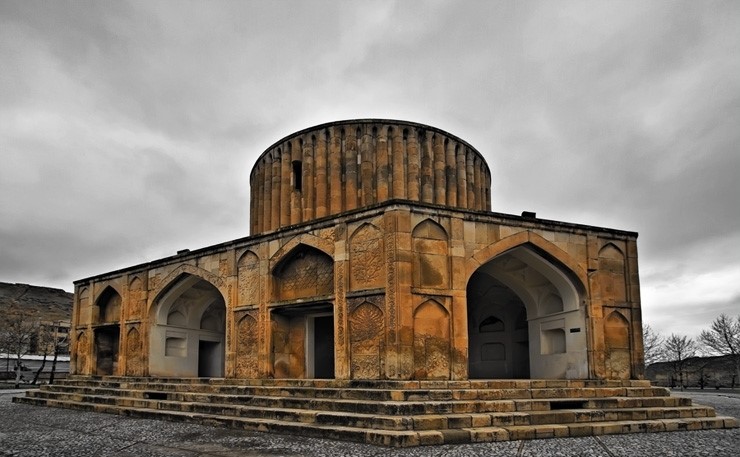 The Sun Palace is located in Khorasan Razavi province and is from the time of Nader Shah Afshar. It is believed to have been home to the royal family although it seems unlikely anyone actually lived there prior to Nader Shah’s death. In the center of this palace there is a tower enhanced with fire architectural designs. The facade of this palace is cylindrical, built of black marble. The palace stands 20 meters high and contains 12 rooms decorated with paintings and ornamental works such as plaster moldings.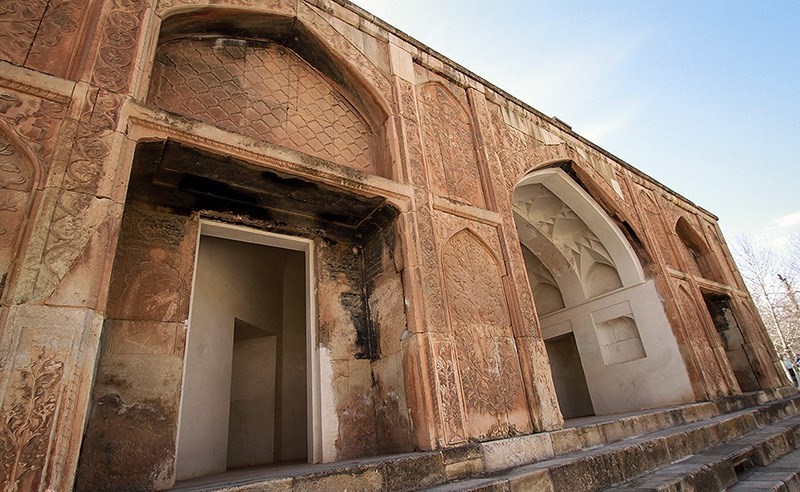
 Hi dear friends. I am NAVID TAHMASEBI (English instructor & Inbound manager of Tavrizh parvaz travel & tourism agency)and I was Born in Tabriz. This weblog is created to introduce IRAN for passengers from all around the World.