saffron_red gold_Khorasan_Souvenir
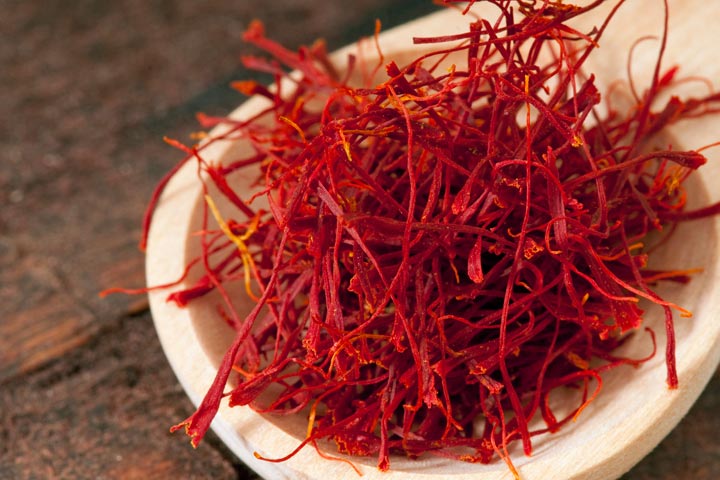 The scientific name of saffron is crocus sativus.The history of saffron’s cultivation in Iran (especially in Ghaenat) dates back to over 3000 years ago. As saffron is native to eastern Iran’s harsh desert environment, this colorful and precious plant doesn’t have branches or lots of leaves, just corms and flowers.
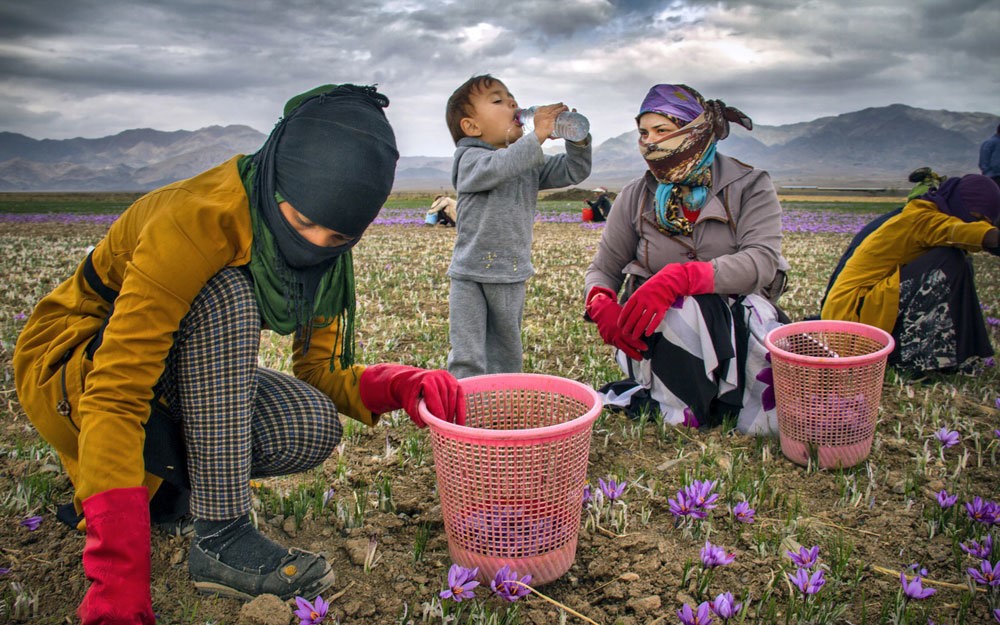 They’re also known as red gold or desert gold in Iran. 110 – 170 fresh flowers are used to produce a gram of saffron. To produce a kilogram, 150,000 fresh flowers are needed. Demand for saffron’s taste, aroma and color, its increasing usage in food manufacturing, pharmaceutical and chemical industries, as well as restrictions in cultivation and production, all contribute to the high price of the product. Iran on average produces 90-93% of total world production of saffron (between 200 to 300 tons a year).
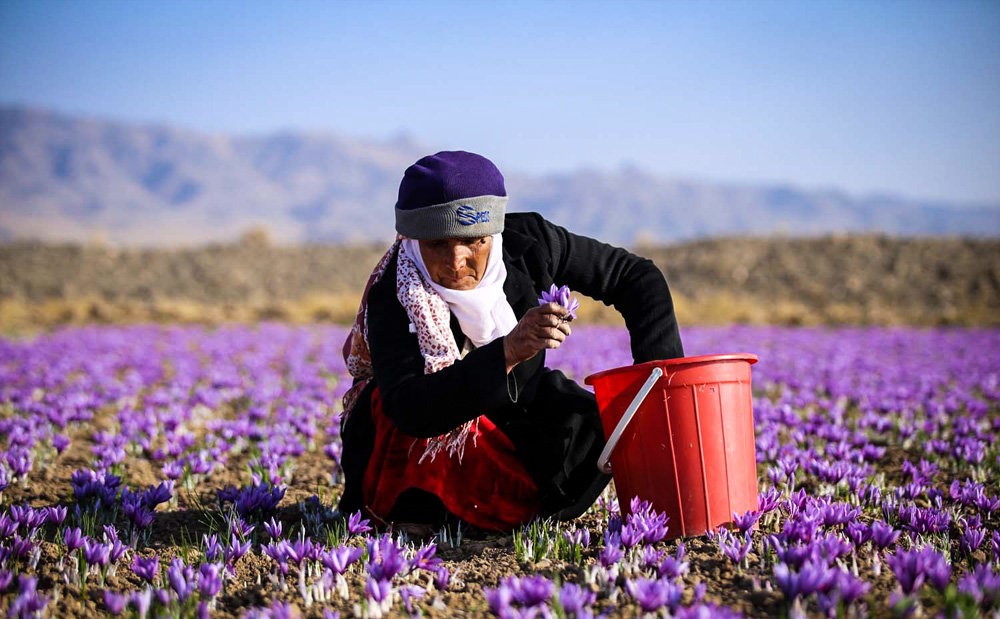
 The main growing regions are the desert and arid areas of South Khorasan. In fact, saffron is one of the only a few plants that grow in this harsh condition. It only flowers twice a year – in November and again in early December. As saffron is native to Iran and has had a significant influence in its culture, the plant is a passion for many Iranians.
 A number of branded saffron stores dot the shopping areas in Mashhad and if coming to Iran means getting your share of saffron then do stop by at one of these stores.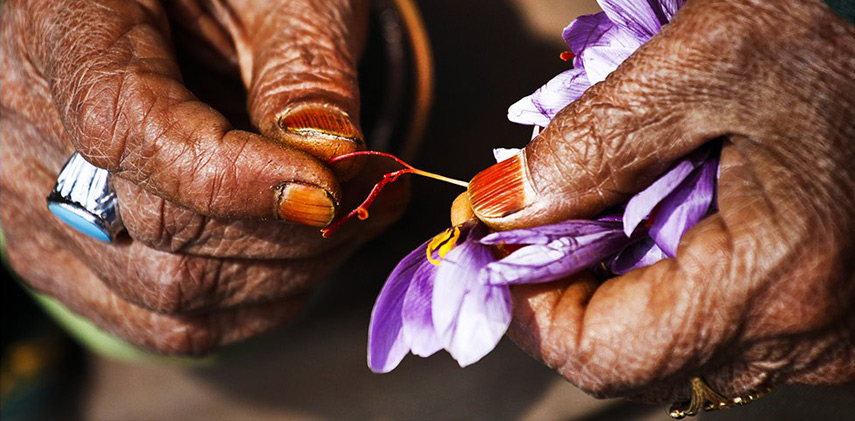
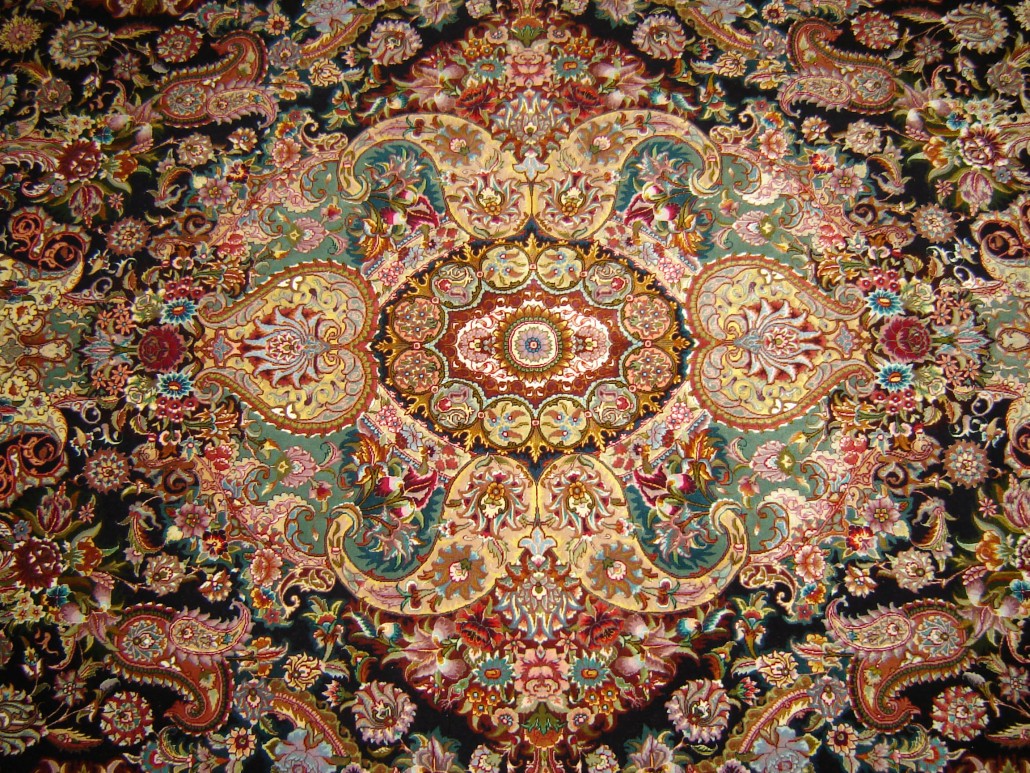 Tabriz, the centre of the most beautiful carpets and the best quality dried nuts of Iran, is situated in the northwest of the country.
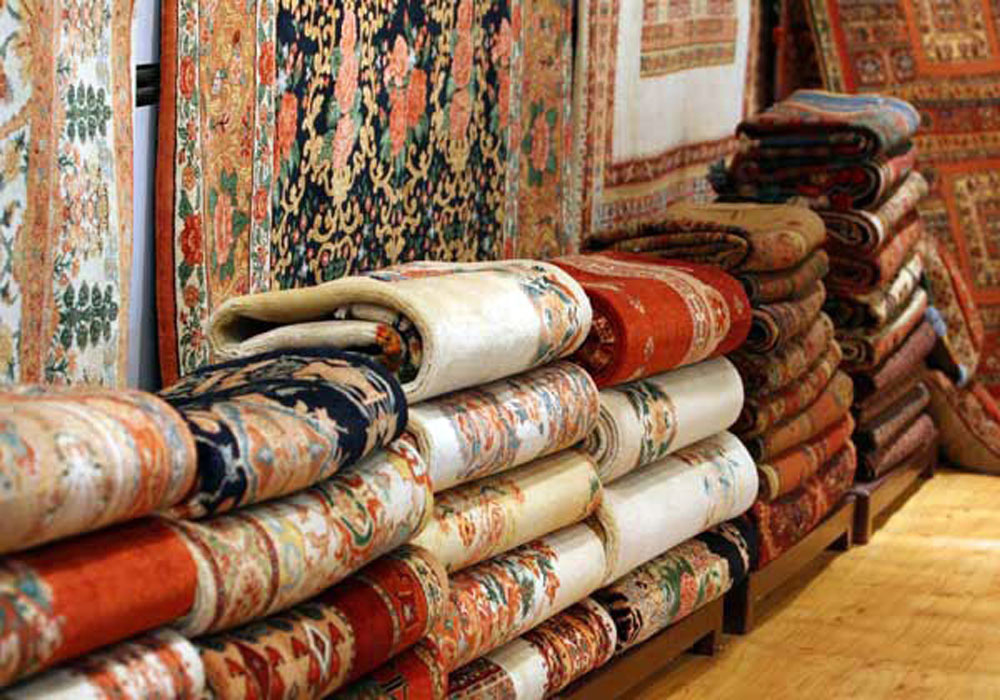 Antique Tabriz rugs are distinguished by their excellent weave and by their remarkable adherence to the classical traditions of antique Tabriz rug design. But they cannot be distinguished by any particular pattern or by their coloration.
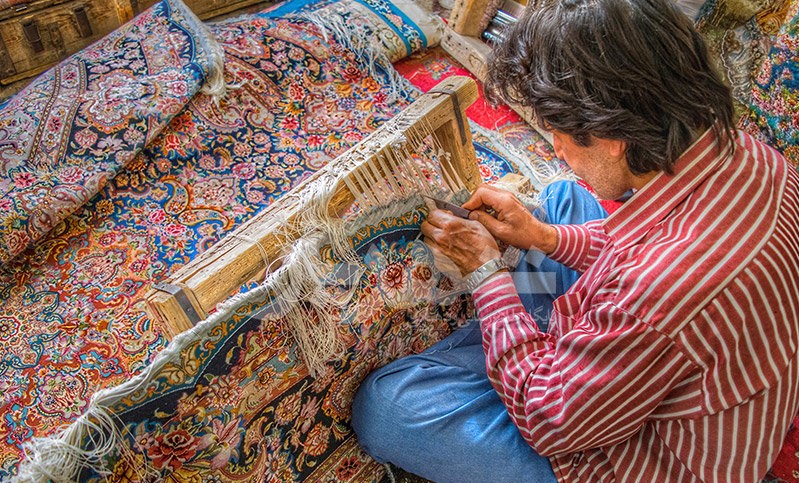 The city of Tabriz, in northwest Iran , was the earliest capital of the Safavid dynasty, and it can claim to have been a center of carpet production longer than any other city in Iran.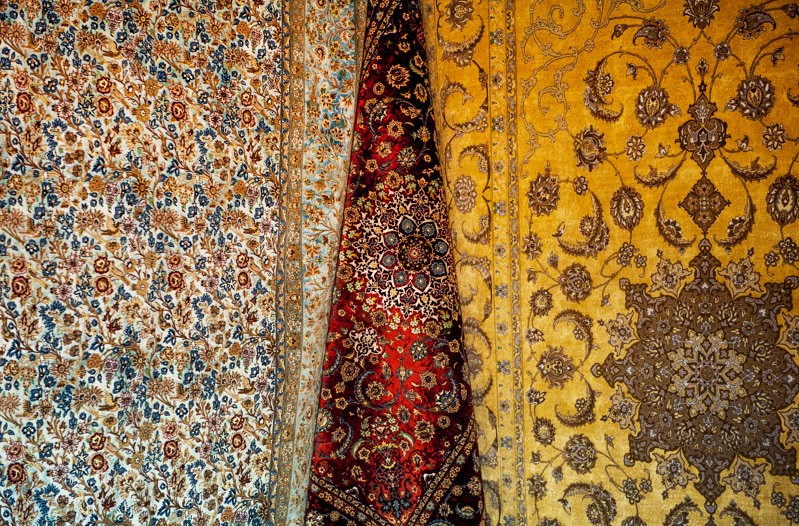
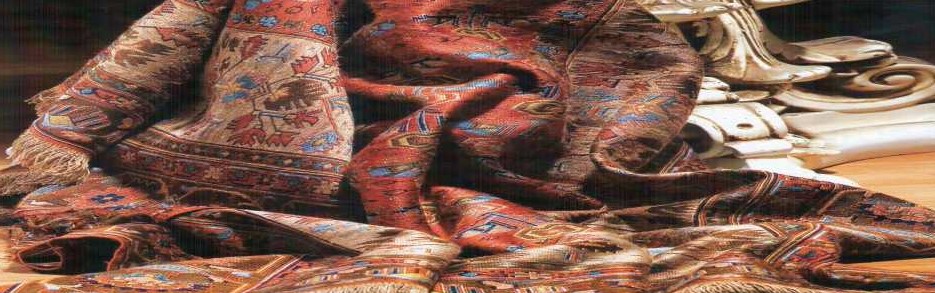
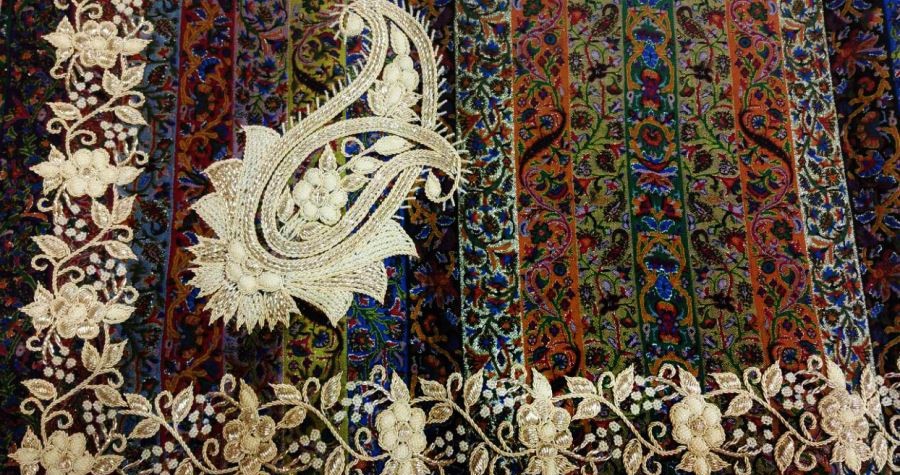 Termeh is a type of Iranian handwoven cloth, produced primarily in the Yazd province. Termeh has been admired throughout history: Greek historians commented on the beauty of Persian weavings in the Achaemenian (532 B.C.), Ashkani (222 B.C.) and Sasanidae (226–641 A.D.) periods and the famous Chinese tourist Hoang Tesang admired Termeh.Weaving Termeh requires natural silk and good wool with tall fibers. Termeh is woven by an expert with the assistance of a worker called "Goushvareh-kesh". Weaving Termeh is a sensitive, careful, and time-consuming process; a good weaver can produce only 25 to 30 centimetres (10 to 12 in) in a day. The background colors used in Termeh are jujube red, light red, green, orange and black.
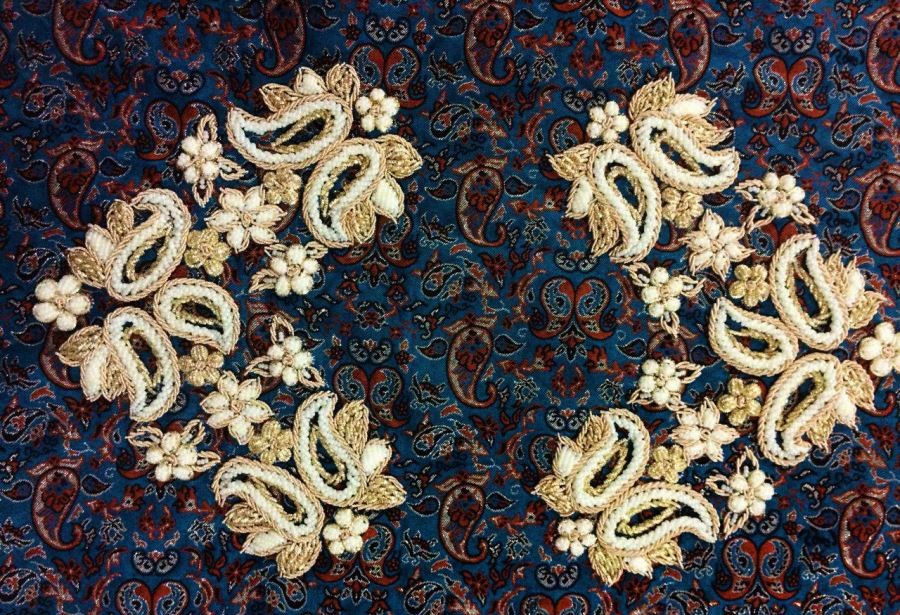 Owing to the difficulty of producing Termeh and the advent of mechanized weaving, few Iranian factories still produce traditionally woven Termeh. Both Yazd and neighbouring Kerman regions have the reputation of producing quality termeh. As is the case with Persian carpets, traditional Yazdi, as well as Kermani termeh, have a reputation of being of superior quality and workmanship.
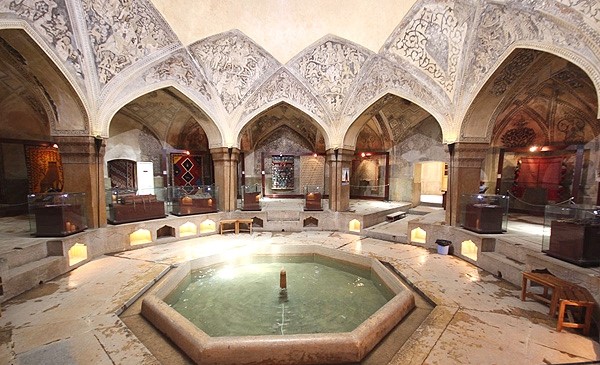
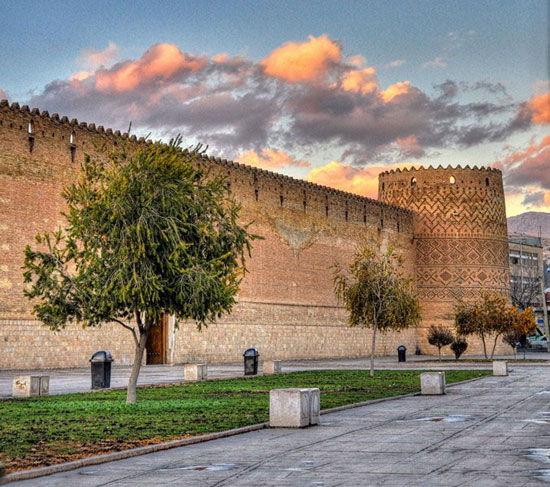
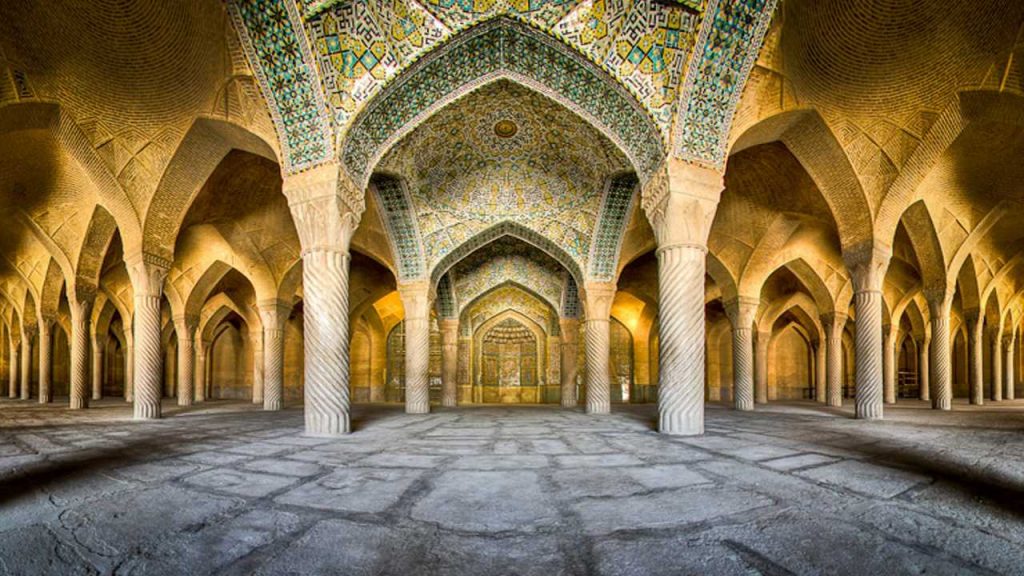 Zand Complex: It includes Citadel,Bath,Mosque and traditional Bazaar,which is located in the center of Shiraz in Zand street among the oldest streets of Shiraz and near the most and best hotels of this city.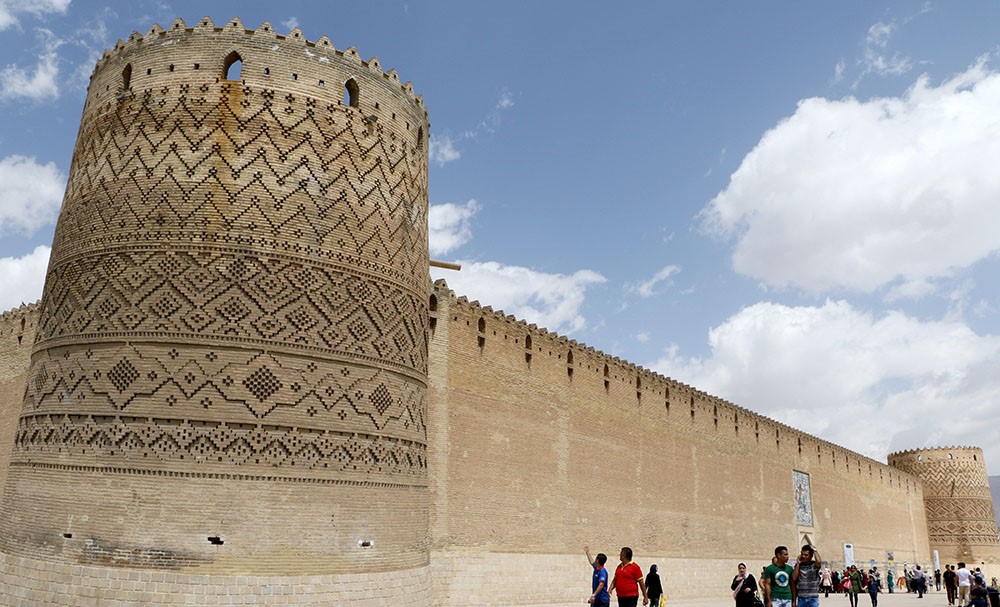


 Hi dear friends. I am NAVID TAHMASEBI (English instructor & Inbound manager of Tavrizh parvaz travel & tourism agency)and I was Born in Tabriz. This weblog is created to introduce IRAN for passengers from all around the World.