Tabriz as the tourism capital of Islamic countries in 2018
 Undoubtedly, Tourism is one of the most attractive and profitable industries of the world, contributing to the development and prosperity of the countries. The Eco-friendly essence of Tourism as well as its enormous revenue-making potentials has made all cities welcome it and strive to take the most advantages of this powerful industry by boasting their tourist capabilities and presenting all beautiful attractions of their regions to the world.
 In this regard, Tabriz has always starred in the sky of Iranian tourism throughput the history. Obviously, the selection of Tabriz as "the tourism capital of Islamic countries in 2018" by OIC (organization of Islamic cooperation) is a vivid reason to prove the claim.The Municipal administration of Tabriz Metropolis, as the leading power of city's dynamic progress, is to take all necessary strides to introduce the city to the world as a cosmopolitan city.May Tabriz 2018 be a starting point of a promising route , leading Tabriz and its citizens to their ideal goals and introducing the magnificent name of the city to all nations.

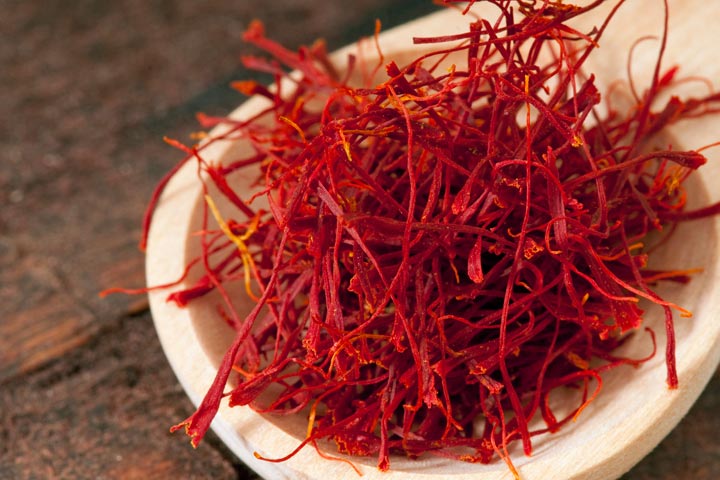 The scientific name of saffron is crocus sativus.The history of saffron’s cultivation in Iran (especially in Ghaenat) dates back to over 3000 years ago. As saffron is native to eastern Iran’s harsh desert environment, this colorful and precious plant doesn’t have branches or lots of leaves, just corms and flowers.
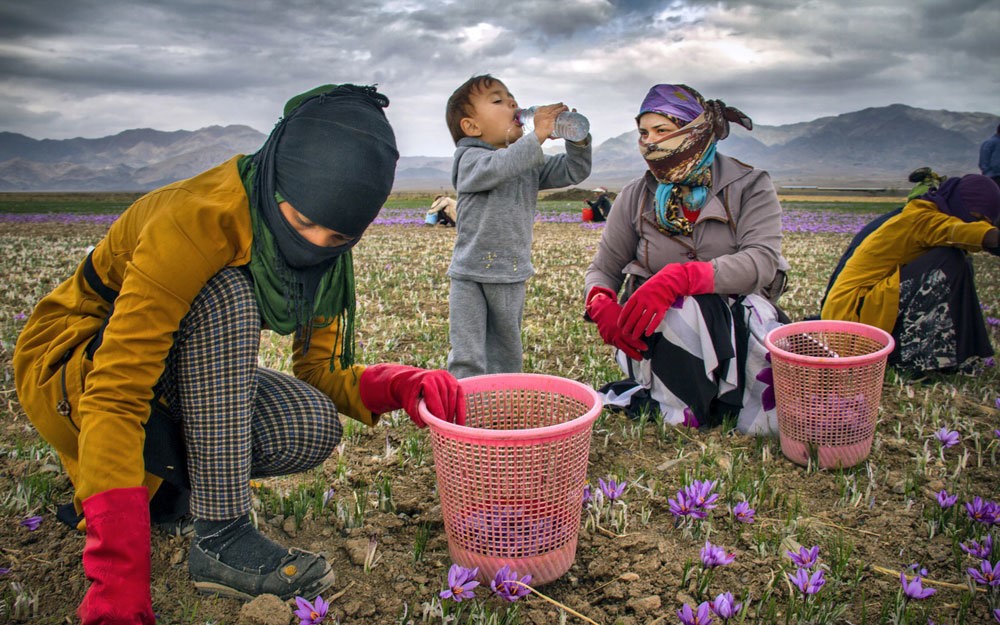 They’re also known as red gold or desert gold in Iran. 110 – 170 fresh flowers are used to produce a gram of saffron. To produce a kilogram, 150,000 fresh flowers are needed. Demand for saffron’s taste, aroma and color, its increasing usage in food manufacturing, pharmaceutical and chemical industries, as well as restrictions in cultivation and production, all contribute to the high price of the product. Iran on average produces 90-93% of total world production of saffron (between 200 to 300 tons a year).
 The main growing regions are the desert and arid areas of South Khorasan. In fact, saffron is one of the only a few plants that grow in this harsh condition. It only flowers twice a year – in November and again in early December. As saffron is native to Iran and has had a significant influence in its culture, the plant is a passion for many Iranians.
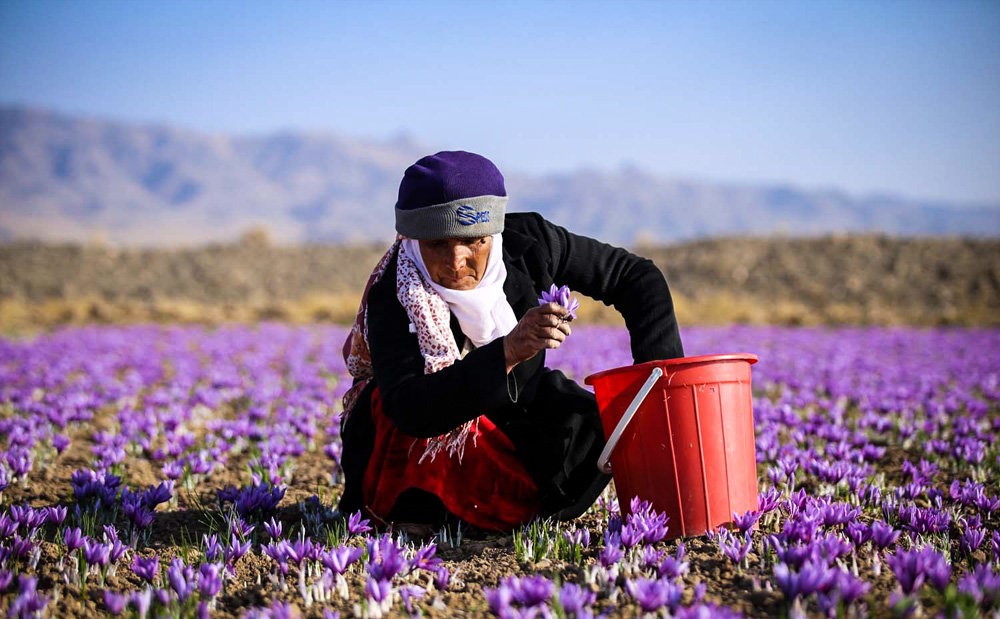 A number of branded saffron stores dot the shopping areas in Mashhad and if coming to Iran means getting your share of saffron then do stop by at one of these stores.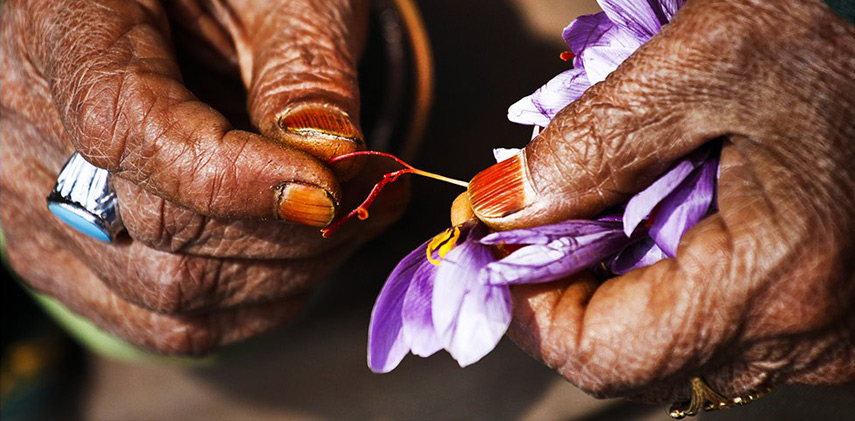
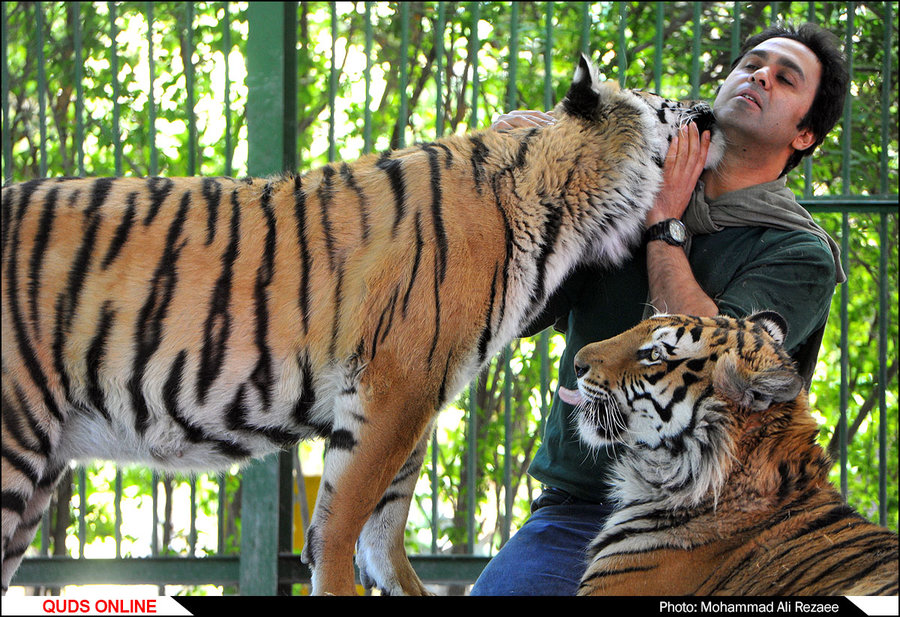
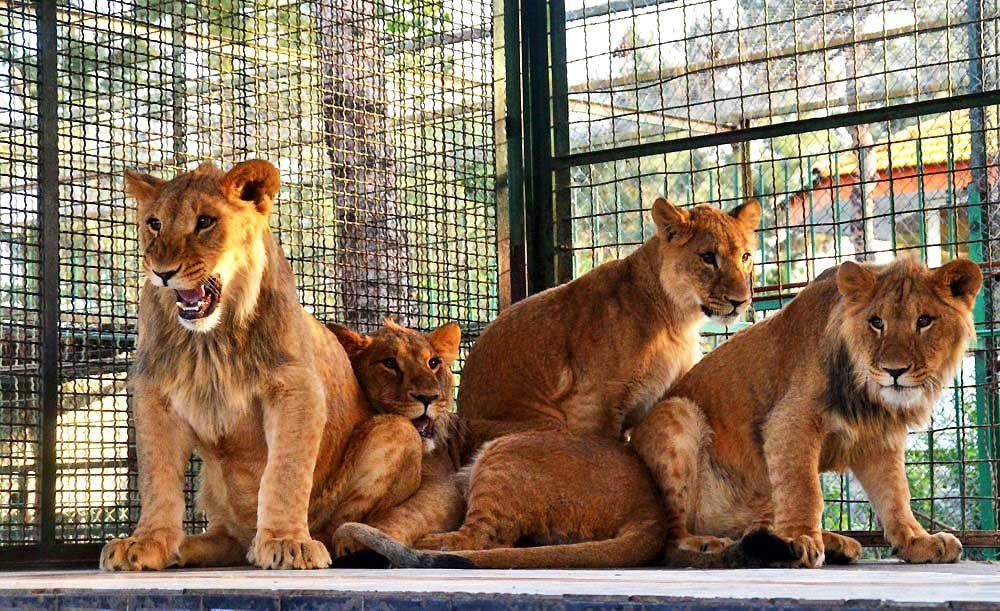 Vakil Abad Park & Zoo is situated in southwest Mashhad. With beautiful old town charm, it’s a perfect place for travelers to rest and enjoy. Within the park, there’s a large 70-hectare zoo known as Park City Mountain Zoo, which is also the only zoo in Mashhad. It has carnivores, herbivores, fish, reptiles, and birds, including endangered and some extremely rare animals such as Bengal tiger, Indonesian tiger, white oryx, aoudad sheep, alligator, llama, African leopard, lynx, etc. The zoo also breeds endangered species.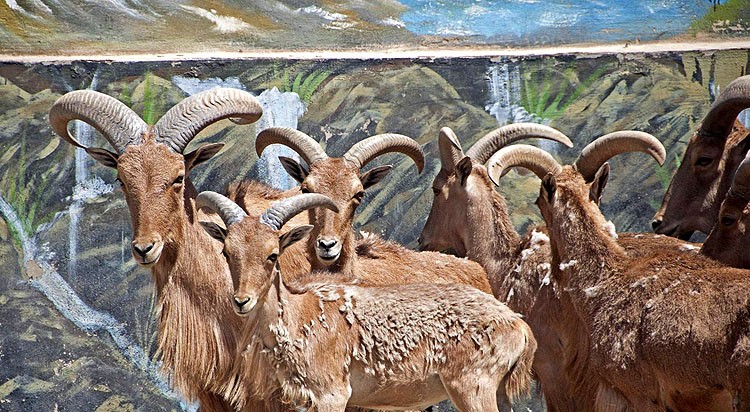
 Plum & Strawberry are two seasonal fruits that grow in spring. These delicious fruits are planted in different cities of IRAN and also exported to other countries. All these beautiful colours shows life, beauty, nature and life. visit our great IRAN, surely it will be the best.

 Ark Citadel (Arg-e Ali Shah) is located in Imam Khomeini Ave, Tabriz, Iran. Arg-e Ali Shah is also renowned as Ali Shah Mosque (Ali Shah Citadel). Although today it is only partially extant, the Ali Shah Mosque is believed to have been the largest brick structure ever built.It was built in the IlKhanid period (1318-1339) by Ali Shah, the Iranian Minister. Within the construction, the roof of the mausoleum collapsed and the construction was stopped afterwards.
 Centuries later, during different wars (1804-1911), the compound was quickly reconstructed as a military compound. During the reconstruction of the Arg compound, a foundry factory for the manufacturing of cannons for the Iranian Army was built, as well as a military headquarter, a barrack for the troops, and a small palace was added as well to the original plan of the Arg.During the Pahlavi era, parts of the Ark which had been constructed in the 19th century by the Qajar dynasty, were destroyed. This destruction was with the aim of purifying the original Arg construction from later developments.
 In 1990s and 2000s a great Feast was built next to the Arg castle. The superstructure of the feast undermines the architecture of Arg castle. Despite the regulations of the Iranian Organization for Cultural Heritages and several courts hearing, the construction of the new structure continued and accomplished.Today, the only part of the massive walls and the southern sanctuary of the mosque have remained. These walls in fact can be considered as the main elements of Ali Shah's mosque.
 Harireh is an ancient 8th century city located in what is now Kish, Iran. It is situated in the center of the northern coast of the island. Its area is about 3 square kilometers.
 Harireh is most probably the town that the renowned Iranian poet, Saadi, has referred to in his book Gulistan. There are references in the works of Iranian and Arab historians to the location of the town on the island. These say that the town was situated in the middle of the northern part, precisely where the ruins are standing today.
 Hegmataneh is located in suburban area of Hamedan. It contains 50 acres of the city of Hamadan. This valuable historical collection is of great archeological value and apart of it is not excavated.
  The area has historical remains dating back to Medes, Achamenids, Parthian, Sasanids and also Islamic dynasties like Aleh Bouyeh (Bouyehs Family) most of them belong to Parthian era. The area enjoys a great variety of Parthian modern architectural systems of urban areas that are masterpieces of their time and reveal their creators special talent.


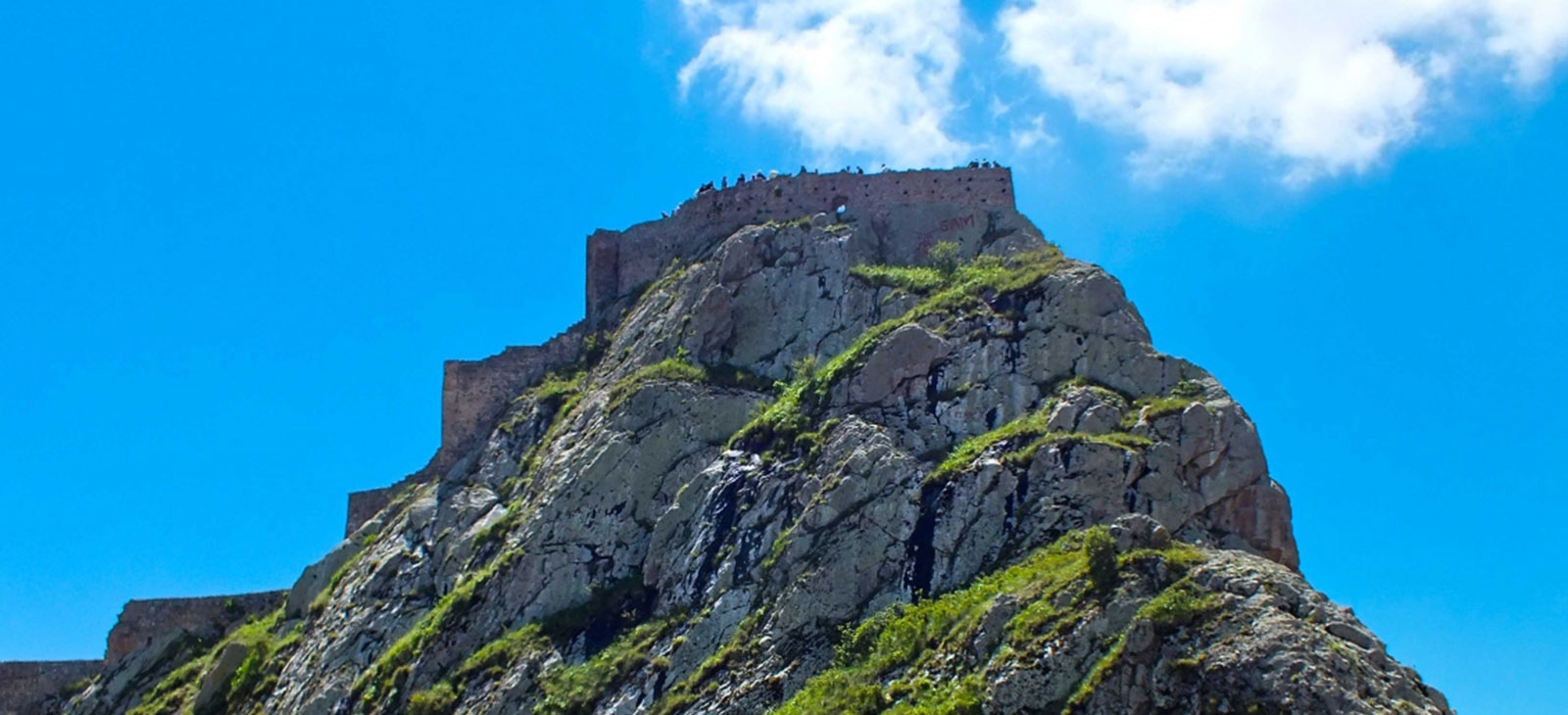 Babak Castle, also known as the Immortal Castle or Republic Castle, is a large citadel and National Symbol of Iranians on the top of a mountain in the Arasbaran forests, which is located 6 km southwest of Kalibar City in northwestern Iran.
 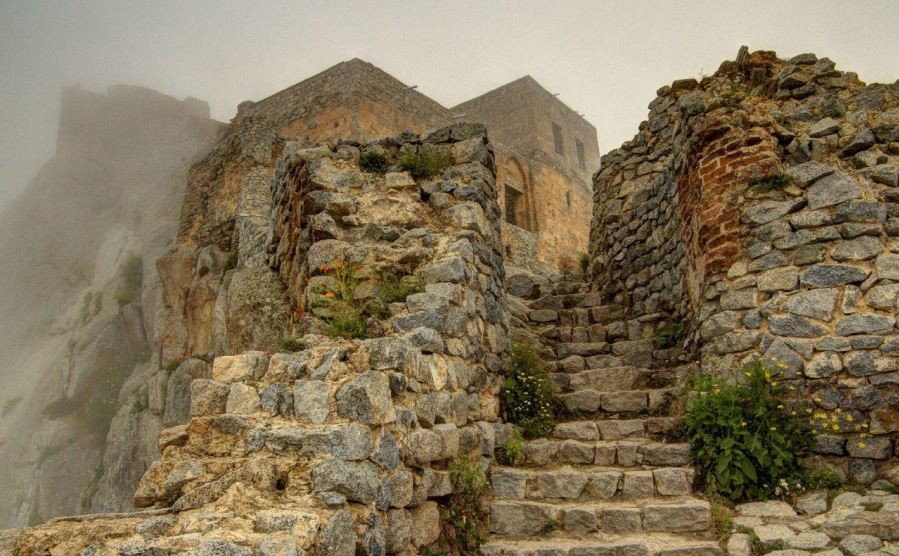 It has been identified as the stronghold of Pāpak Khorramdin, the leader of the Khurramites in Azarbaijan who fought the Islamic caliphate of Abbassids. Iranian Azarbaijanis gather at Babak Castle during the first weekend in July for the annual commemoration of Babak Khorramdin.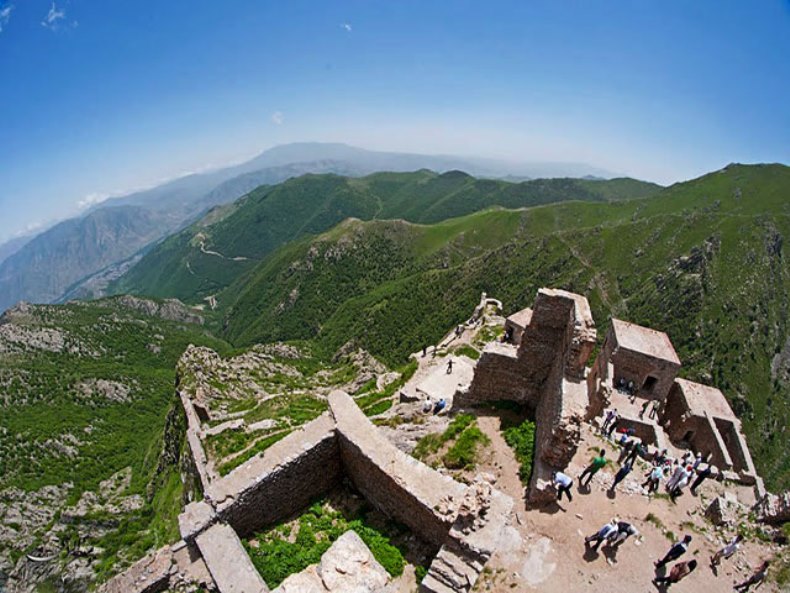
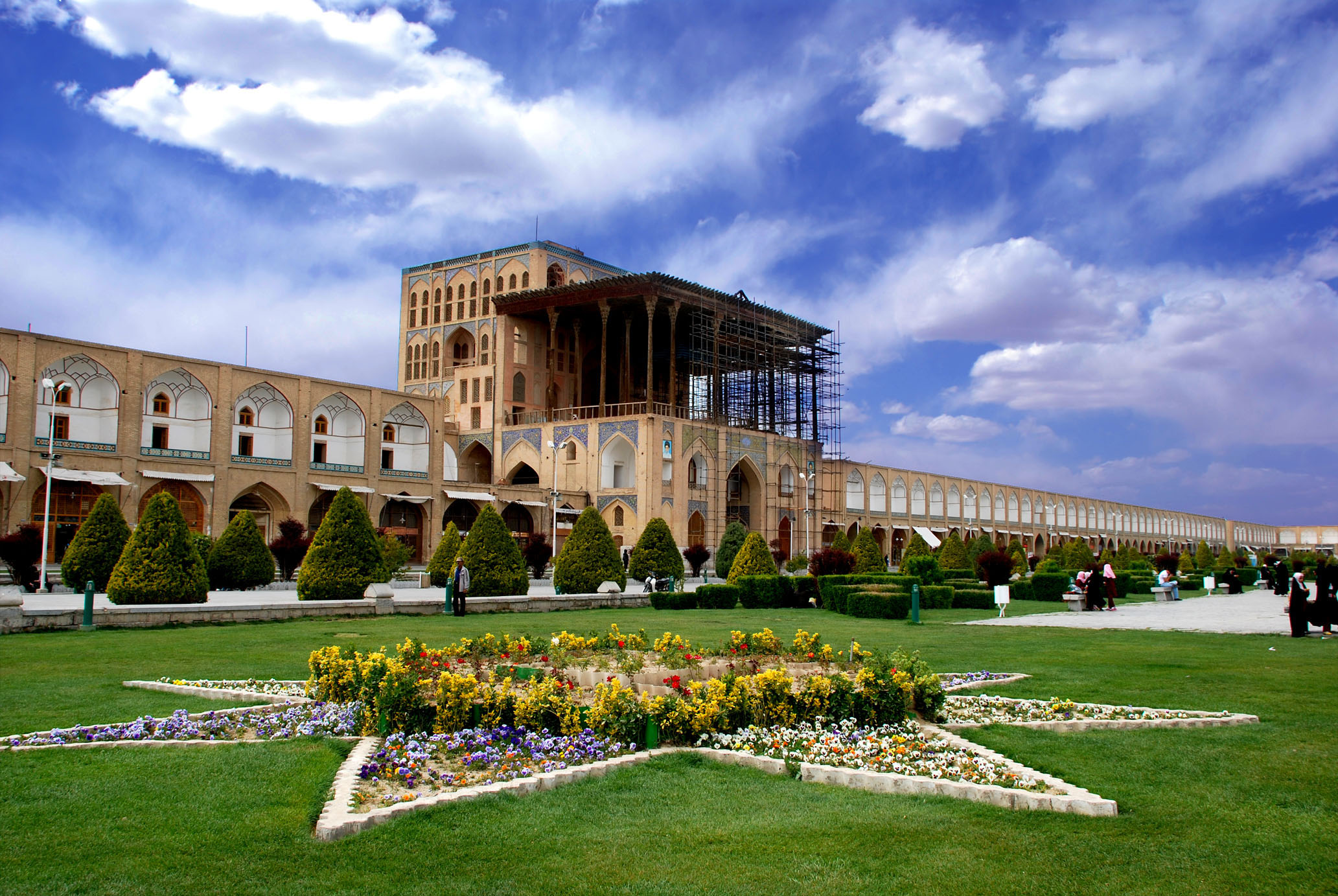 Ali Qapu palace which is a unique example of palace architecture in the Safavid era was constructed under the order of Shah Abbas I in the early 11th century A.H. The monarch received special envoys in this palace and held his audience here. There are five floors in this palace and each floor has its special decorations.
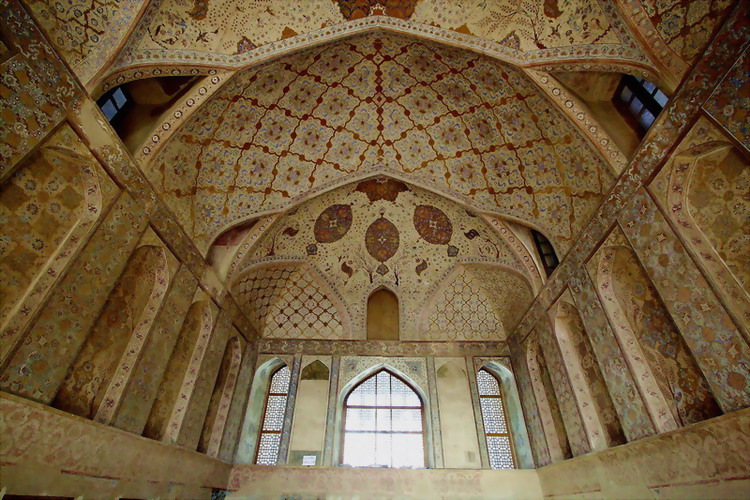 During the reign of Shah Abbas II, a royal parlor (Shah Neshin) was added to the main building and the sovereign and his guests watched polo, illuminations, fire-works and the dramatics that took place in the Nagsh-e-Jahan Square from the halls of this elegant palace. This palace was also called 'Daulat Khaneh-e-Mobarakeh Nagsh-e-Jahan' and the 'Daulat Khaneh Palace'. Its unique archaic architecture is related to the Safavid era.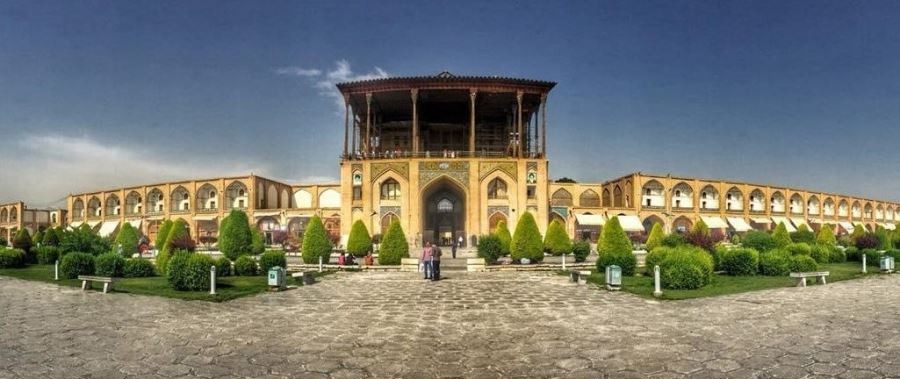
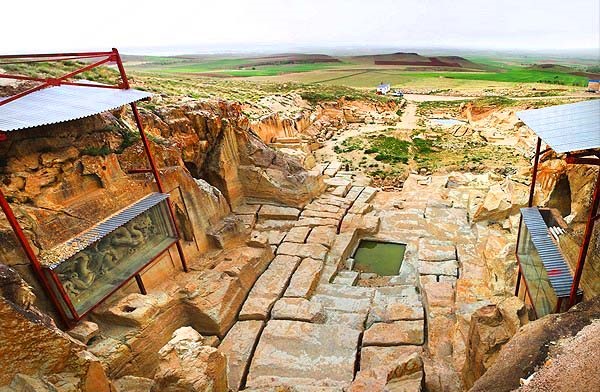 Dashkasan or the Dragon Temple is located 10 kilometers southeast of Soltaniyeh near Veir Village. Dashkasan consists of three deep, manmade caves that have exquisite stone carvings. One of these carvings is the image of two 3.5-meter dragons facing each other. There are alters decorated with floral and arabesque motifs as well as stone Muqarnas decorations on either side of these carvings.
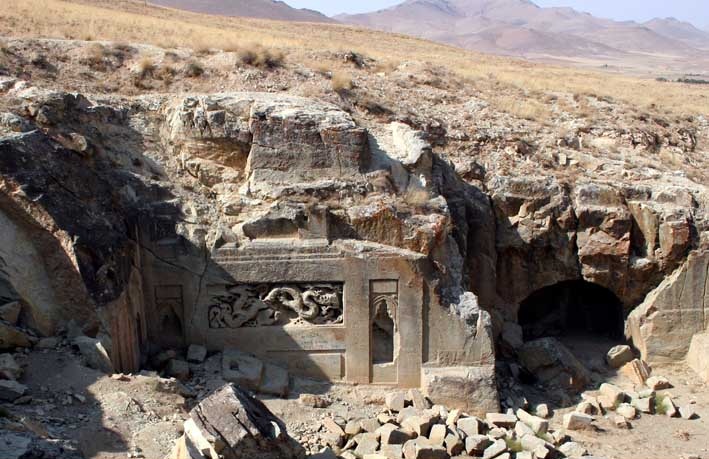 According to one theory, these carvings are the work of Chinese artists commissioned by Ilkhanid ruler Oljeitu (1280 – 1316). Other researchers believe this temple was initially used by the followers of Mithra in Sassanid (226-651 CE) Iran and was later used as a temple by the Ilkhanids before they converted to Islam.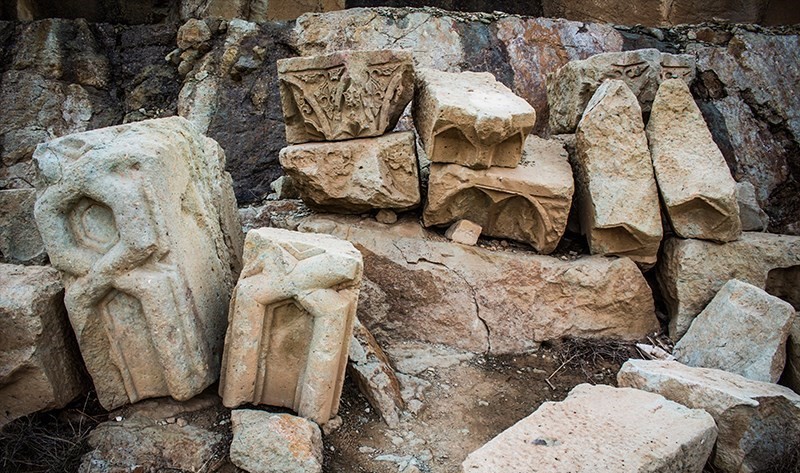
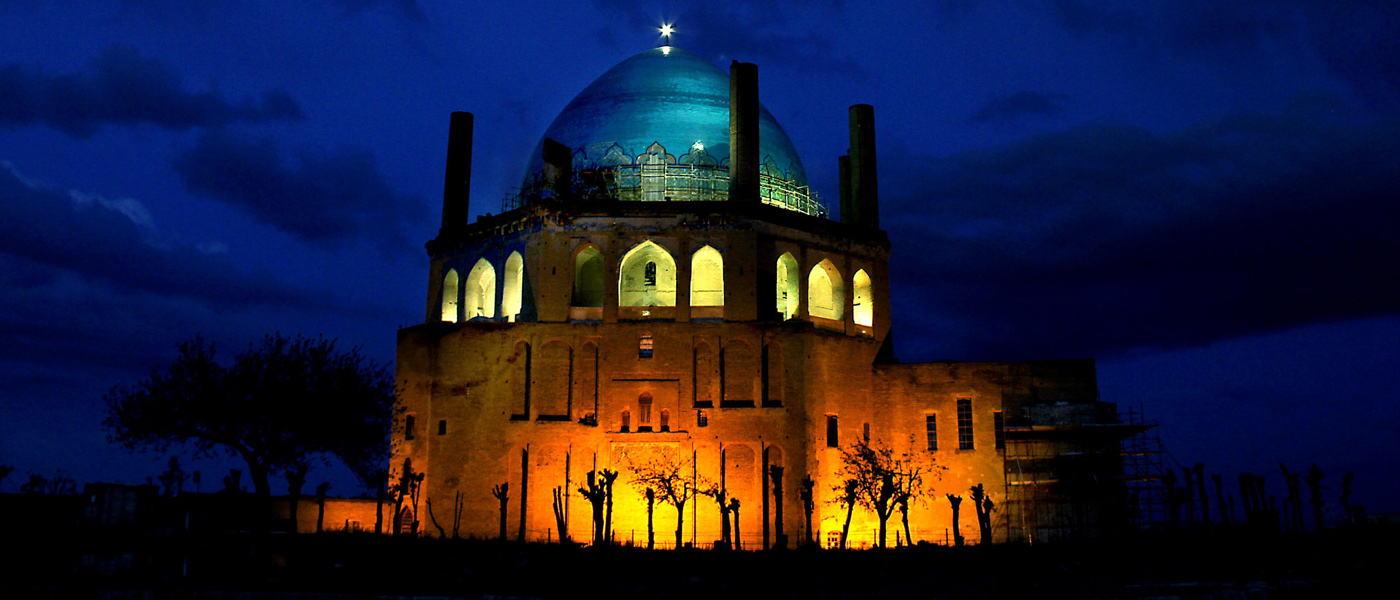 Soltanieh Dome has 8 elevated porticos and about 50 chambers, including an area which is also similar to a chamber. The dome of this construction weighs 200 tons and is situated on pillars, bearing an area of 50 sq.m. each if separated or cut across. This structure is made of a mixture of gypsum and to a lesser proportion limestone. Gonbad Soltanieh is erected in three floors which are defined as follows. The ground floor consists of the eight portions. The first floor comprises of the halls which run throughout this floor.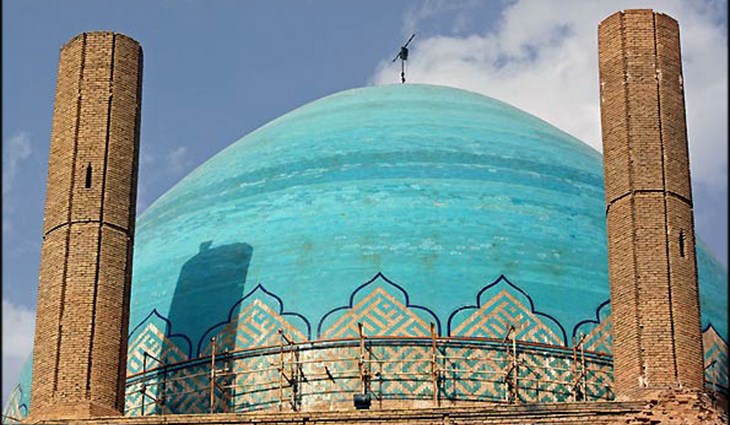
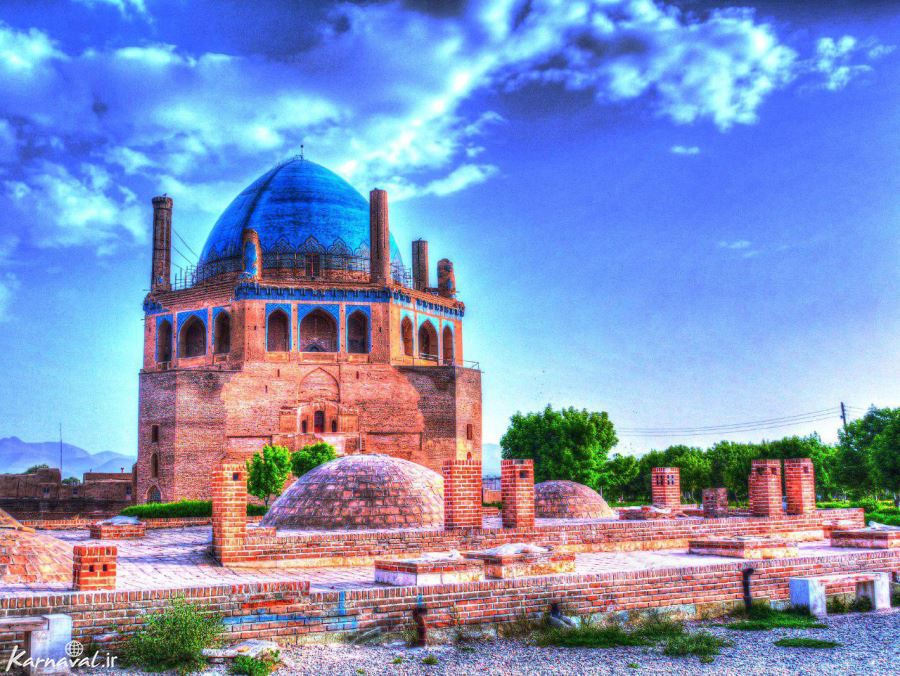 On the upper orsecond floor of this structure engravings can also be observed, one of these inscribed with the (Ayeh 125 Sureh Mobarakeh Baqareh) from the Holy Qoran inscribed in the "Kufic' script.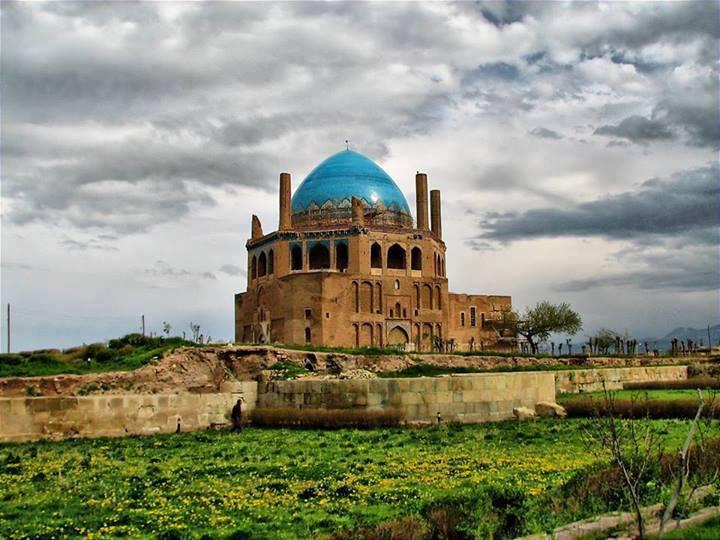
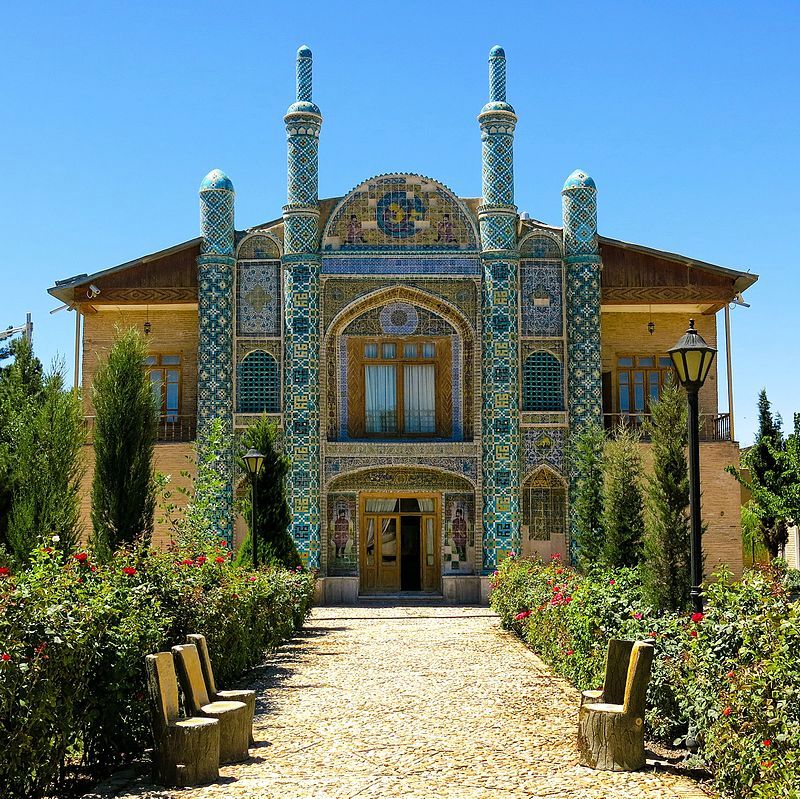
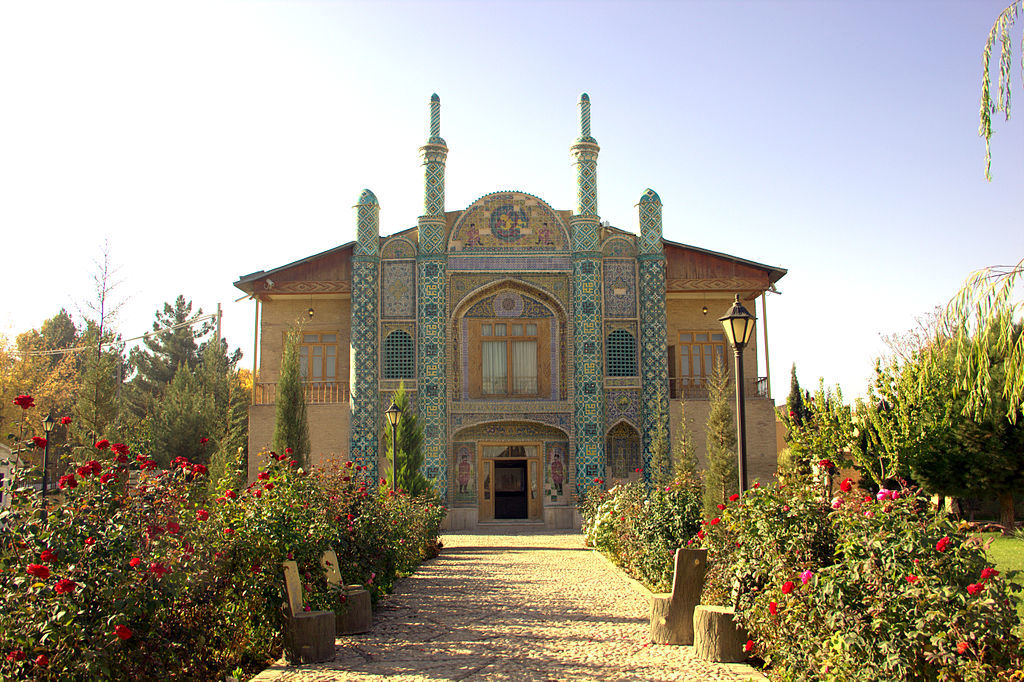 The monument and Sardar Mofakham's mausoleum, situated at Besh-Qardash recreation center, are famous for their unique architecture and for being some of the most complete monuments remaining from the Qajar era. The monument includes four minarets with Prophet Mohammad's (PBUH) name inscribed on each 12 times.
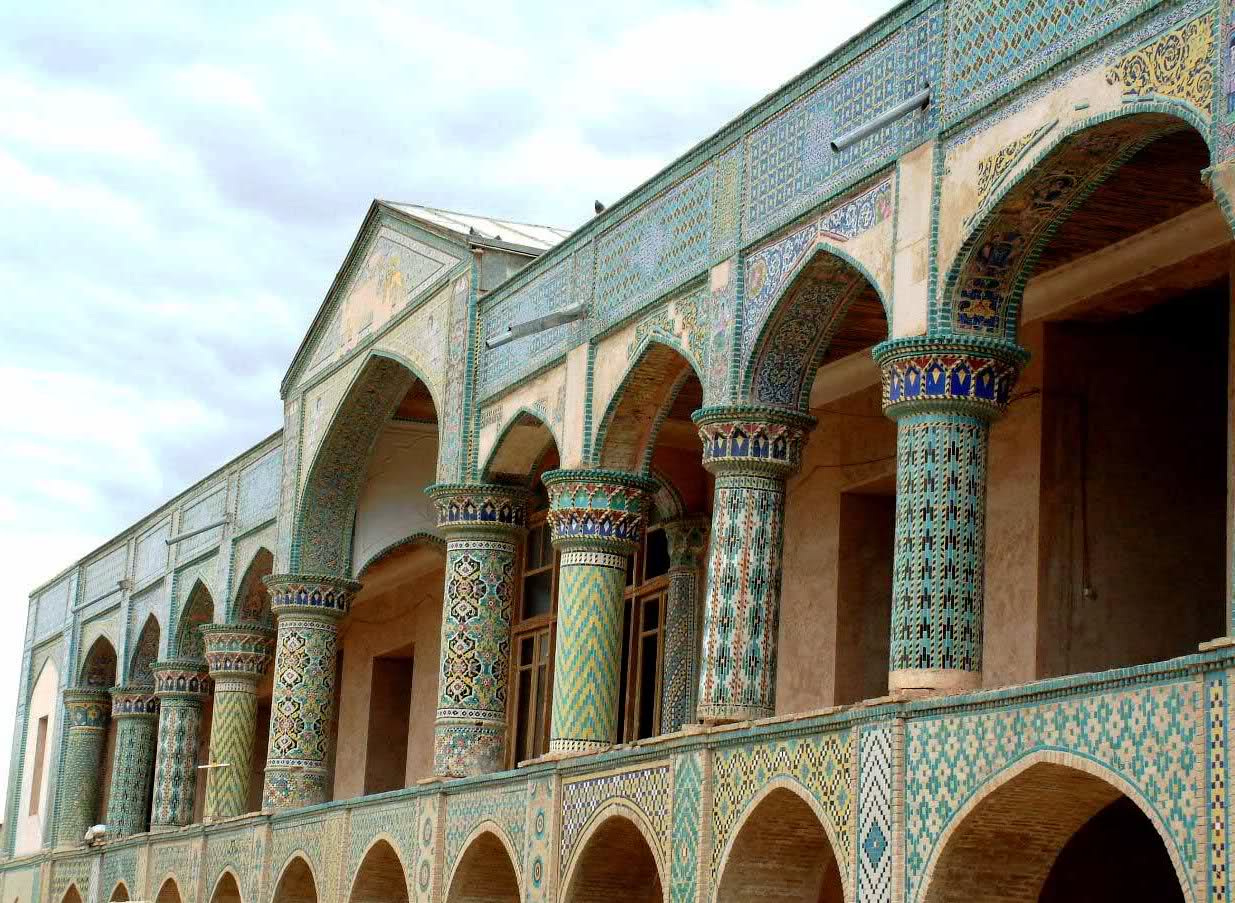 It is made of ceramic tiles in seven different colors and in various motifs, which include flowers and bushes, human and animal figures as well as geometrical forms. The interior of the building is decorated with mirror and plaster works using various techniques. The mirror hall of Sardar Mofakham building has been made into a anthropology museum by the city. Some 13 rare manuscripts written in Nastaliq and broken Nastaliq scripts, which are among the most precious calligraphies of Bojnourd, are showcased in the hall.
 Also on display in the museum are 226 pieces of historical artifacts and 997 coins dating back to the Parthian, Sassanid, Safavid and Qajar periods. The ancient artifacts on display at the mirror hall include various ceramic works, ancient seals, local clothing, weapons and more than 50 photographs of political figures and destroyed monuments of the Qajar era. According to cultural heritage experts, more than 700 ancient monuments have long been identified in Northern Khorassan province out of which 129 have been registered in the World Heritage list.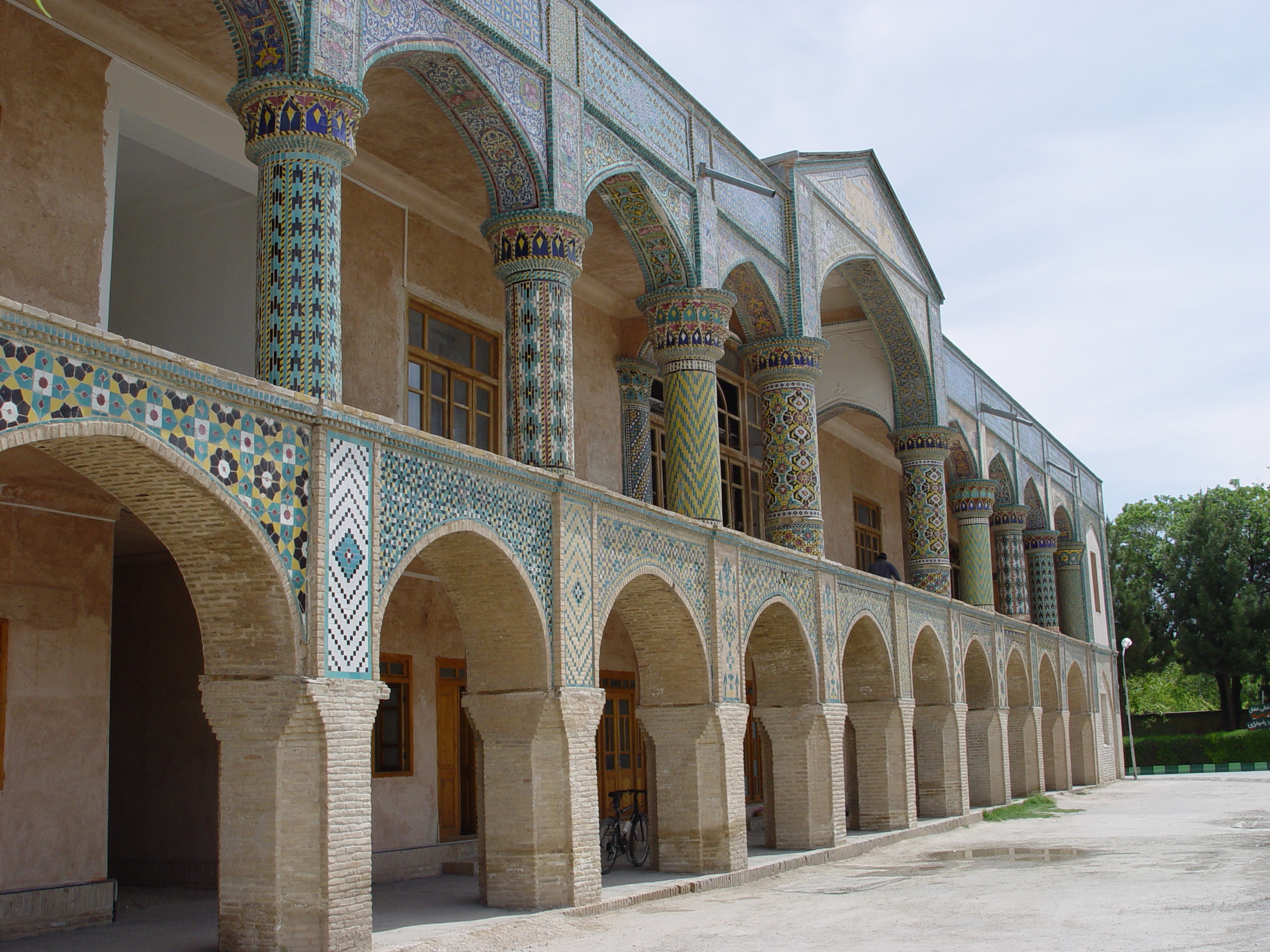
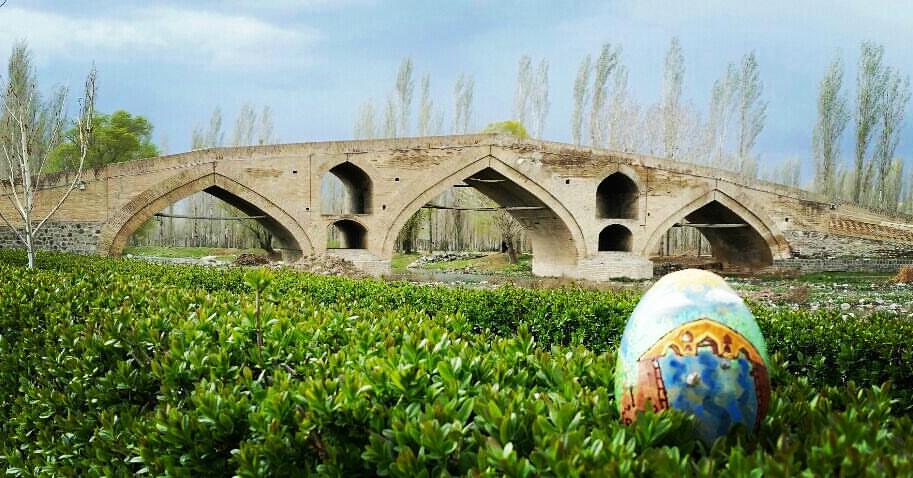 The century-old Mir Baha-ol-Din Bridge or Old Bridge is the oldest and largest standing bridge on the Zanjan River (Zanjan Roud) which was built in the Qajar era (1785-1925) by a merchant of the same name. This brick bridge is 100 meters long and 7 meters wide. The highest point of the bridge is 11 meters from the water. The bridge has a large middle arch with two smaller arches on either side. This bridge was registered as a National Heritage Site in 1977.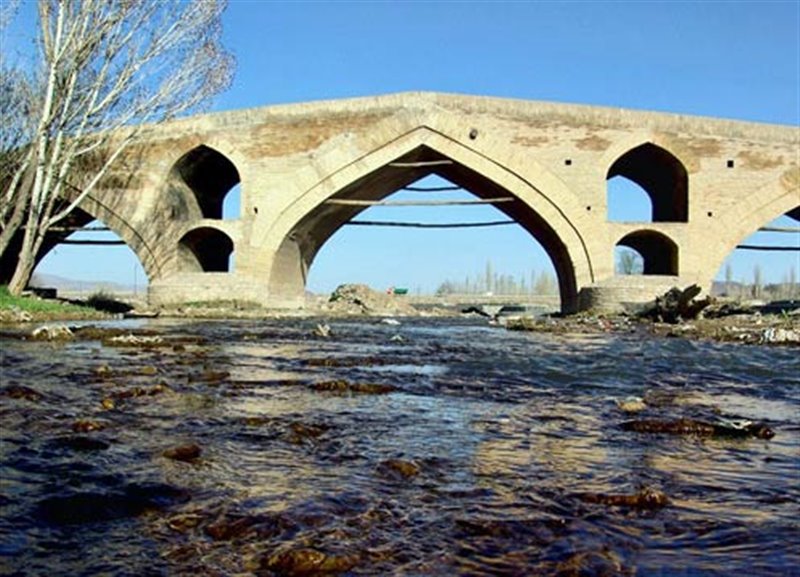
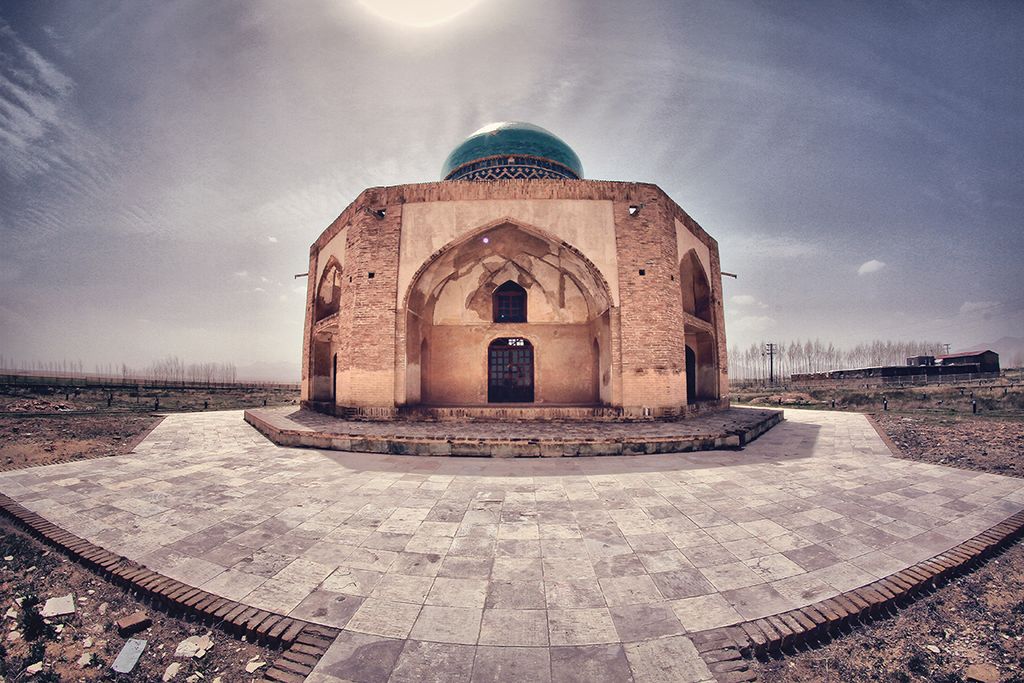 Mullah Hassan Kashi Mausoleum is an octagonal structure with a beautiful dome that sits on a square dome chamber, Located 2.5 kilometers south of the city of Soltaniyeh,. Inscriptions in the mausoleum suggest it was built towards the end of the rule of Safavid King Shah Tahmasp (1514-1576). This double-shell dome has tilework decorations, geometrical motifs and Kufic inscriptions. Brick and turquoise have been used to create parallel line decorations on the dome.
 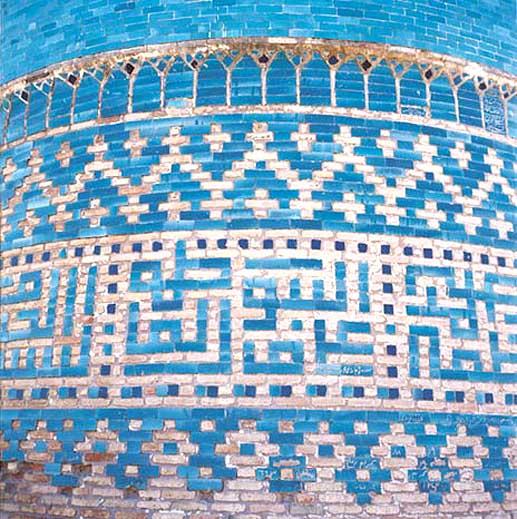 The stucco Muqarnas (ornamented vaulting) decorations inside the structure were added during the reign of Fath-Ali Shah Qajar (1772–1834). The underdome has Nastaleeq inscriptions and documents the names of its Qajar era renovators and architects. The mausoleum was previously enclosed by a stone wall.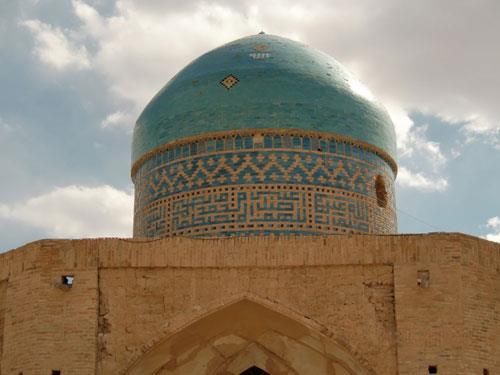
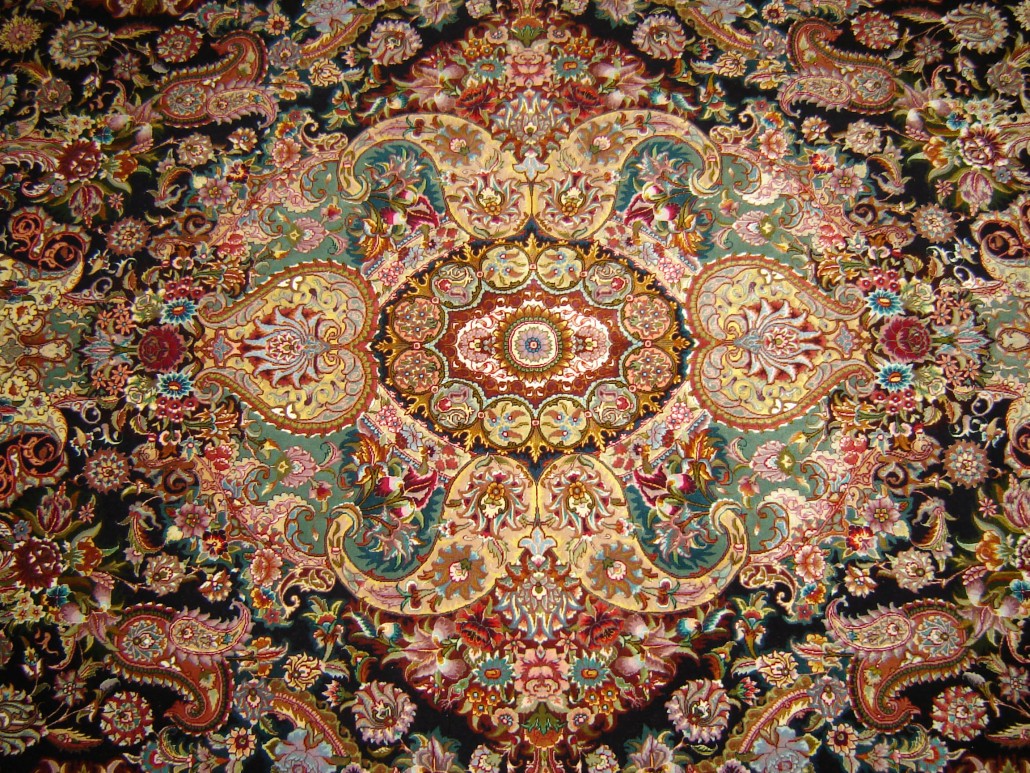 Tabriz, the centre of the most beautiful carpets and the best quality dried nuts of Iran, is situated in the northwest of the country.
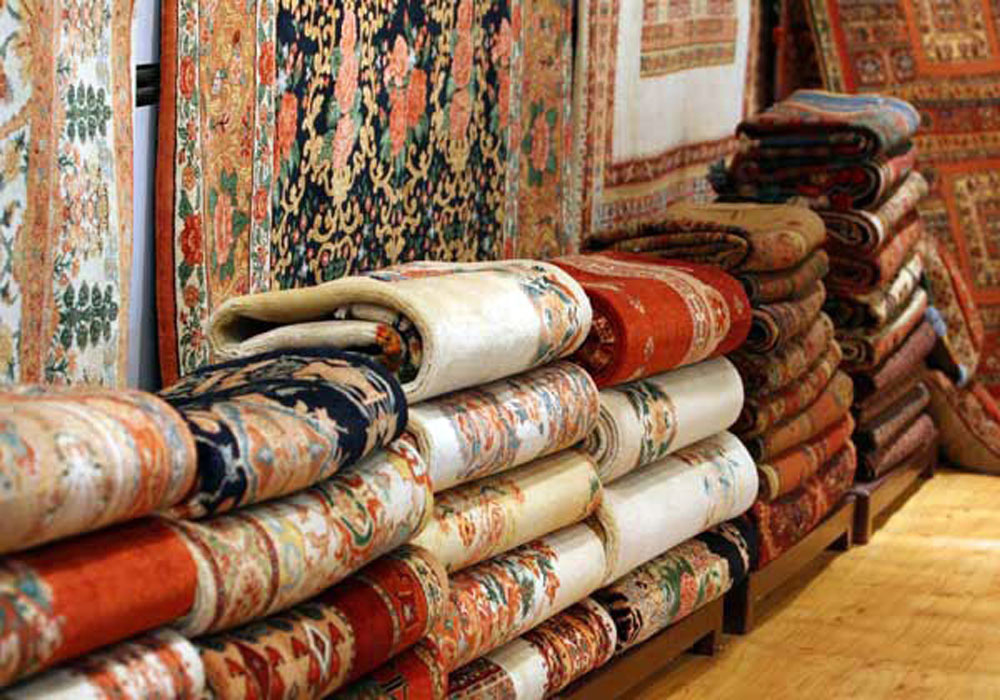 Antique Tabriz rugs are distinguished by their excellent weave and by their remarkable adherence to the classical traditions of antique Tabriz rug design. But they cannot be distinguished by any particular pattern or by their coloration.
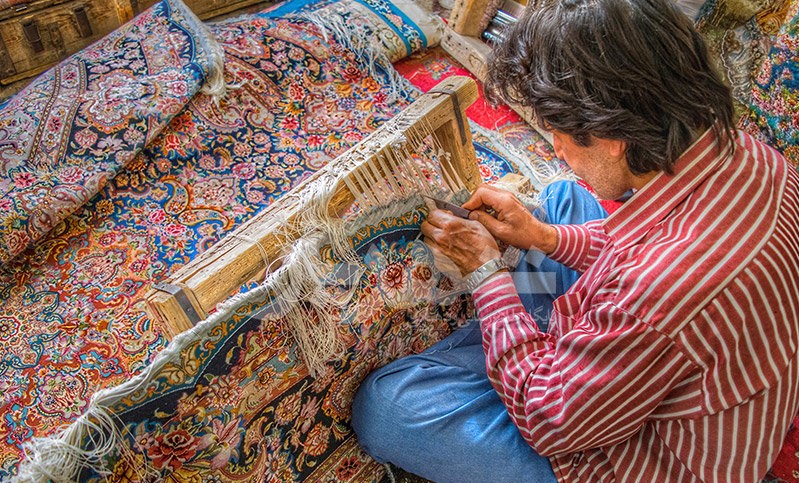 The city of Tabriz, in northwest Iran , was the earliest capital of the Safavid dynasty, and it can claim to have been a center of carpet production longer than any other city in Iran.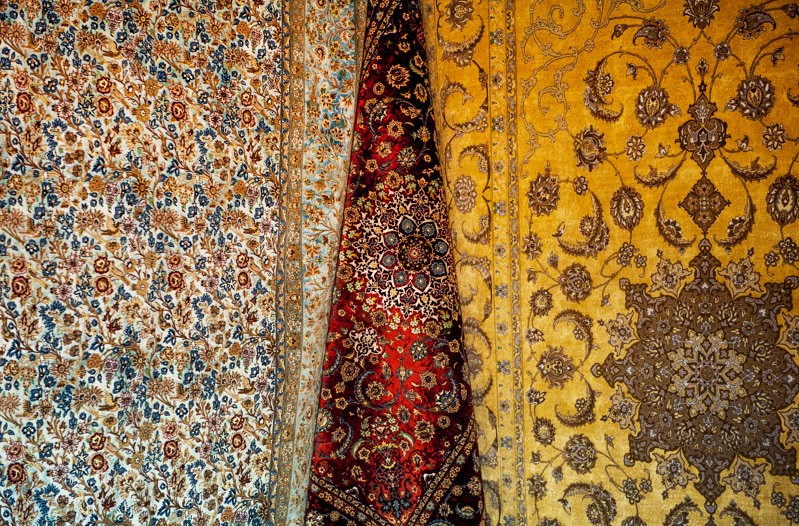
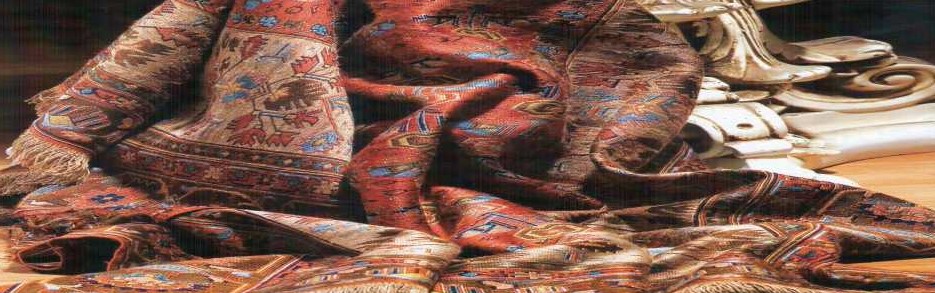
 Parvin Etesami House , daughter of Iran poetess, Home of Parvin Etesami was pertinenet the first Pahlavi period in Tabriz, Abbasi Street, next to the mosque Miraqa, lane Savojbolaghiha, No. 6 located and the effect on ESFAND 28, 1385(19-03-2007) with registration number 18681 has been registered as one of the Iranian nation.
 Parvin Etesami was born in March1906 in Tabriz, she studied at an American Girls College in Iran. Reportedly, she started composing poetry when she was eight years old. She is considered the greatest Iranian poetess ever.
 Although she had a short life, she became famous after her works were published. She died in 1941 by typhus at the age of 35, and was buried in Qom, Iran. Parvin is considered the greatest Persian poetess of the Persian classical style. Loneliness and seclusion from social activities - the lot of almost all Iranian women in her day - added to the sad experiences of a sensitive and tender soul and made her the most sincere voice of cruelty of the rulers and wealthy landlords.
 She knew of the corruption of the leading authorities in the judiciary and in the clergy. Her work, about 210 poems, reflects the reality of life in her day and offers moral solutions.
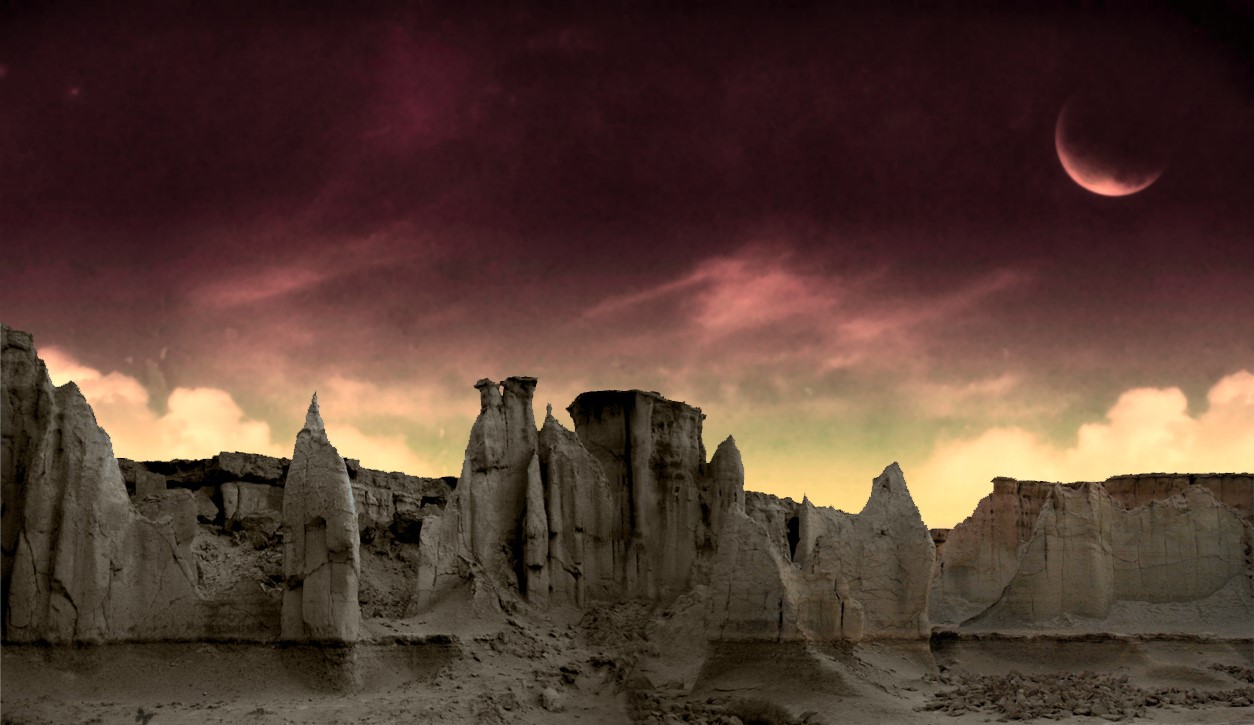 Stars Valley is a natural consequence of wind erosion and rainstorm washing out from the Cenozoic period (2 million years ago) up to now. The valley is located in Berkeh Khalaf Village, about 15 kilometers distance from Qeshm City, Qeshm Island in the Persian Gulf. It is a magnificent gallery of natural features, in a depth of 7 to 15 meters below the original plateau, including columns, sharp cones, arches and edges all made from sand and natural cement. Based on locals' beliefs, the valley was formed after the falling of a star many centuries ago; the name of valley is a reference to that incident. Due to the specific shape and arrangement of columns, wind made noise is audible throughout the valley, inducing a mysterious mood. The latter makes locals to believe in ghost traffic through the valley; they avoid entering to the valley during the evening and night.
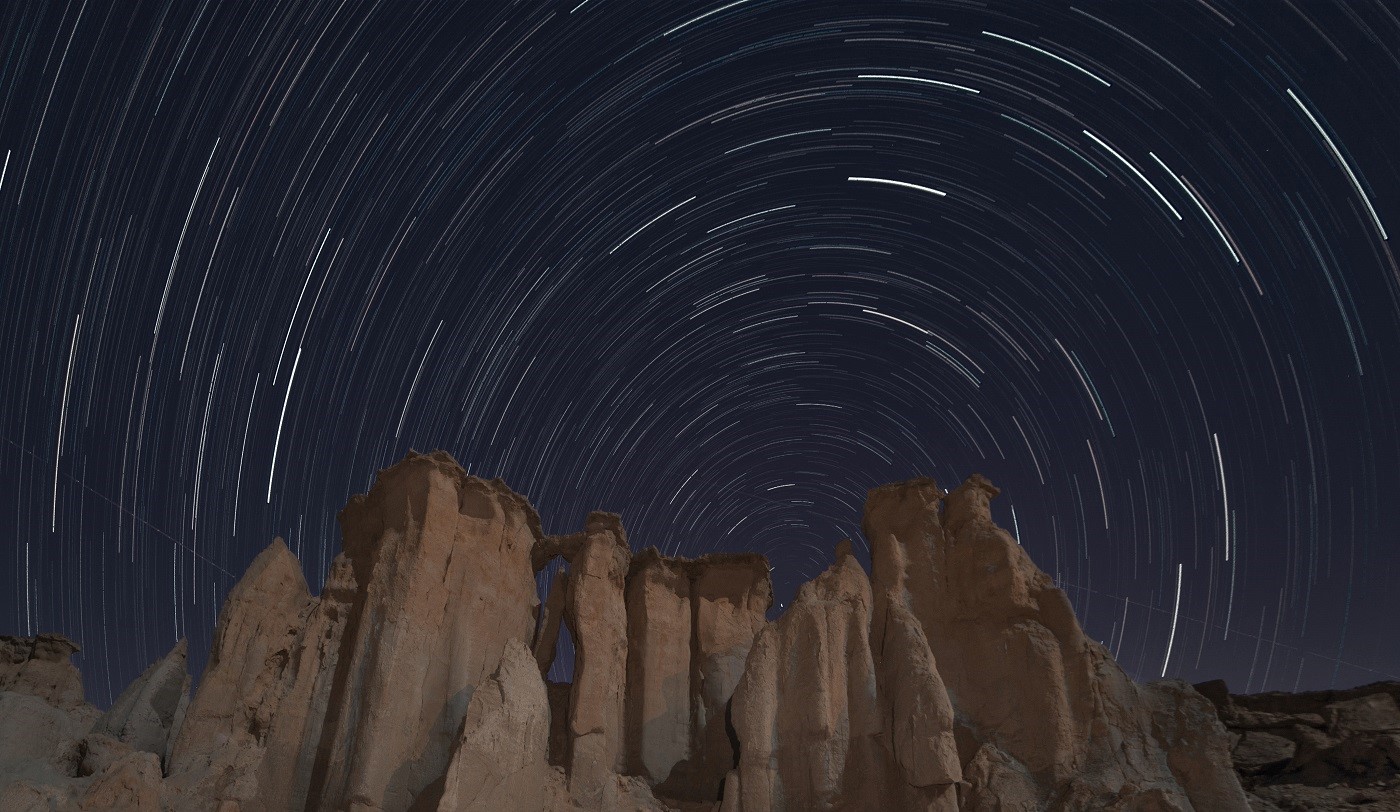 Stars Valley site is made up of soft sediment layers, erosion mechanisms and weathering. On the other hand, emergence of masses like needle columns, vertical walls, bridges, and various cavities have added to its natural attraction. As a result of the softness of the various layers forming these natural shapes, it is not unheard of for the overall shape of the area to slightly vary after rainfall.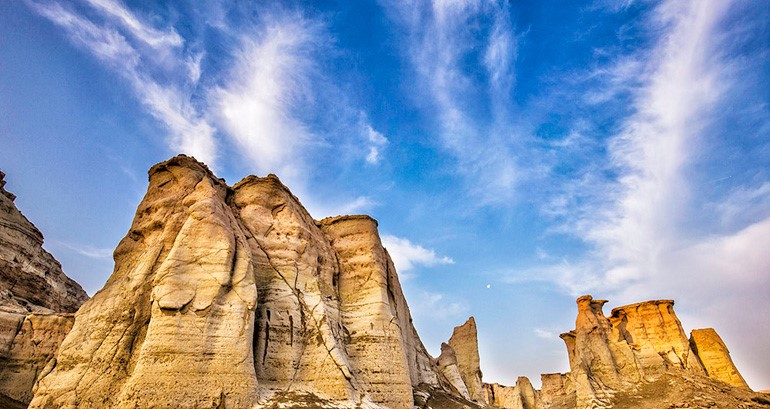
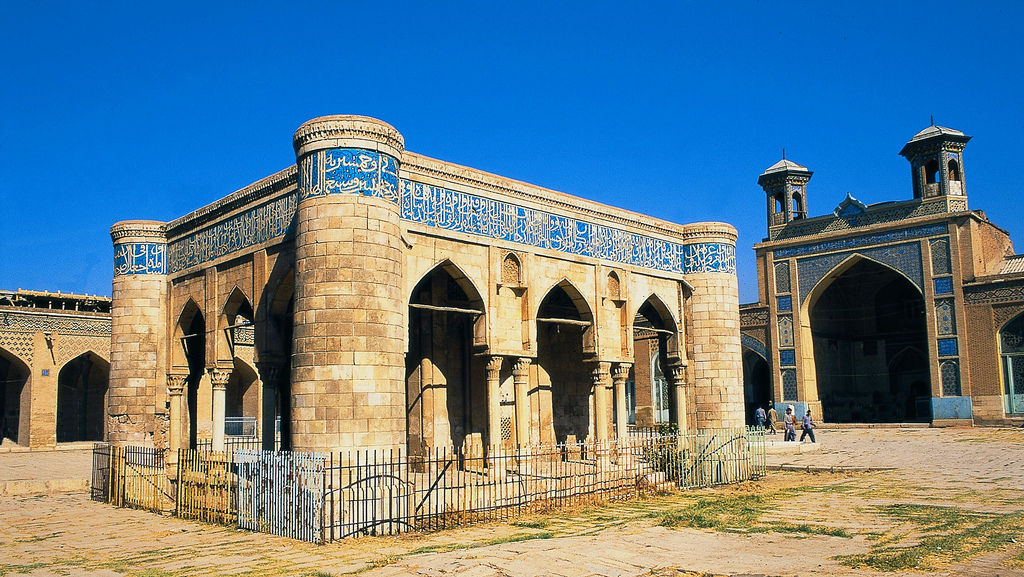
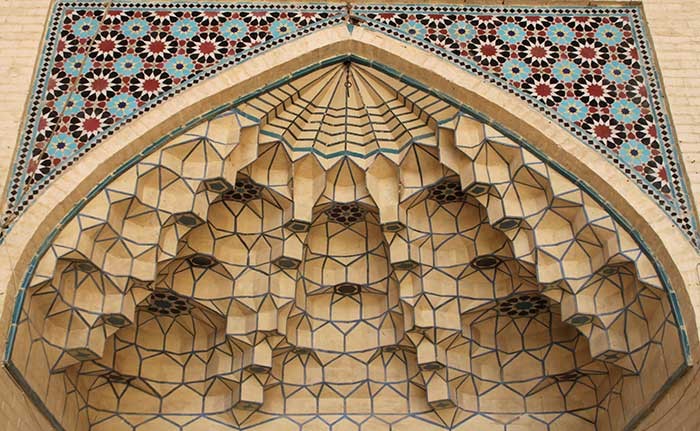
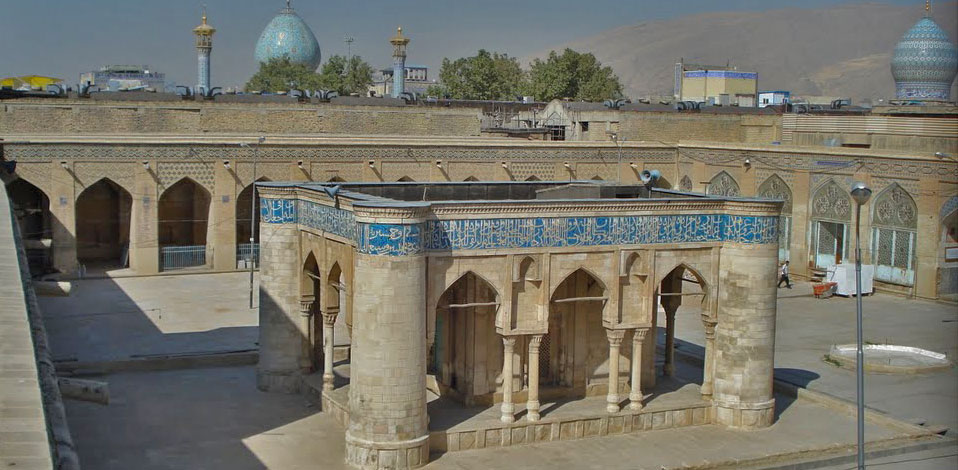
 Jameh Mosque is one of the historical monuments of Tabriz. Its date of construction is not known.Since its foundation, it has been surrounded by a market. The most ancient part of this mosque is its vast roofed area. It has an arch and domes, based on octagonal brick pillars, covered with delicate and artistic plasterwork of the 5th century AH (after hegira).


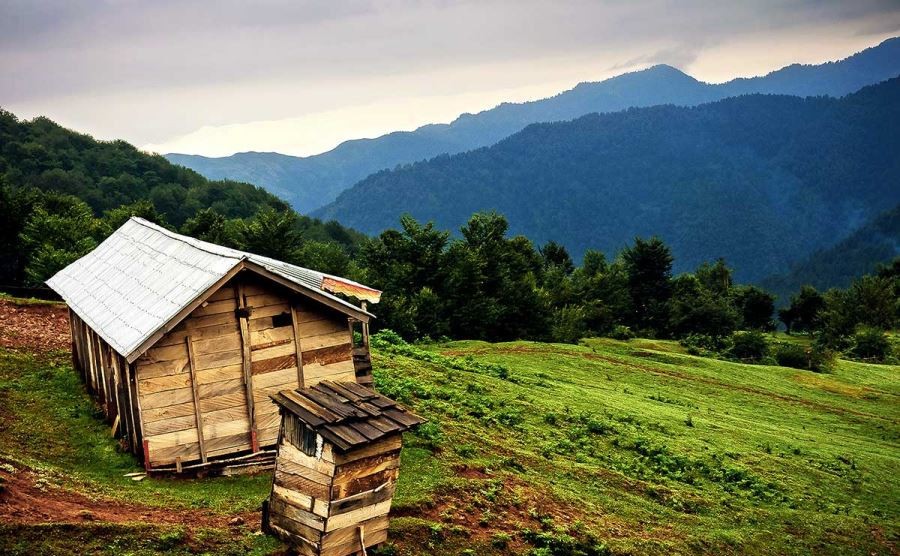
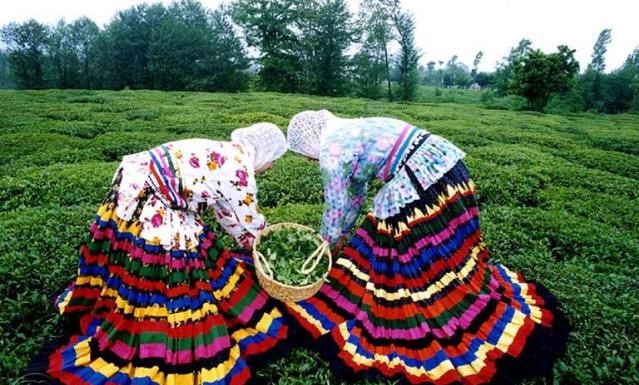

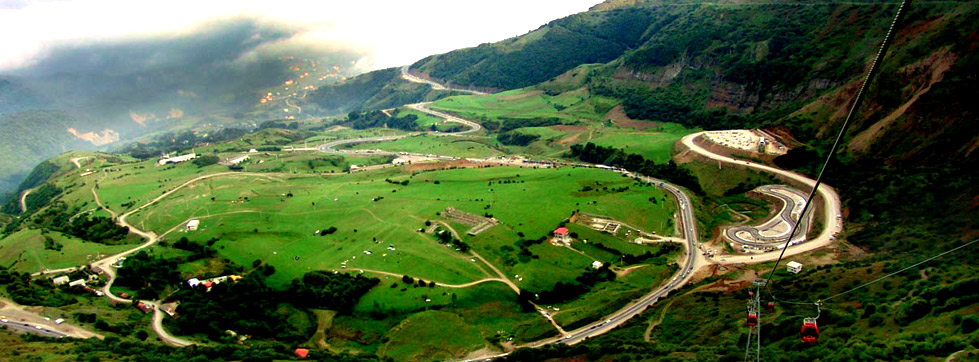 Heyran is a ghat in the Astara area in the Gilan province and is made up of 3 parts: lower, middle and upper Heyran. The most significant touristic area near this village is the Heyran Col (Per: Gardane-Heyran) which is located in the Astara-Ardebil road.
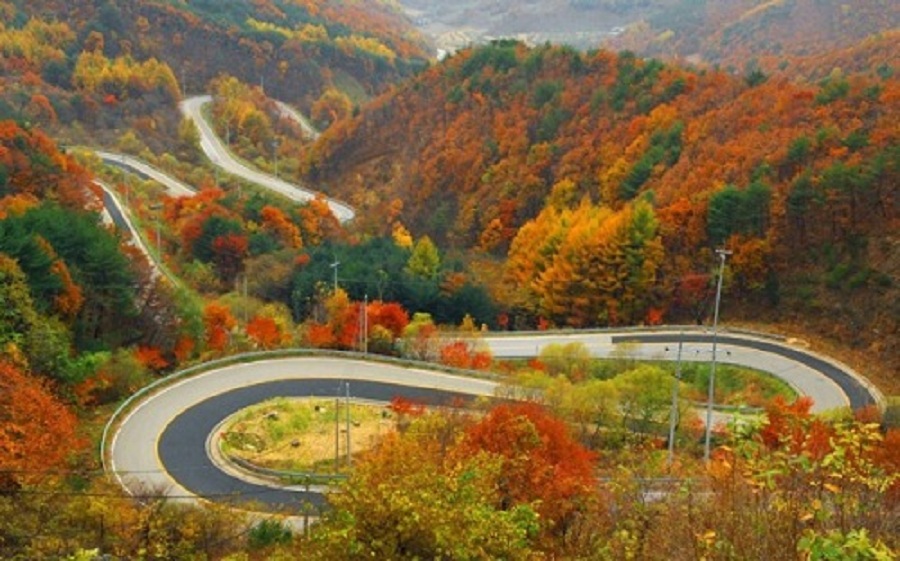 The word Heyran (En: surprised) is really a good name for the village because the weather and the nature really surprises every tourist. When you visit Heyran make sure to head to traditional restaurants and also do not forget to buy some of the natural honey.
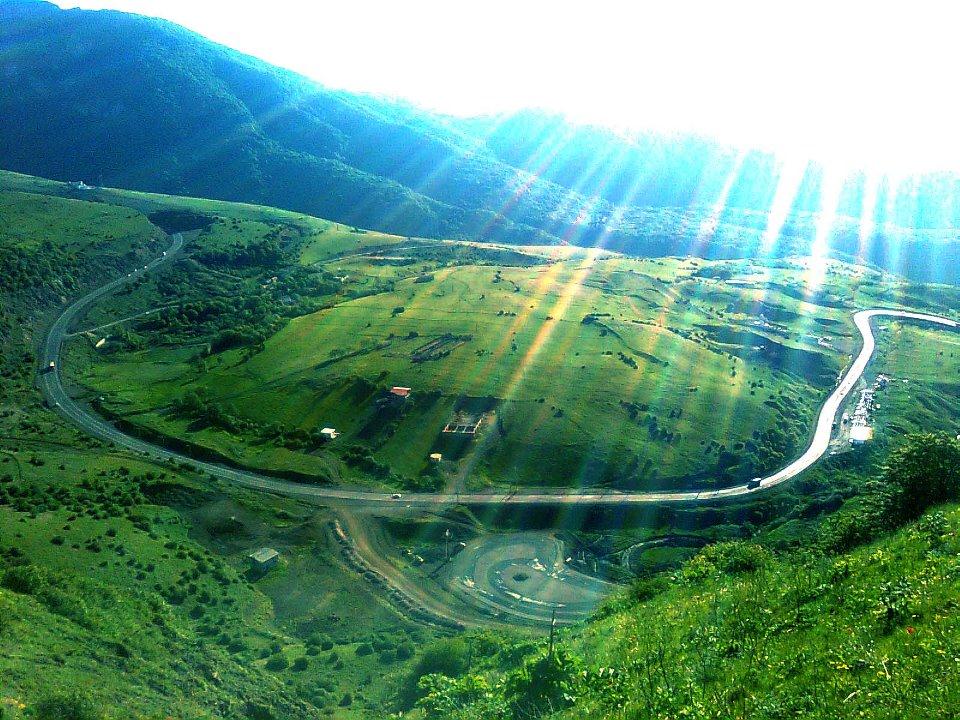 The Col, 1500 meters above the sea level, is almost always foggy (The fog caused by the Caspian Sea). It neighbors High Mountains and a valley from which “Astarachay” river passes in the Iran-Azerbaijan border.
 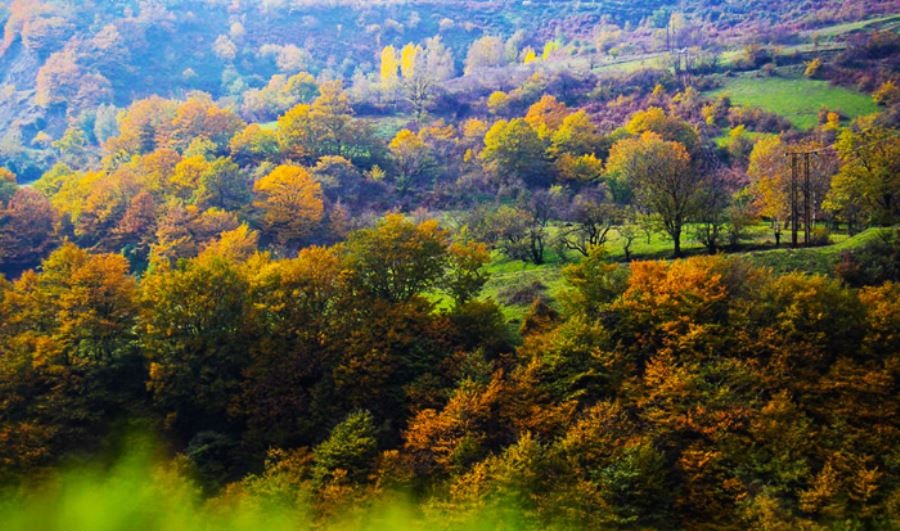 The Heyran also has other touristic and recreational facilities including the Heyran Telecabin which was established in 2011.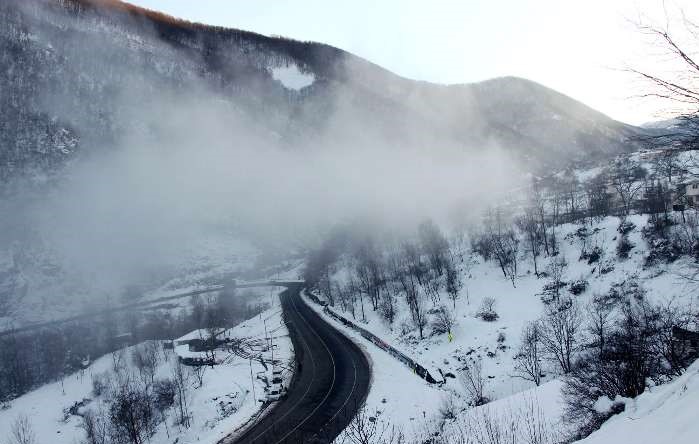
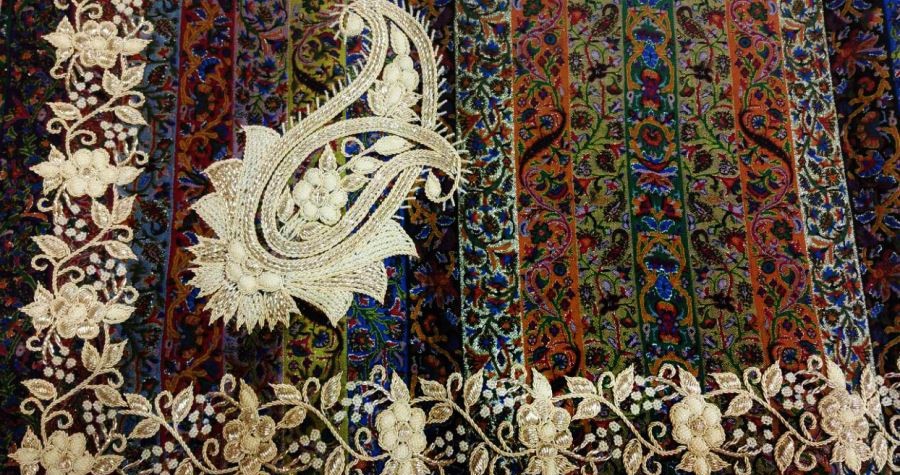 Termeh is a type of Iranian handwoven cloth, produced primarily in the Yazd province. Termeh has been admired throughout history: Greek historians commented on the beauty of Persian weavings in the Achaemenian (532 B.C.), Ashkani (222 B.C.) and Sasanidae (226–641 A.D.) periods and the famous Chinese tourist Hoang Tesang admired Termeh.Weaving Termeh requires natural silk and good wool with tall fibers. Termeh is woven by an expert with the assistance of a worker called "Goushvareh-kesh". Weaving Termeh is a sensitive, careful, and time-consuming process; a good weaver can produce only 25 to 30 centimetres (10 to 12 in) in a day. The background colors used in Termeh are jujube red, light red, green, orange and black.
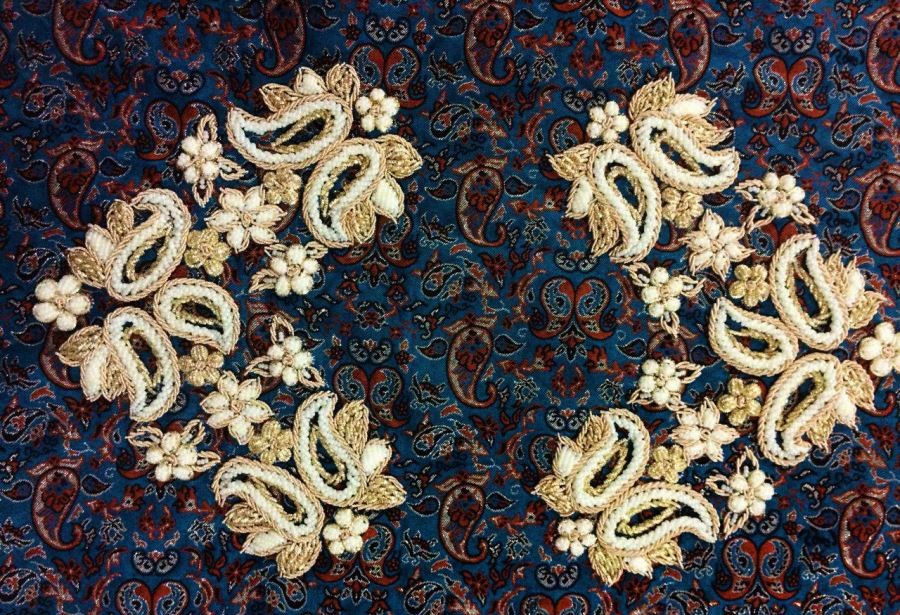 Owing to the difficulty of producing Termeh and the advent of mechanized weaving, few Iranian factories still produce traditionally woven Termeh. Both Yazd and neighbouring Kerman regions have the reputation of producing quality termeh. As is the case with Persian carpets, traditional Yazdi, as well as Kermani termeh, have a reputation of being of superior quality and workmanship.
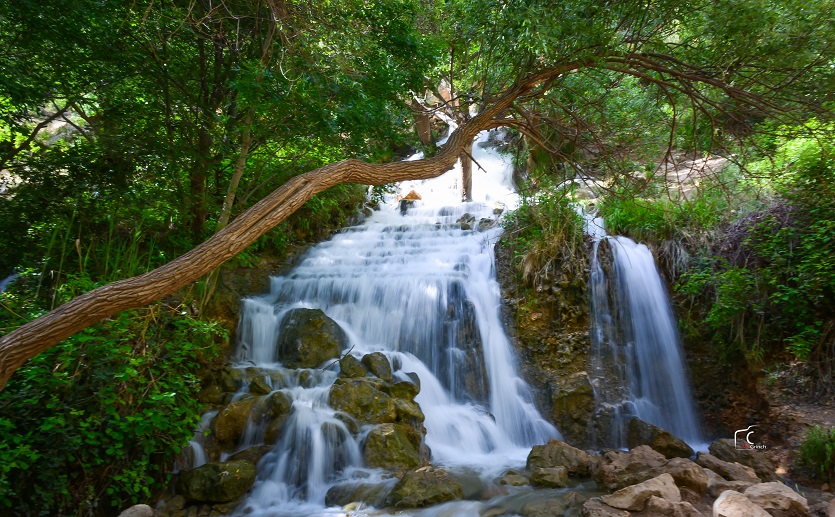 Behesht Gomshode (pronounced be'he'sht e gom shode') meaning the lost heaven or paradise, is a type of forest (jungle) in Kamfiruz, Fars province. It is a very beautiful forest it is full of beautiful trees and flowers and waterfalls. It is famed for green nature and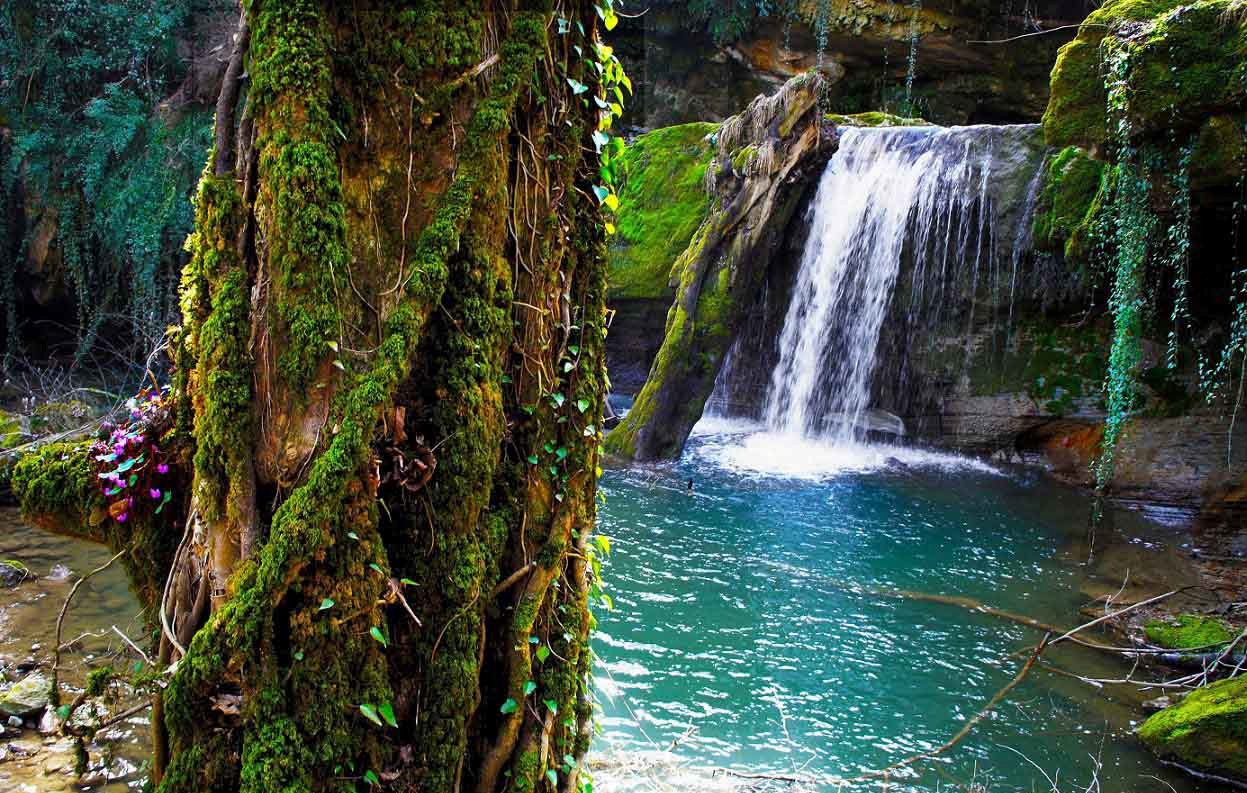
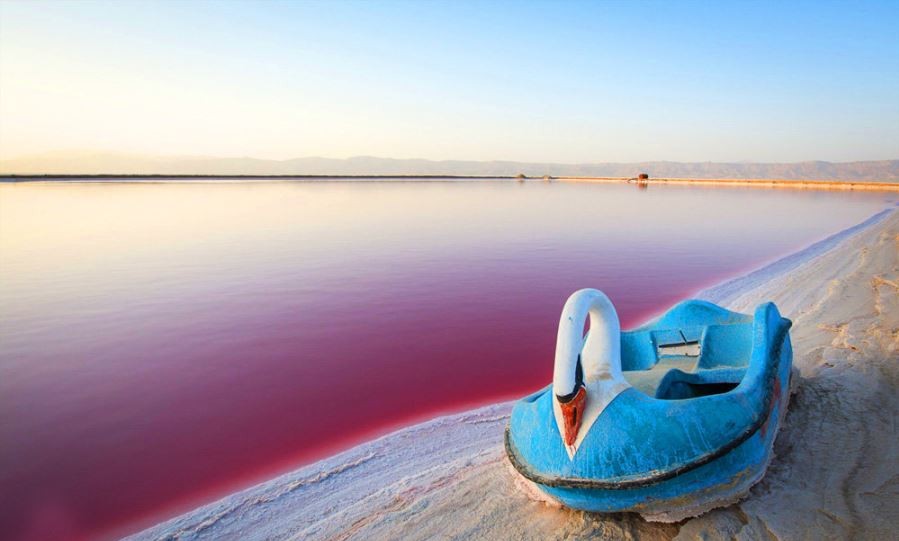 Maharloo Lake also known as Daryache-ye-Namak is a seasonal salt lake in the highlands of the area of Shiraz, Iran. 27.0 km (16.8 mi) southeast of Shiraz, the lake salt is rich in potassium and other salts.Rudkhane-ye-Khoshk, a seasonal river flowing through the city of Shiraz, brings most of the flood water to the lake bed during intensive precipitation events. The lake water typically evaporates by the end of summer and exposes the white lake bed.
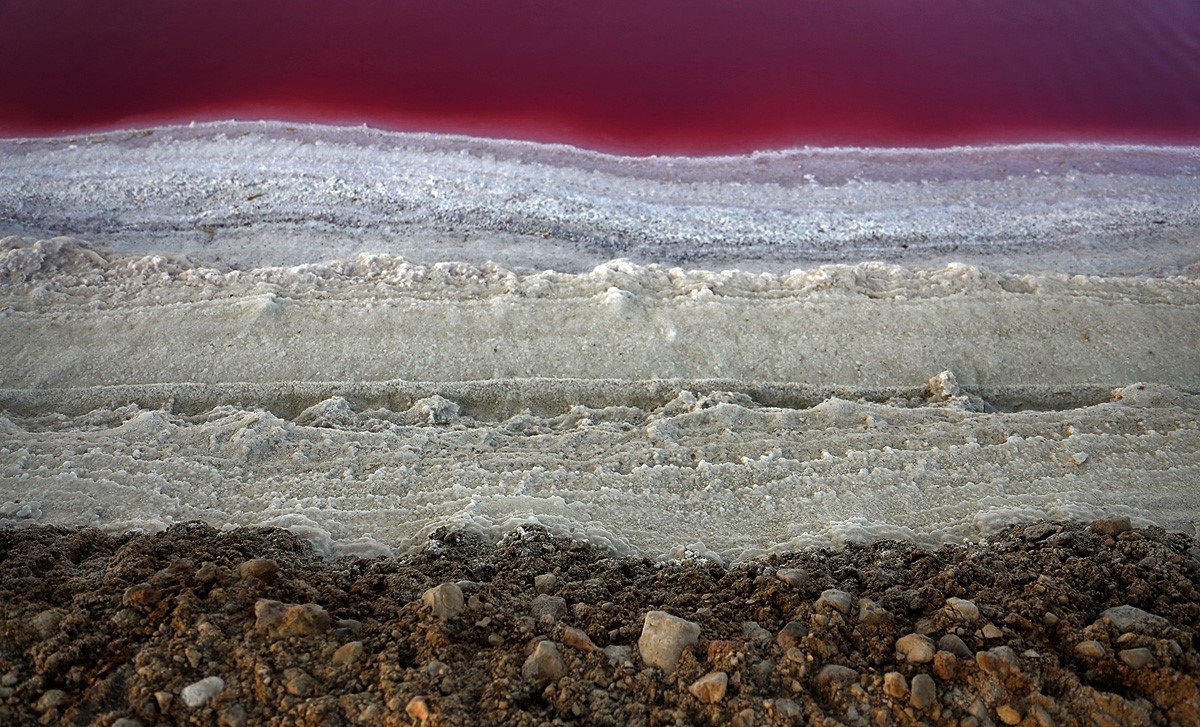 By mid-summer and due to high evaporation rates and salt concentrations, the lake water turns pinkish red as a result of the red tide within the lake.The pink color is due to the presence of algae that produces carotenoids (organic pigments), such as Dunaliella salina - a type of halophile green micro-algae especially found in sea salt fields.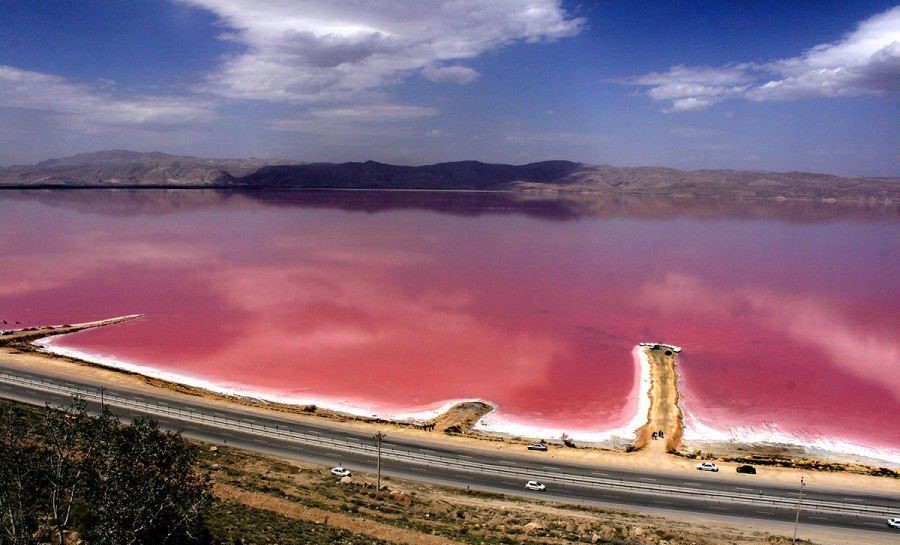
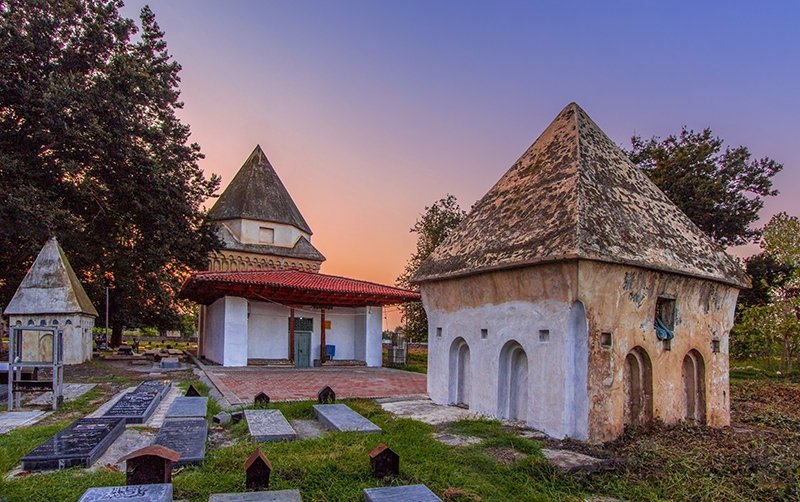 Heshtel Towers is a complex consisting of five tomb towers, the largest of which belongs to Commander Mir Qavam-ed Din Marashi of the Marashi dynasty (1359 to 1596) of Mazandaran who lost his life in a battle against Timur the Lame (1336- 1405). The tetrahedronal tomb is attached to a mosque.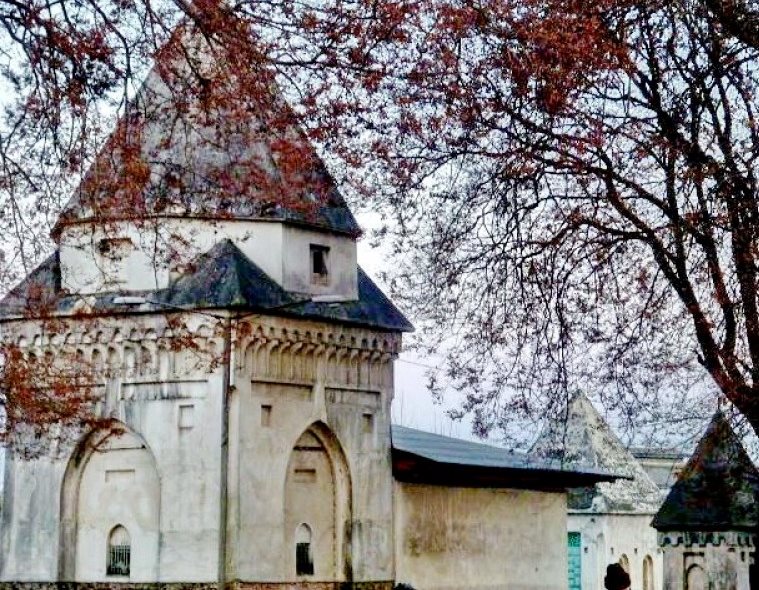
 Hi dear friends. I am NAVID TAHMASEBI (English instructor & Inbound manager of Tavrizh parvaz travel & tourism agency)and I was Born in Tabriz. This weblog is created to introduce IRAN for passengers from all around the World.