The Church of Saint Stephanos_ East Azerbaijan
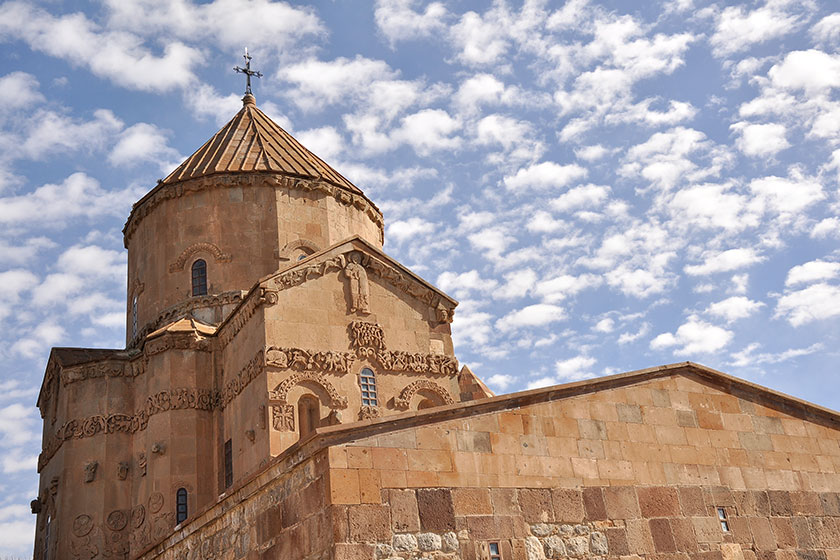 The Church of Saint Stephanos located in East Azerbaijan was built in the 9th century and is among a handful of magnificent churches in Iran. The Church's architectural style is a mixture of Urartan, Parthian, Greek, and Roman styles. With respect to the history of the construction of this building, which is considered one of the architectural masterpieces of north-western Iran, there are a number of differing views.
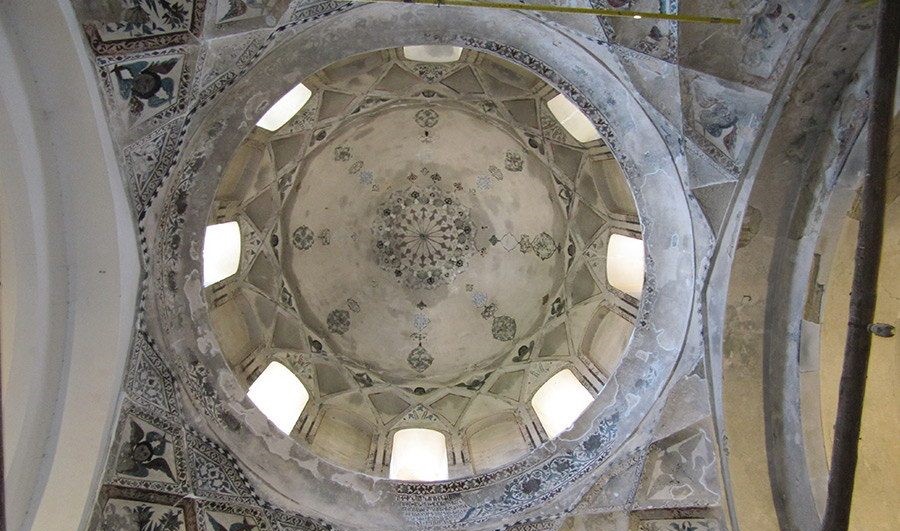 However, historic evidence, the type of construction, the building materials, the ornamentation, the philosophy behind the ornamentation, and the circumstances that allowed for the creation of this Church all attest to the fact that it was constructed during the tenth to twelfth centuries AD. The Church is located in the abandoned village of Dare Sham. Prior to 1971 it was accessible only by a dirt path, however, a road was constructed providing access by automobile.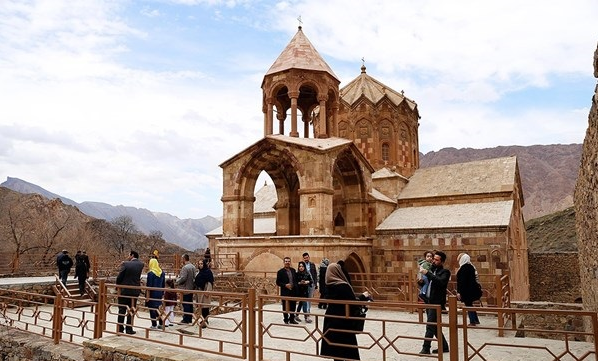
In 2005, a team of Iran's Cultural Heritage and Tourism Organization (ICHTO) who were studying documents from Iranian churches for international registration, discovered some bones in a box in the Church. It is believed that the box consists of remains of John, the Baptist. Jean Baptiste Tavernier, a French traveler, recalls he saw the box when he was passing Saint Stephanos Church in 16th-early 17th century where he was told that the box belonged to one of the 12 Apostles of Christ.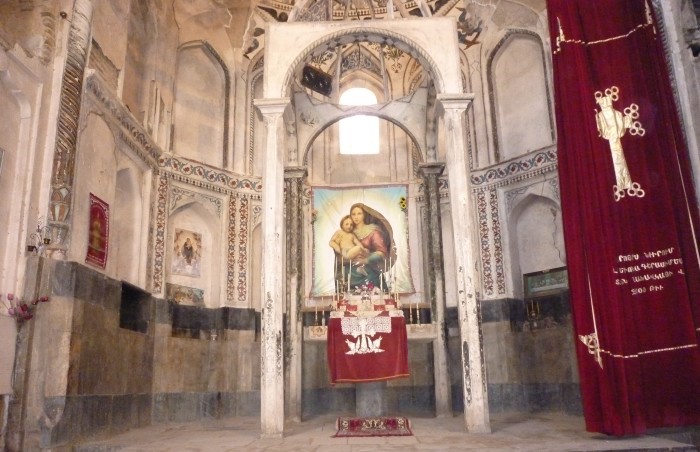
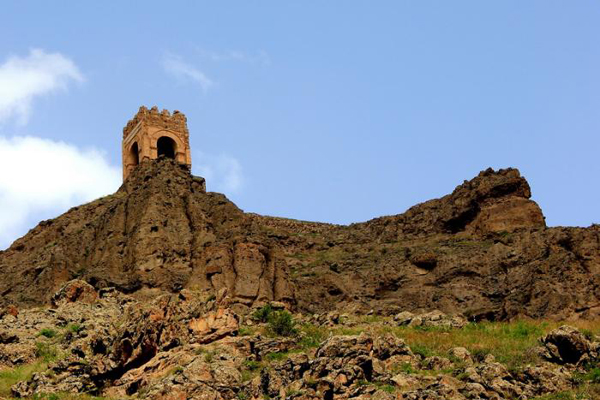 Zahhak Castle (or citadel) is a castle in East Azerbaijan Province, Iran. It is named after Zahhak, a figure in Persian mythology. According to various experts, it was inhabited from the second millennia BC until the Timurid era. It was first excavated in the 1800s by British archeologists. Iran's Cultural Heritage Organization has been studying the structure in 6 phases.
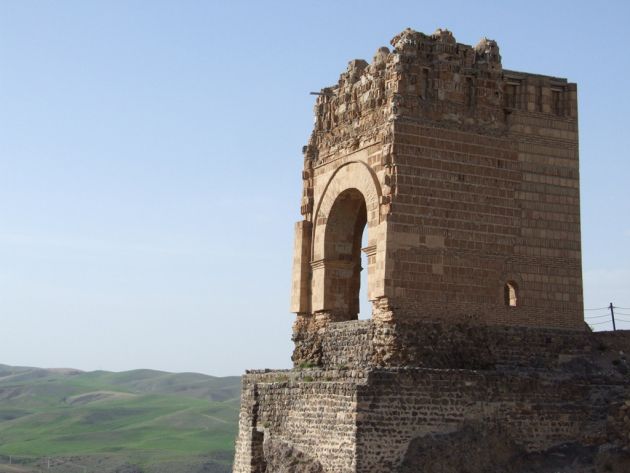 The castle was first discovered by a British army officer in 1830. He noticed that the ruins were quite ancient, dating back at least two thousand years. In recent years, Zahhak Castle has been unearthed slowly by archaeologists who have discovered that different parts of the castle were built in later periods. During this time, Zoroastrianism was the religion of the ruling kings, who likely used part of the castle for a fire temple.
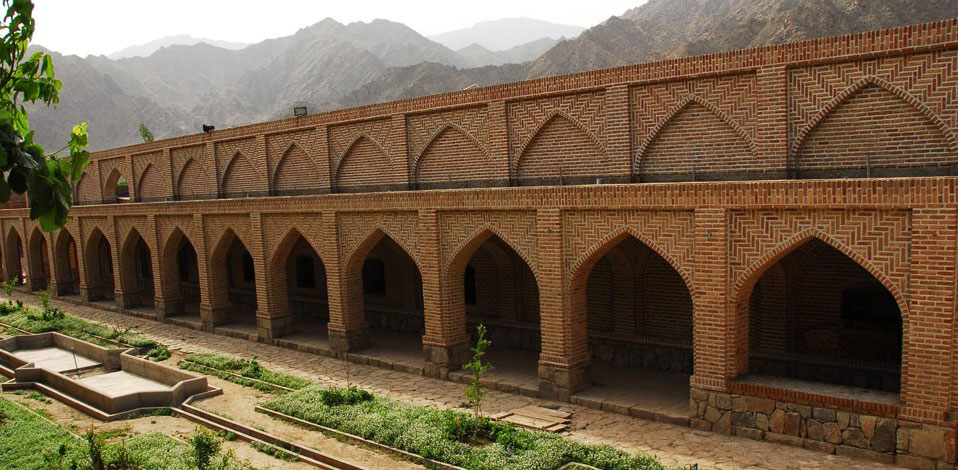 The Kordasht Bath is a historical structure located in the
 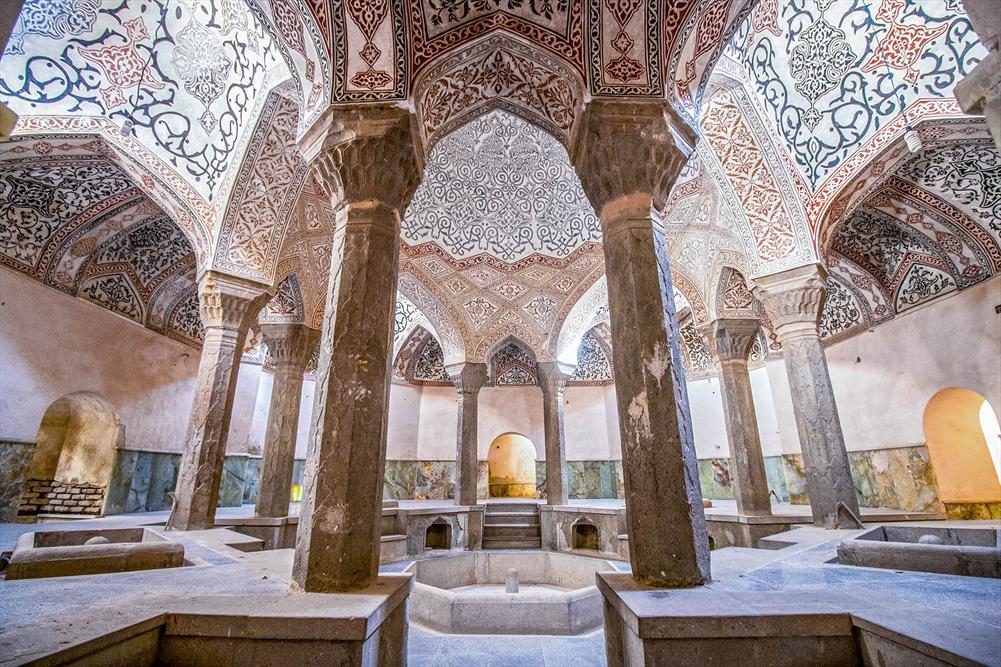 The Bath was constructed in the midst of a large garden during the Safavid Era during the reign of Shah Abbas. It was built upon Shah Abbas’s orders and originally it was considered a royal bath for use only by royalty. Commissioned by Agha Mohammad Khan Qajar, it underwent some renovation during the Qajar Era which transformed it into its current form. Its
 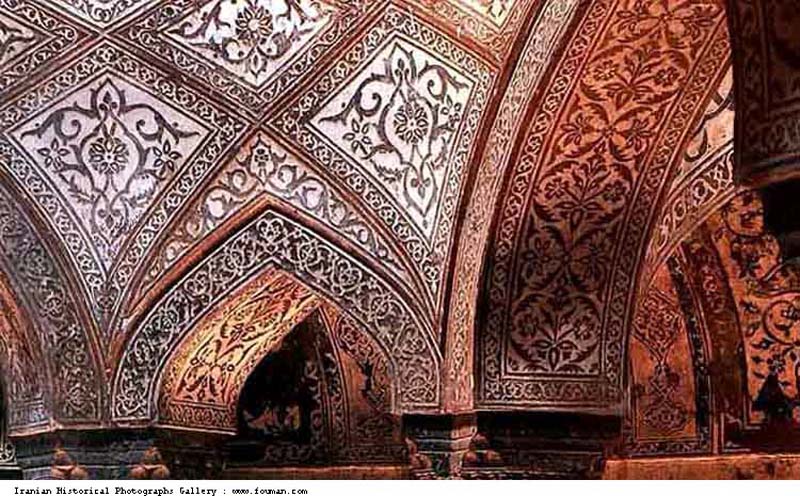 Throughout the years not much maintenance was carried out for the Bath and it ultimately went through natural deterioration. Such was the level of such deterioration that people stopped using the facility and it in effect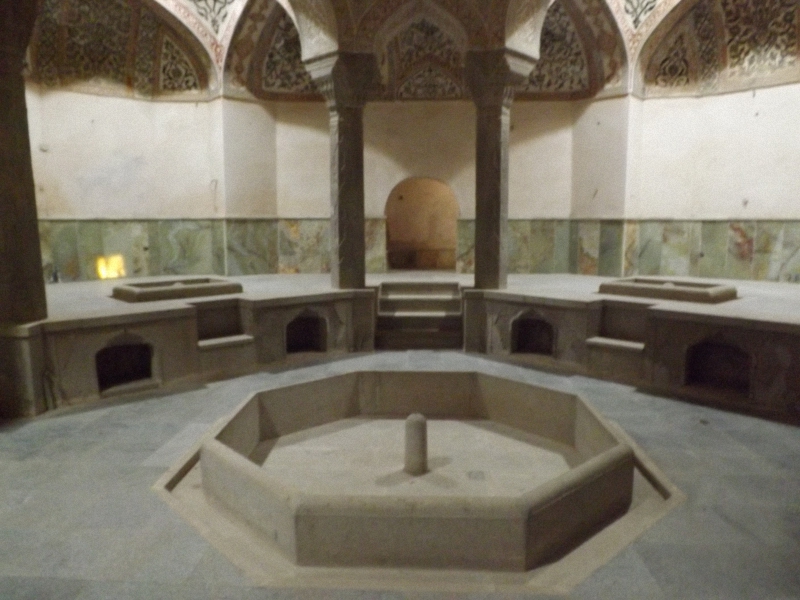
 Hi dear friends. I am NAVID TAHMASEBI (English instructor & Inbound manager of Tavrizh parvaz travel & tourism agency)and I was Born in Tabriz. This weblog is created to introduce IRAN for passengers from all around the World.