The ancient Jame’ Atiq Mosque_Shiraz
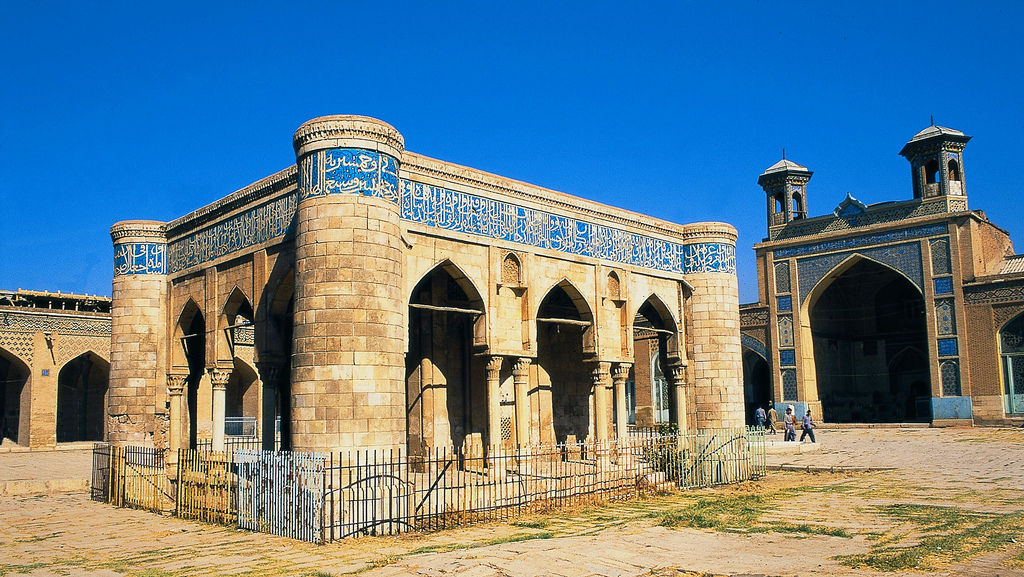 The ancient Jame’ Atiq Mosque of Shiraz is one of the oldest mosques in Iran and a relic of the days of the Saffarid Amr bin Leys’s reign. It is a structure referred to many times in the writings of travelers such as the Bin Battuta and Madame Dieulafoy.The Jame’ Mosque used to have six portals in different directions and numerous magnificent Shabestans or prayer halls and chambers, some of which gradually fell into ruin and are no longer standing.
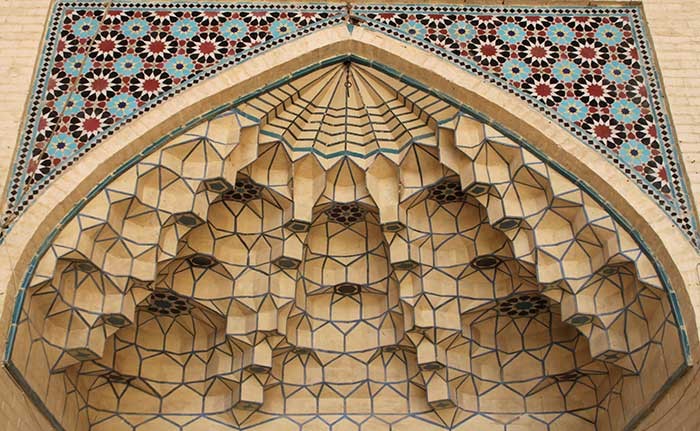
Formerly the Sahn or the courtyard of the mosque was carpeted with marble, and there were stone basins in the vestibules wherein those entering the mosque would wash their feet before proceeding barefoot onto the courtyard. The most important portal of the mosque lies on the north side, and is known as The twelve Imams.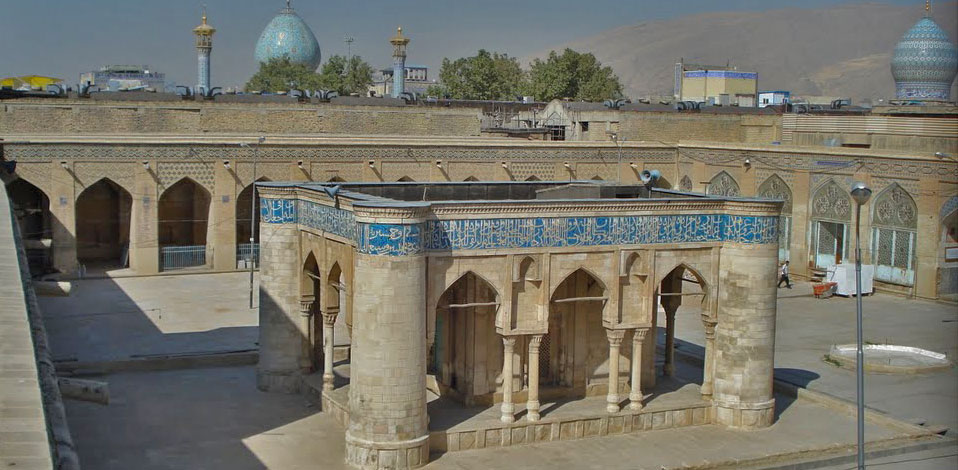
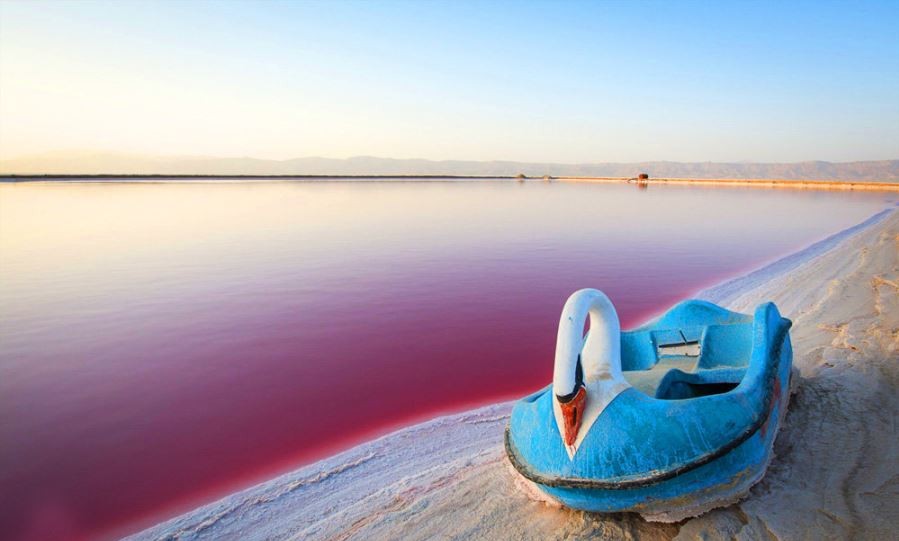 Maharloo Lake also known as Daryache-ye-Namak is a seasonal salt lake in the highlands of the area of Shiraz, Iran. 27.0 km (16.8 mi) southeast of Shiraz, the lake salt is rich in potassium and other salts.Rudkhane-ye-Khoshk, a seasonal river flowing through the city of Shiraz, brings most of the flood water to the lake bed during intensive precipitation events. The lake water typically evaporates by the end of summer and exposes the white lake bed.
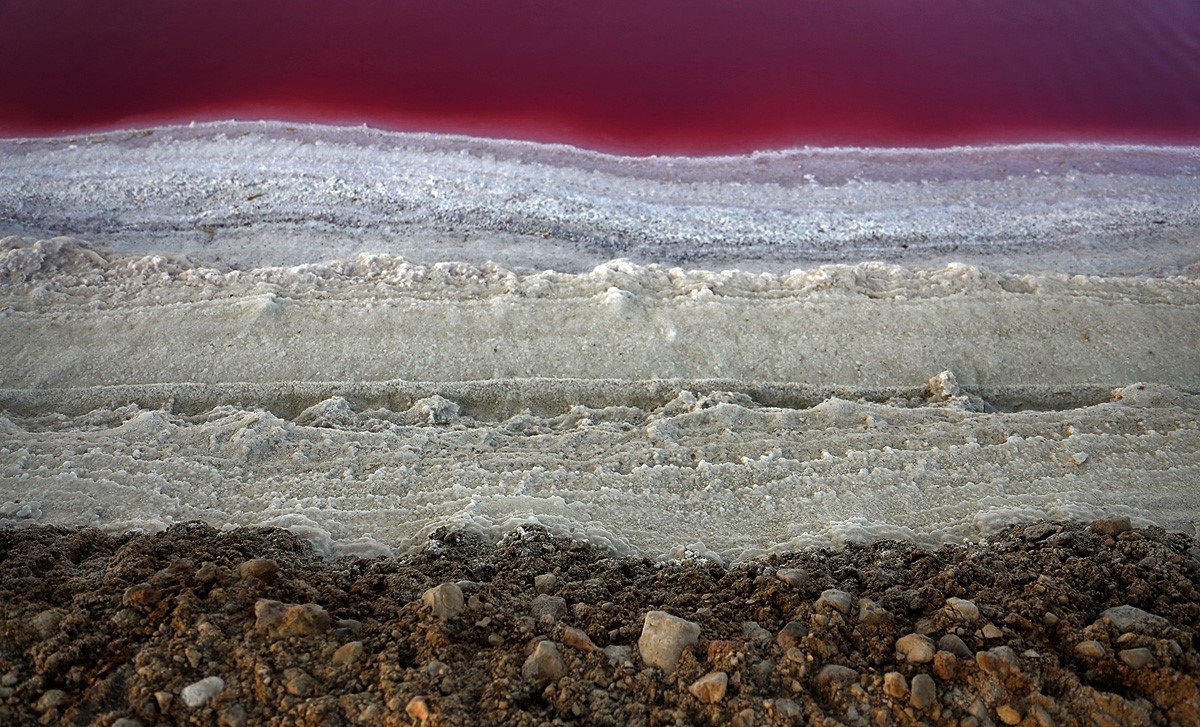 By mid-summer and due to high evaporation rates and salt concentrations, the lake water turns pinkish red as a result of the red tide within the lake.The pink color is due to the presence of algae that produces carotenoids (organic pigments), such as Dunaliella salina - a type of halophile green micro-algae especially found in sea salt fields.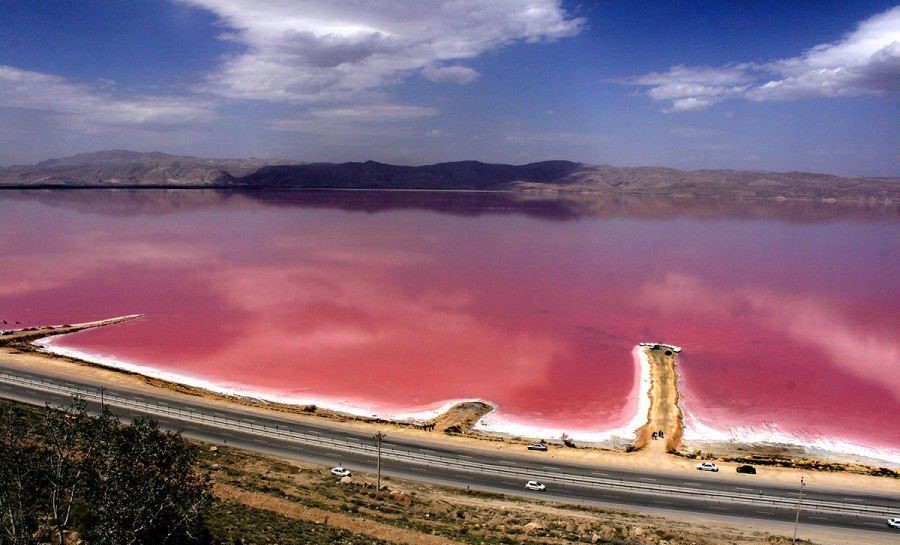
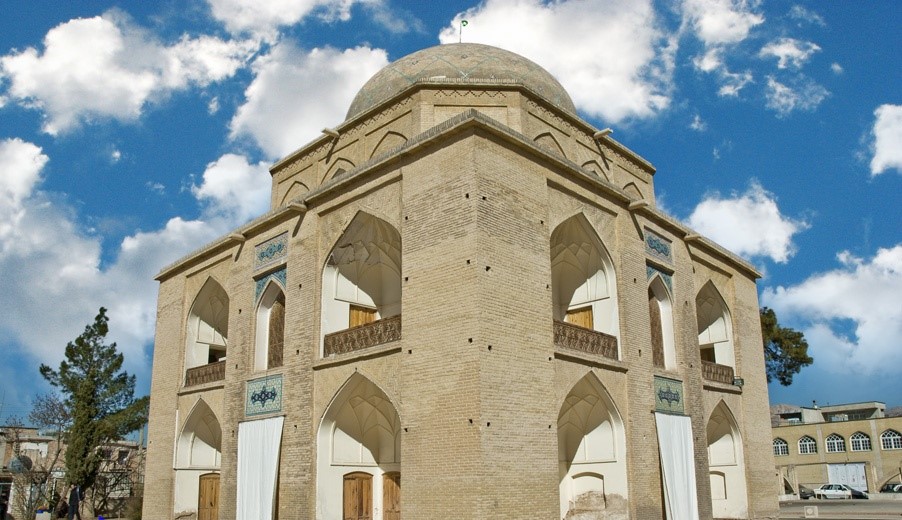

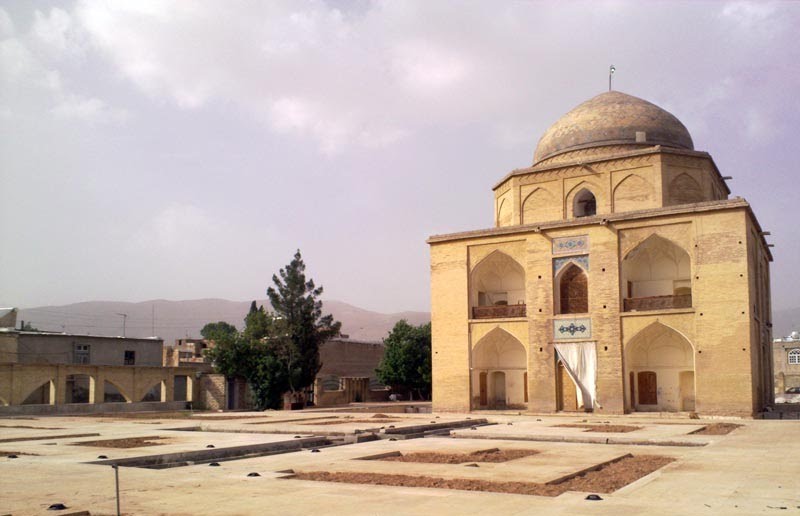
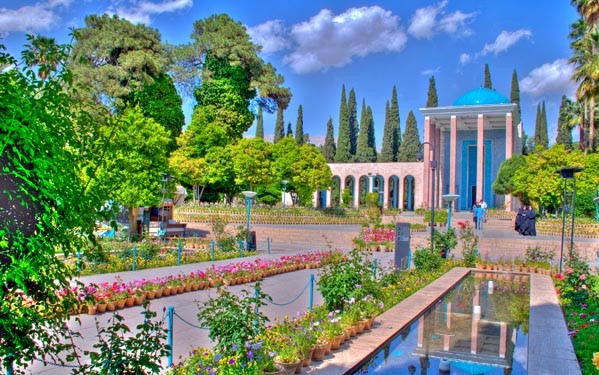 The mausoleum of Saadi, known also as the tomb of Sa’dy or Sadiyeh, is one of the major tourist attractions of Shiraz. Huge number of Iranians and non-Iranians pay a visit to this burial place and show their respect to Saadi and interest in his works, prose and poems.
 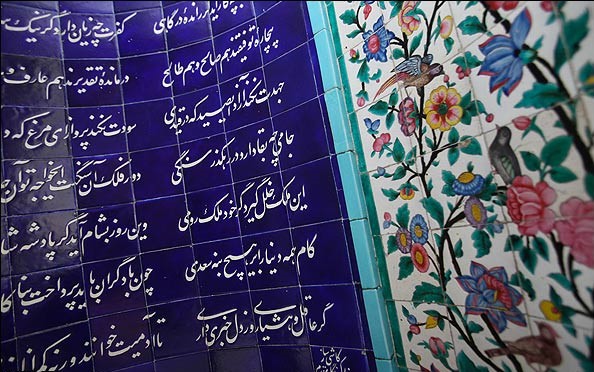 This Iranian poet is a globally known scholar whose words have touched many hearts across the world and wakened up many minds to take new steps in their lives to reach higher levels of humanity. The ambiance of this location is much more attractive than its architecture although it has got interesting character by itself.
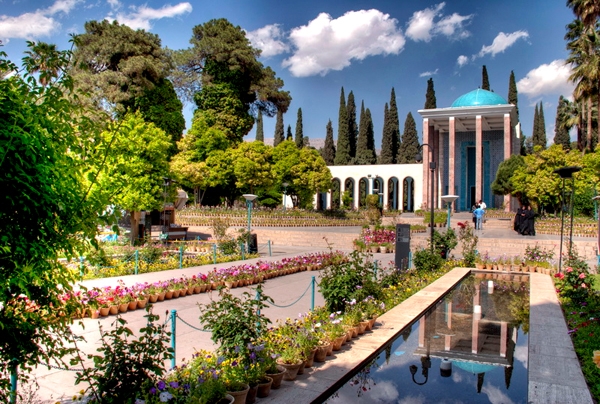 Saadi was buried in a village outside Shiraz which is now part of the city although it’s at the outskirt in a relatively poor neighborhood. Under Karimkhan-e Zand, the 18th century ruler of Shiraz, the present Saadi’s mausoleum was built to further honor him. It’s in form of a multi-sided building with a cupola on top. From outside it may look like a square structure due to its flat facade decorated with Shirazi tiles depicting tree of life in various colors. Inside, you can see the 8 corners of the building and large lamp hanging from the ceiling. His grave is beautifully carved in Persian.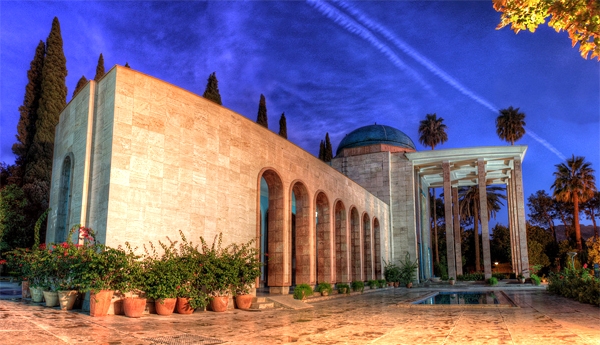
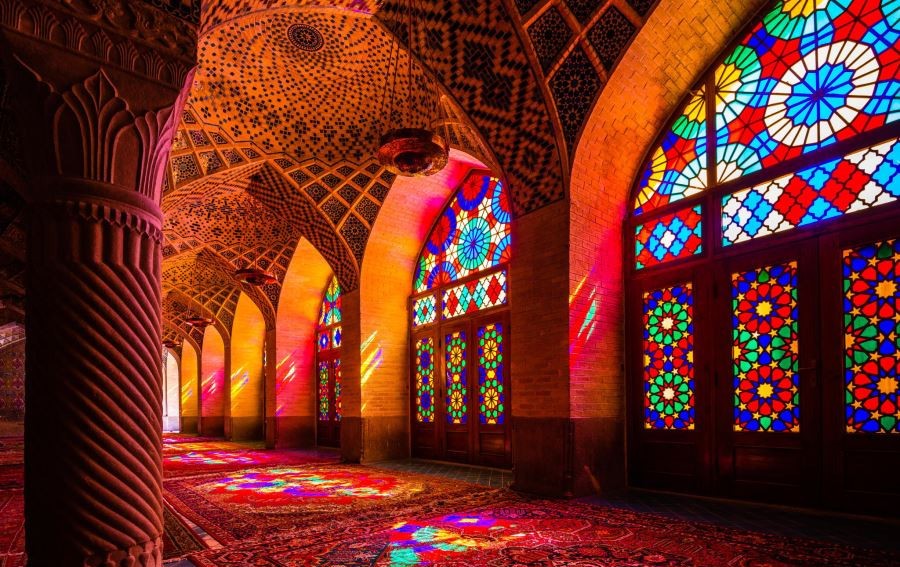
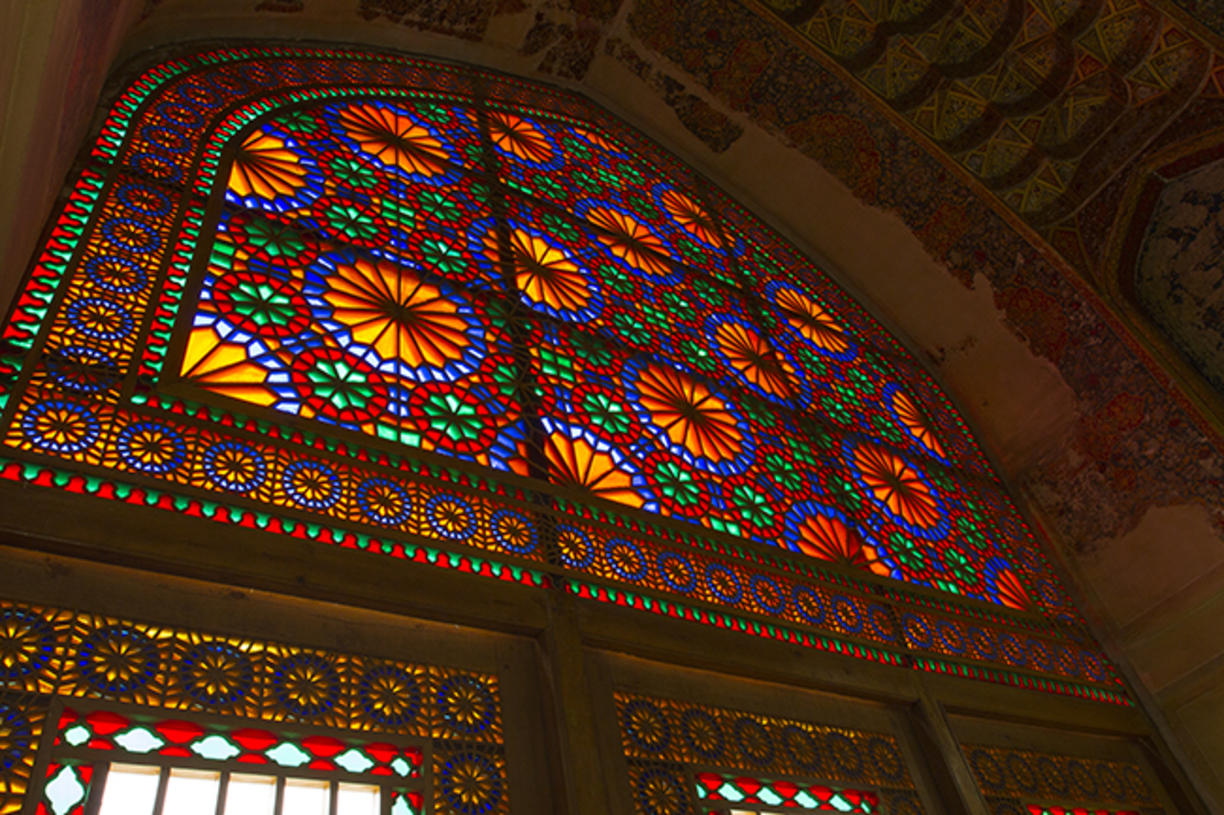
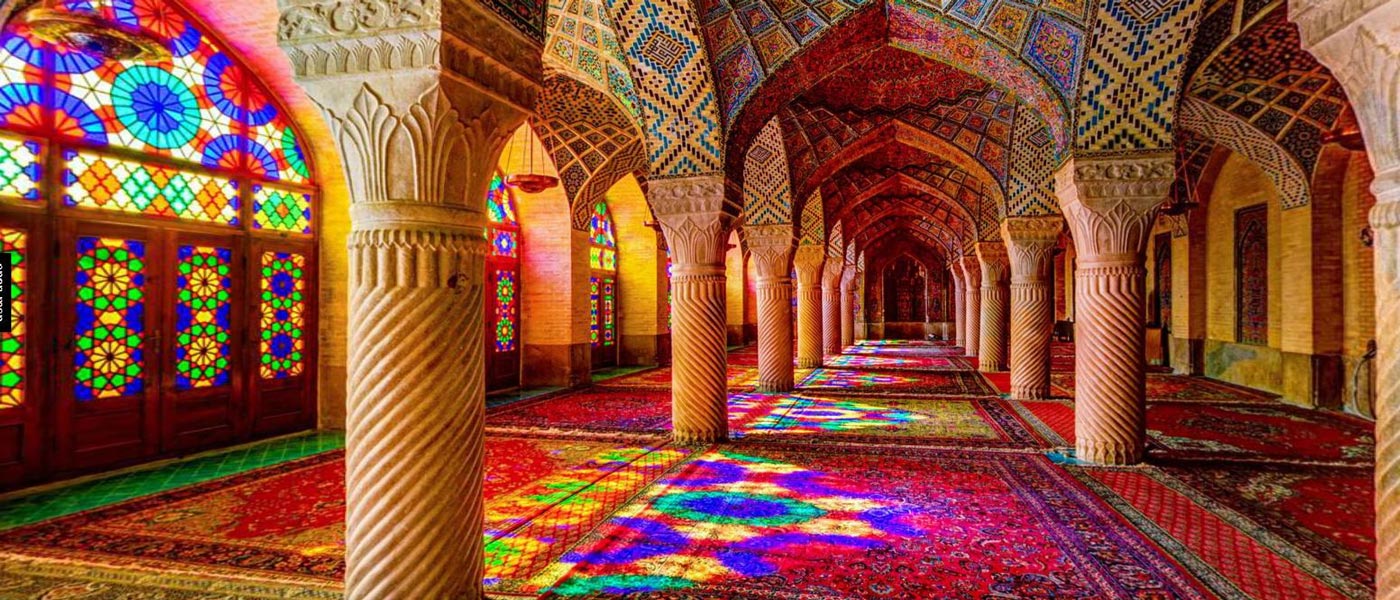 Nasir ol molk Mosuqe that named in popular culture as the Pink Mosque,due to the usage of considerable pink color tiles for its interior design. The stained glass windows capture the morning light and create a glorious play of light on the floor of the mosque.this place is interesting place for all photographer.
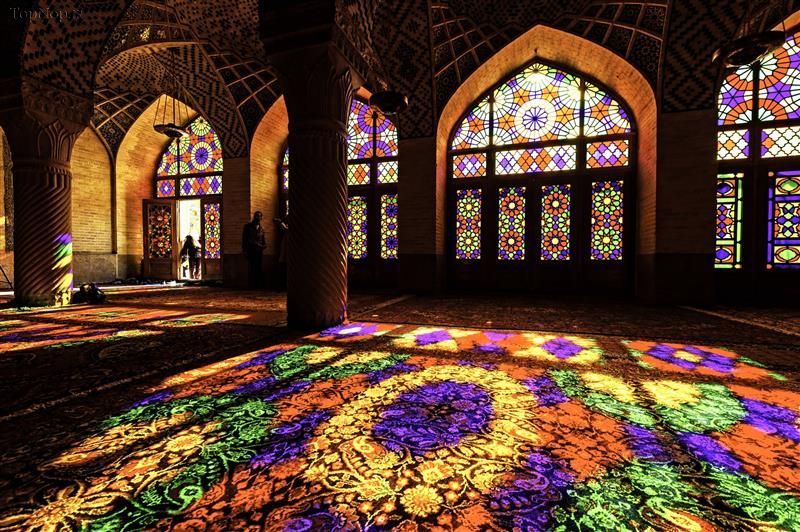 This Mosque is one one of the most elegant and photographed mosque in southern Iran.Built at the end of the 19th centery,its coloured tiling(on unusually deep shade of blue)is exquisite.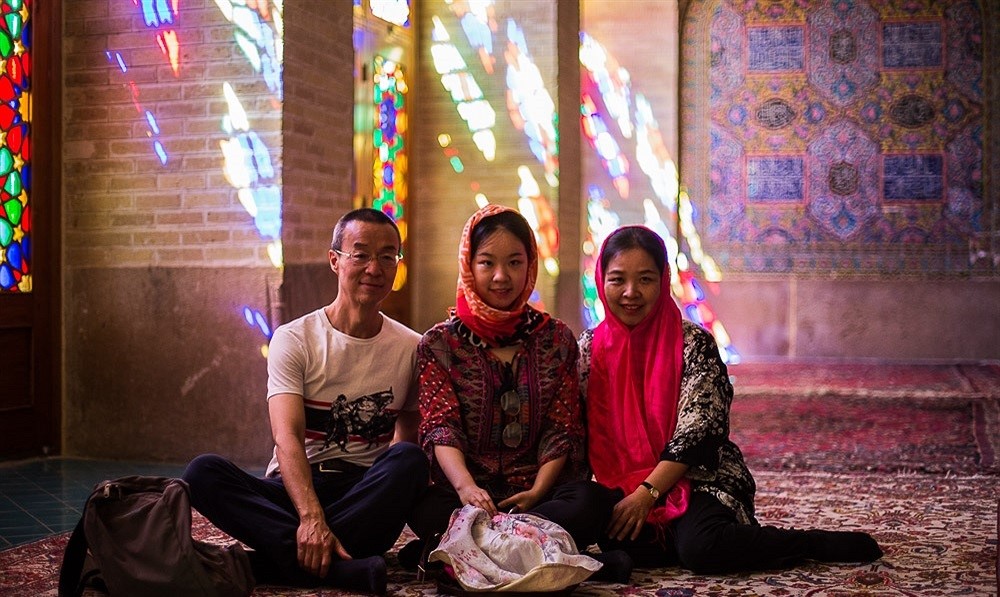
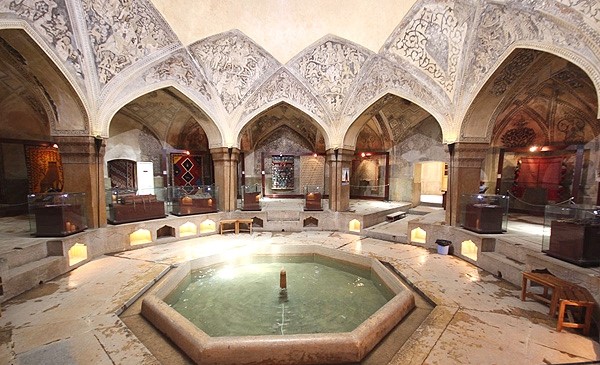
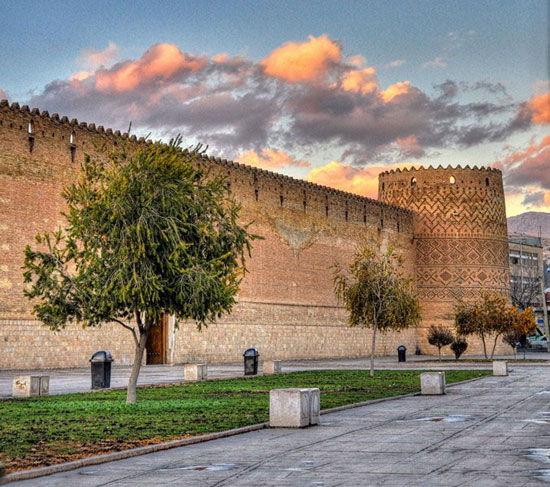
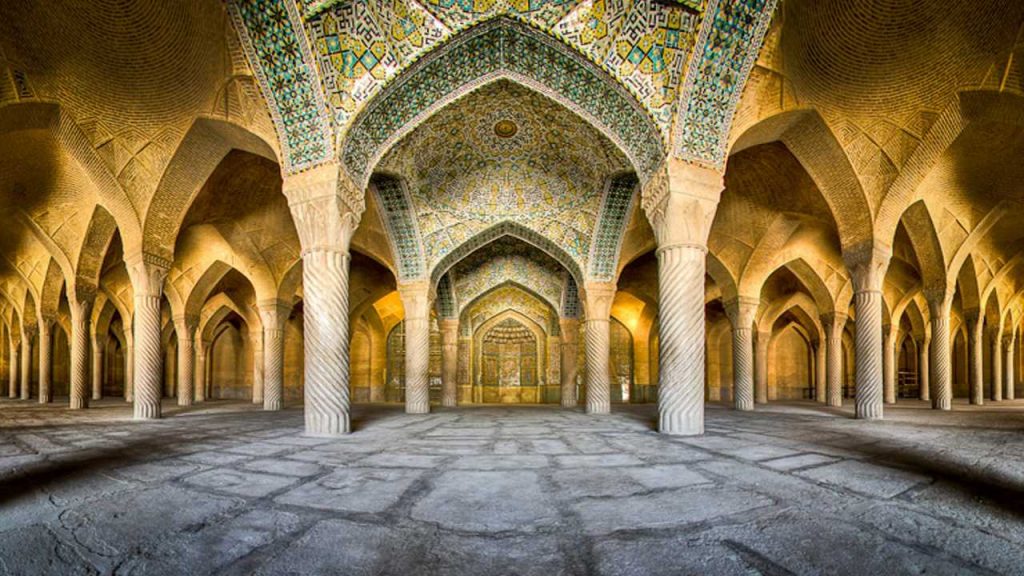 Zand Complex: It includes Citadel,Bath,Mosque and traditional Bazaar,which is located in the center of Shiraz in Zand street among the oldest streets of Shiraz and near the most and best hotels of this city.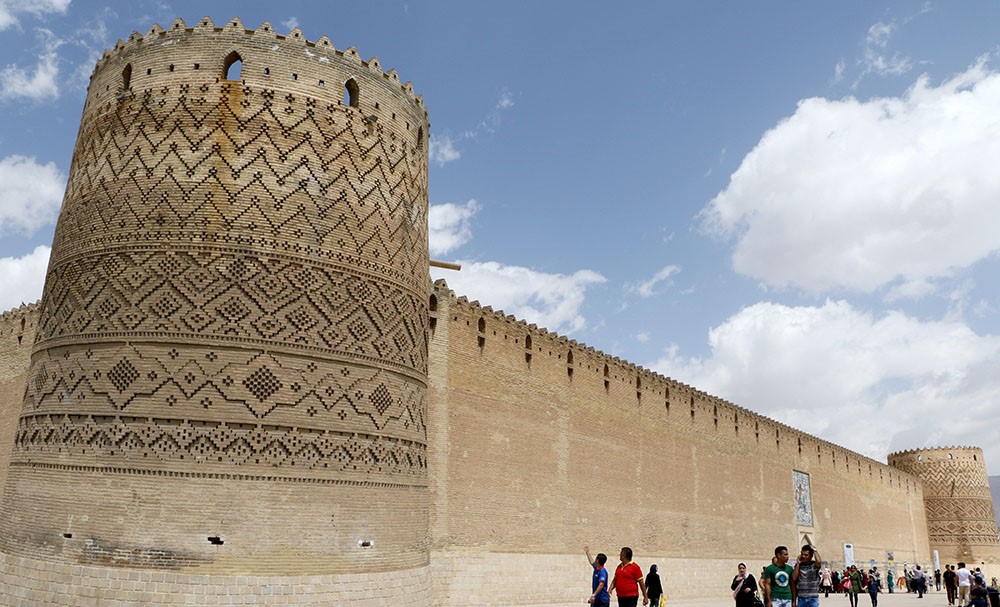
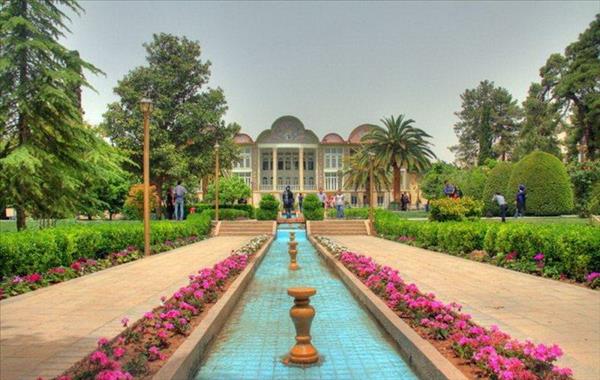
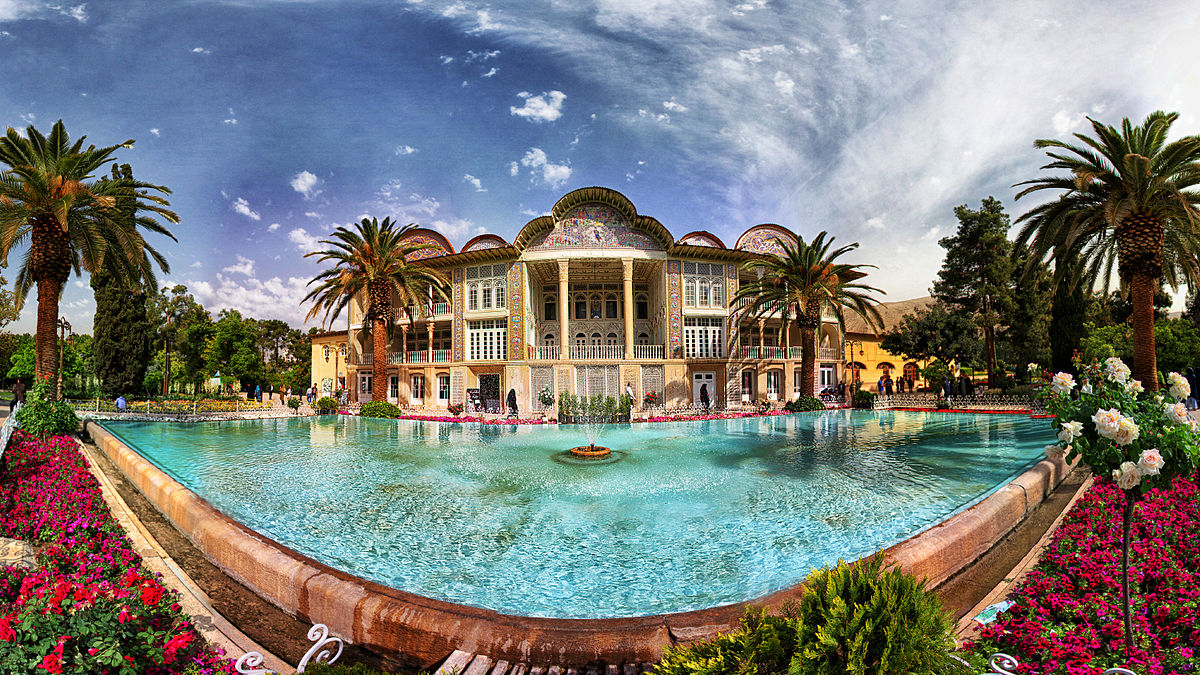 Eram Garden: It is a historic Persian garden in Shiraz,and resembling of Heaven with many cypress trees, a magnificent building, a hall decorated with mirrored facets, a fine stone edged pool and poems from the poet Hafez.
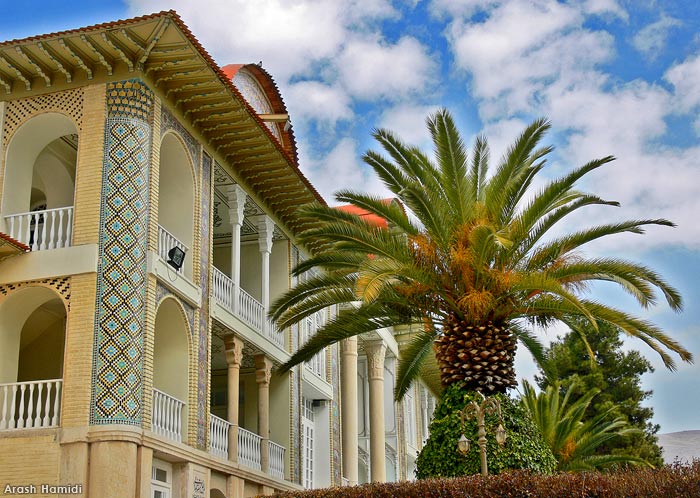 It was designed by a local architect, Haji Mohammad Hasan.Today it’s open to the public as a historic landscape garden and house museum.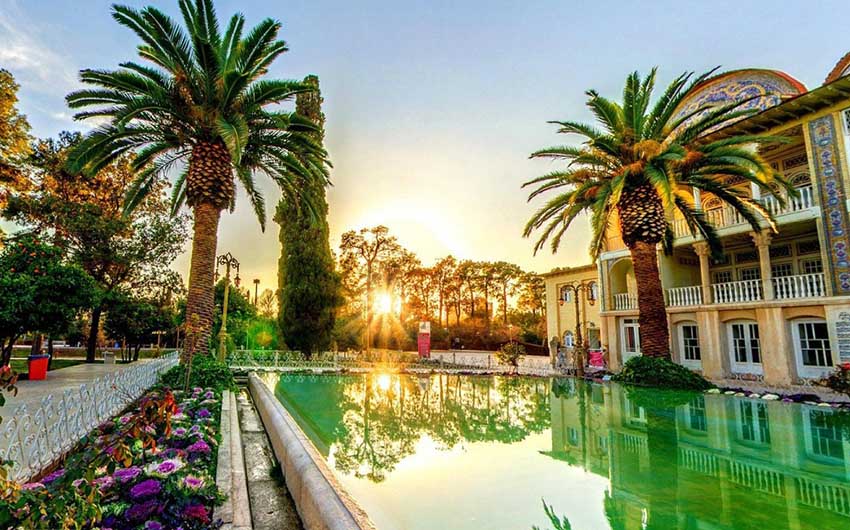
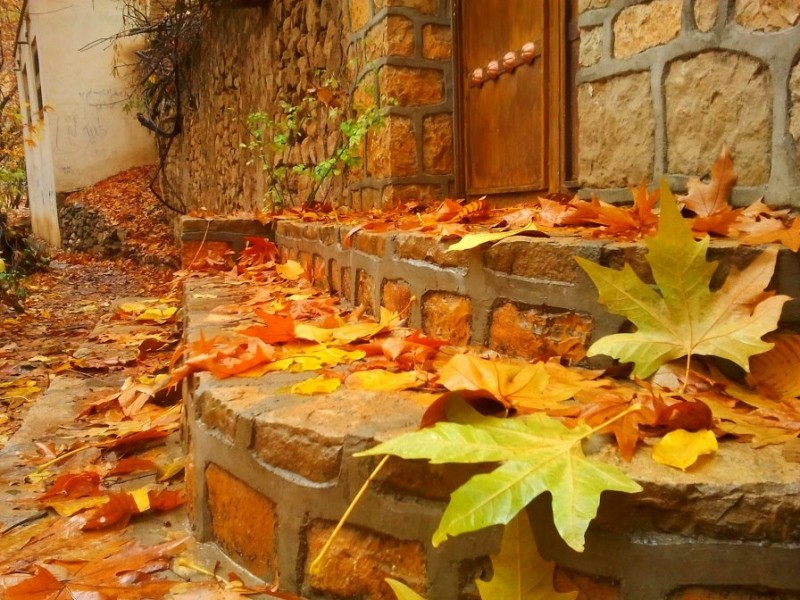 If you have planned to visit Shiraz, do not miss visiting the village of Ghalat. This village is located 36 kilometers far from Shiraz in north west of this city. It takes 42 minutes to go from Shiraz to this city. Having nice climate has turned this village a very beautiful and comfortable place for visitors who want to go on a trip. Even travelers and native people of this area choose this village for spending their weekend there.
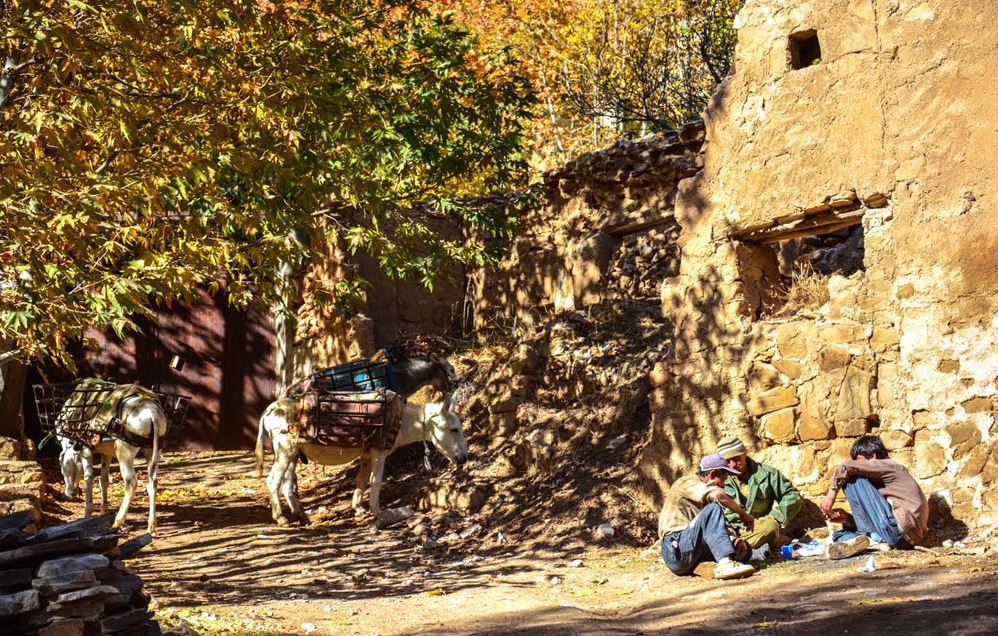 This place is mountainous and you will see several houses in stair type of structure. Tall trees have covered the view of these houses. The nature of this village is truly beautiful. The green lands, winding alleys and the sound of waterfalls shows how intact the village is. It will attract you to walk on foot around the village. As you are walking it feels as if you are the first person who discovered these alleys. Walking by every alley you will face vacant cities which are as old as the village itself. An old church, water mills and handcrafts like baskets, Melki(a kind of shoe), Mashk and wood crafts are all attractive concepts In Ghalat. You can also go hiking or mountain climbing on the green valleys of this marvelous village. You may as well visit traditional weddings and get acquainted with the old customs of the people of the area.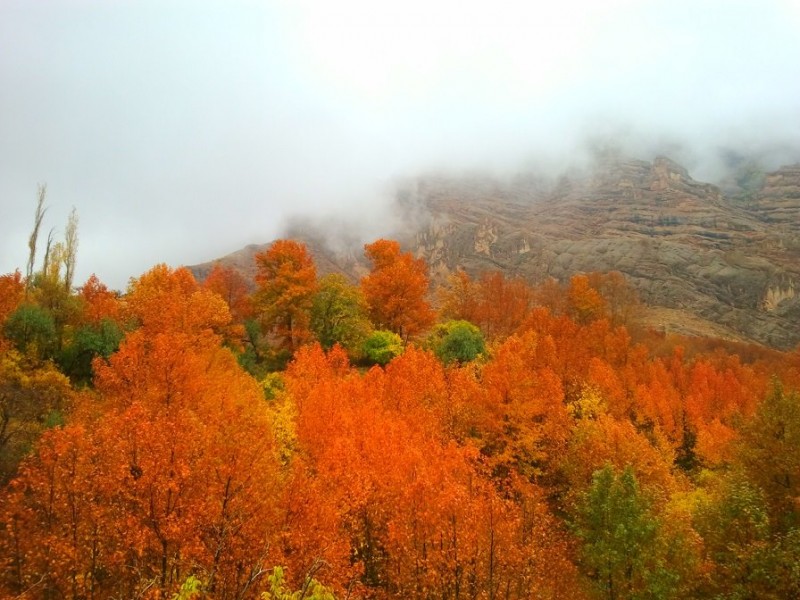
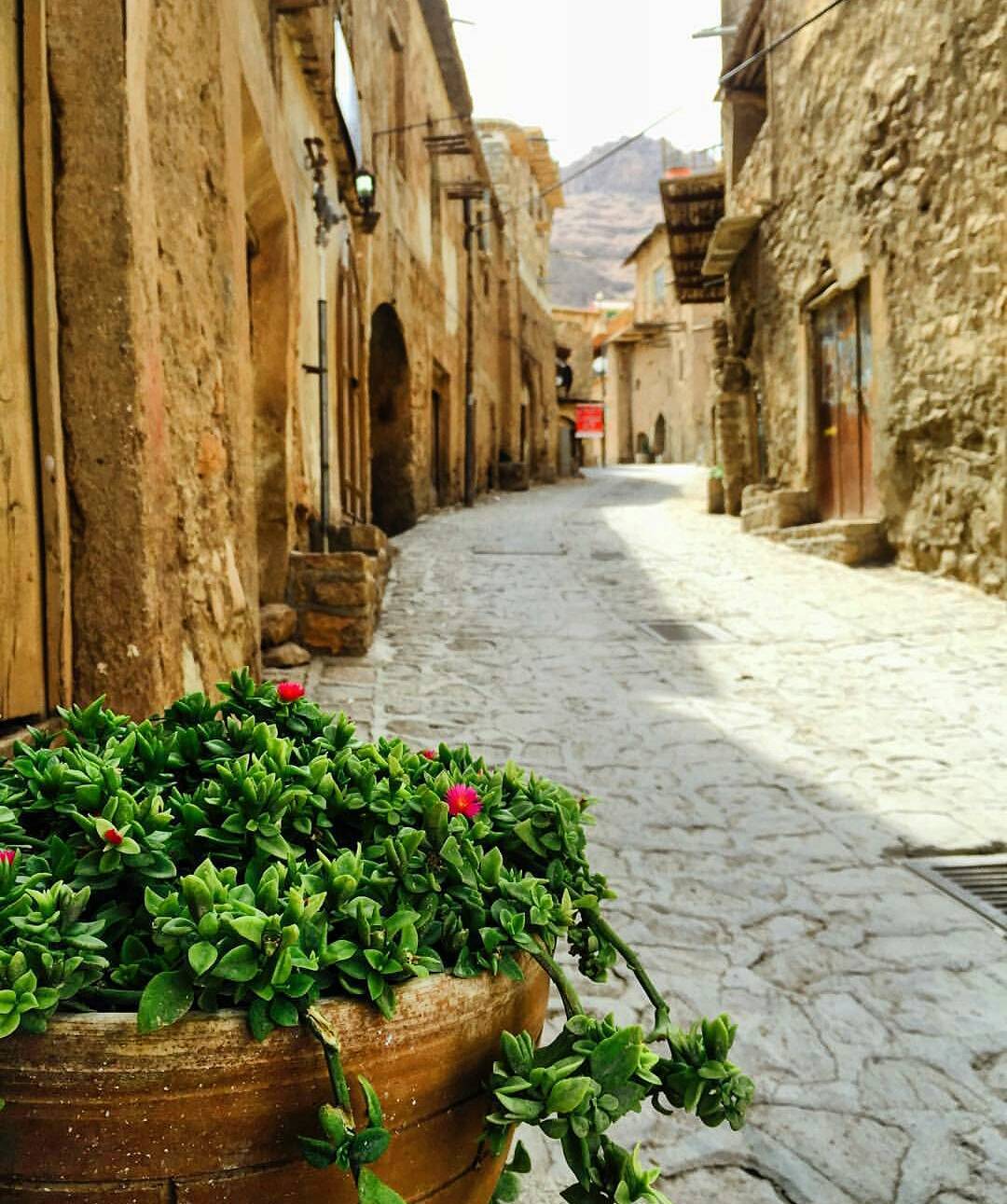
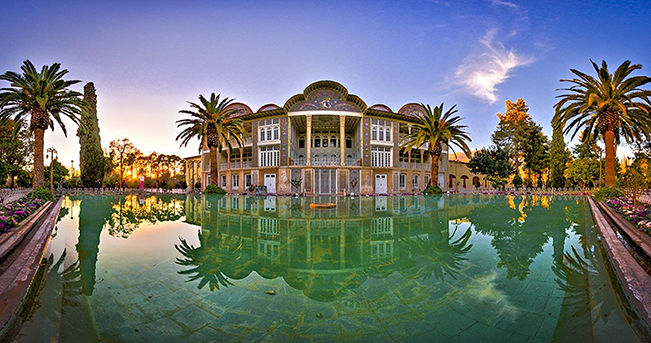 Eram Garden is a historic and monumental Persian garden in Shiraz, Fars province. With its beautiful flowers, tall cypress trees and decorative plants as well as its amazing edifice, it is known for its beauties and aesthetic attractions resembling heaven. The Garden is located on the northern shore of the Khoshk River. The original layout of the Garden, with its quadripartite Persian Paradise garden structure was most likely initiated by the Seljuqs, and was then referred to as the "Bagh’e Shah", Garden of the King, and was much less complicated or ornamental.
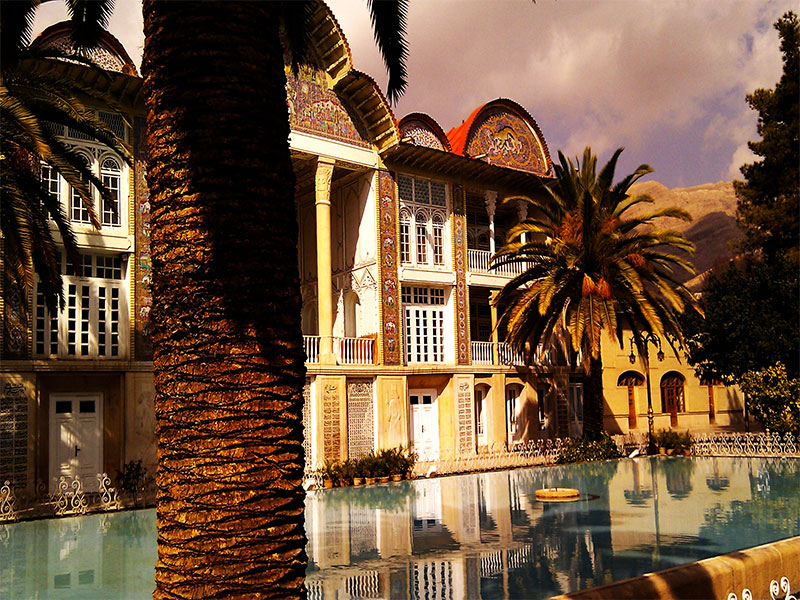 Over the course of the years the premises have been modified, restored or stylistically changed by various participants. Since its construction and throughout the eighteenth century, it was predominantly used by the local rulers and Persian monarchs. The structure underwent renovation by the Zand dynasty and was also renovated during the time of the Qajar dynasty. In the nineteenth century, Nasirolmolk bought the Garden and had its current three story building constructed and many cypress, pine, orange and persimmon trees were planted.
  The Pahlavi dynasty heavily invested in this Garden, renovating it to an internationally recognizable status. The compound came under the protection of Pahlavi University during the Pahlavi era, and was used as the College of Law.In the front of the building a large veranda with two high standing pillars sits. The large veranda is flanked on either side by smaller terraces. Directly beneath the main veranda are two-meter high solid stone plates with inscriptions depicting poems by poets such as Sa'adi and Hafez.
 Above the veranda are three large and two small crescent-shape tile works, each illustrating a historical event. The middle pediment, being larger than the other two side ones, shows Nasereddin Shah on the back of a white horse. The two small pediments depict a deer being hunted by a panther.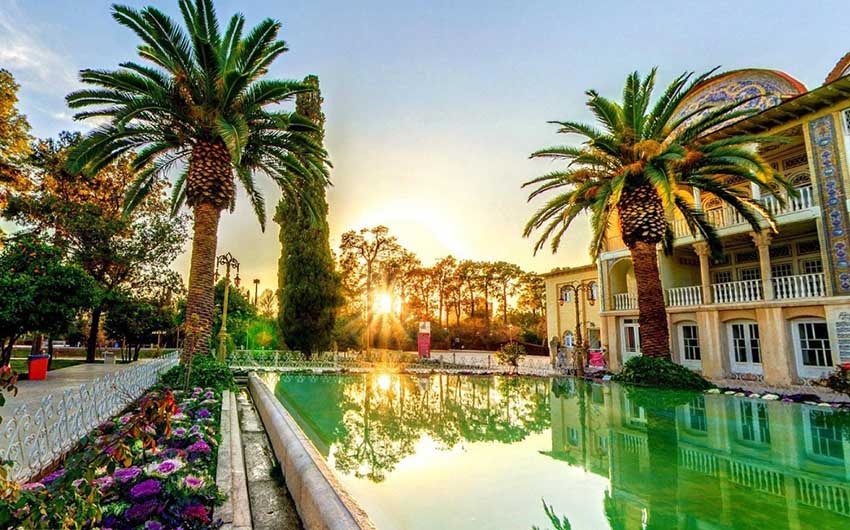
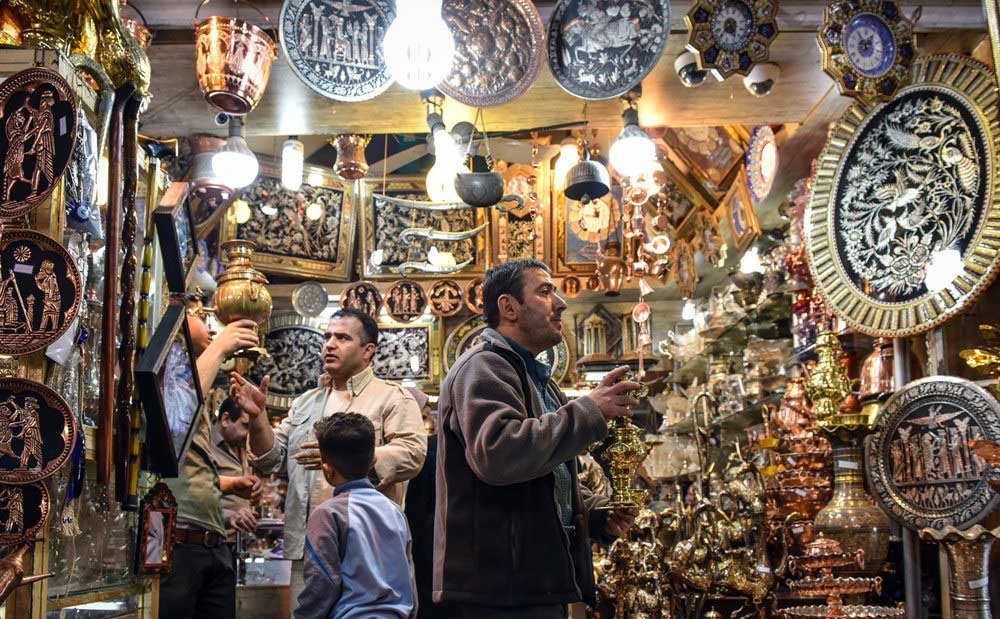 Vakil Bazaar is the main bazaar of Shiraz and is located in the historical center of the city in Darb’e Shahzadeh near the Vakil Mosque. It displays a beautiful architecture with wide corridors and high ceilings along with openings which allow air circulation and penetration of light. It extends from near the Esfahan Gate to where the Bazaars of the old city of Shiraz begin, and it comprises arched alcoves with wide platforms in between, and seventy four high and well proportioned arches sustaining the roof.
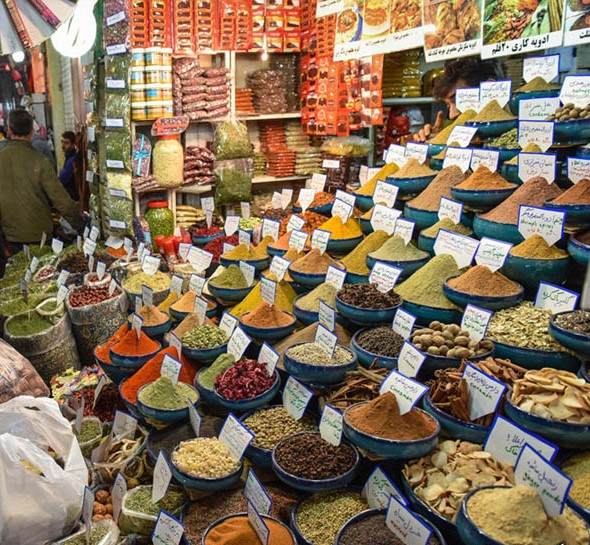 There is a high domed crossing, where the east and west bazaars diverge from the main bazaar. Several of the main arches, and a number of intervening alcoves of the Vakil Bazaar, which were used as shops, were demolished when the Zand Avenue was extended eastwards.The Vakil Bazaar was constructed of yellow bricks following the design of the earlier royal bazaar in Isfahan. It has five entrances with two rows of shops (Hojreh), situated north-south and east-west direction and perpendicular to each other.
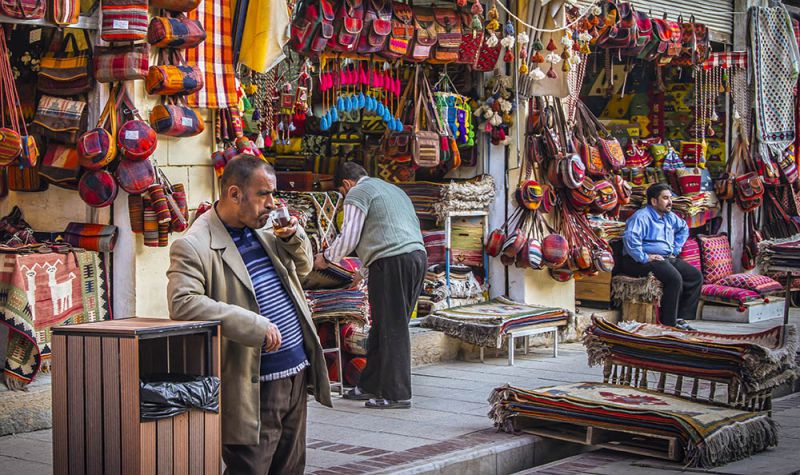 The floor of these shops are elevated about 70 centimeters from the street level, leaving a shelf in front of the shops running in all the length of the street. This shelf is about 1 meter wide. The Bazaar has beautiful courtyards, caravansarays, bath houses, and old shops which are deemed among the best places in Shiraz to buy all kinds of Persian rugs, spices, copper handicrafts and antiques. Like other Middle Eastern Bazaars there are a few numbers of mosques and Imamzadehs constructed adjacent or behind the Bazaar.
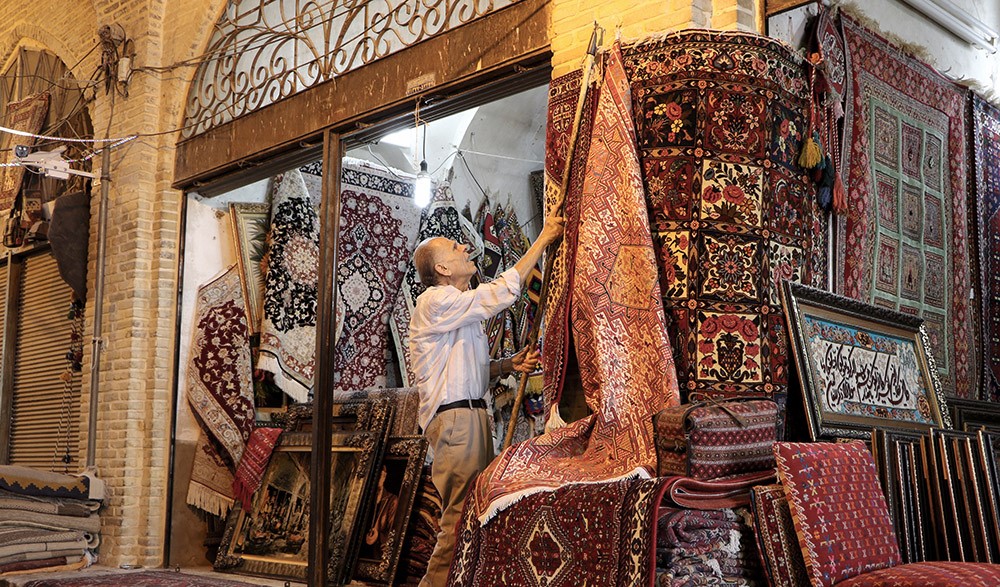 Some believe that the market originally was established by the Buwayhids, and was completed mainly by the Atabaks of Fars, and only was renamed after Karim Khan Zand in the 18th century. Others believe that the Zand monarch, after seeing the ancient Bazaar dating from the time of Shah Abbas, laid out the design of the long finely-planned Bazaar in Shiraz, which is one of the best of the late Vakil's monuments.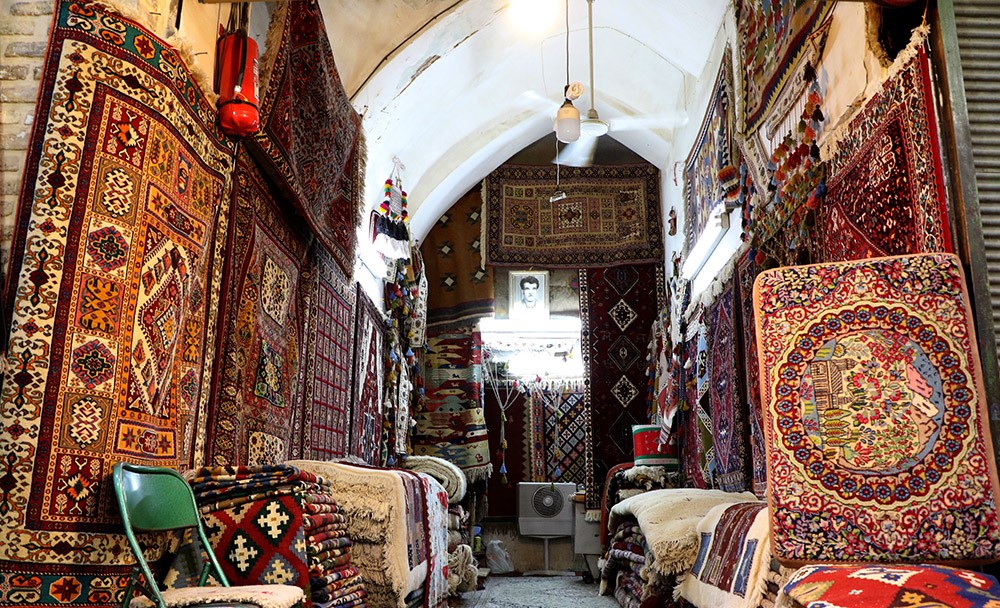
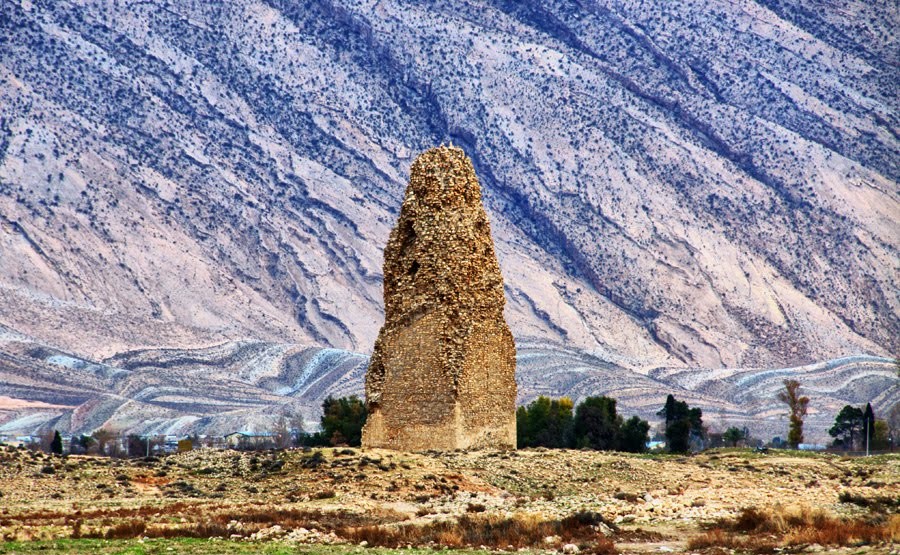 Gor City is located 50 kilometers east of Meymand and 6 kilometers north of Firouzabad in Fars province. As Iran’s first round city it’s considered an ancient wonder. Historically the City is traced back to the Achaemenid Dynasty. Gor has a diameter of 2 kilometers and is surrounded by brick wall and a moat 50 meters across. The City had 4 entrances named Hormoz Gate (north), Ardeshir Gate (south), Mehr or Mithra Gate (east) and Bahram Gate (west).
 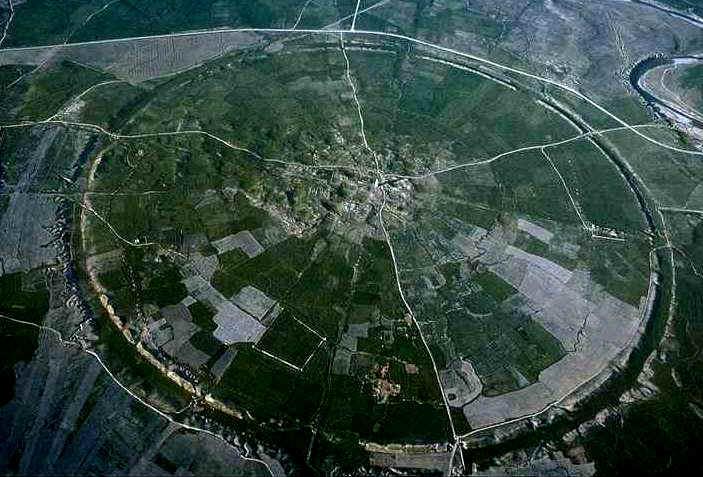 The City conatins an inner circle with a diameter of 450 meters which was separated from the rest of the city by a wall. The inner circle was for government buildings and homes of the upper class.
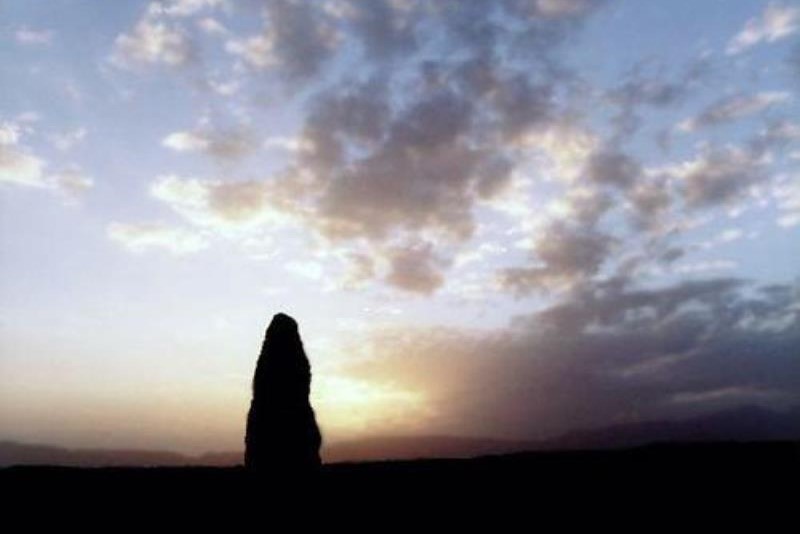 Other regional historical remains in and around the City include a motif of Shapur I (victorious over the Roman Emperor Valerian), Dokhtar Castle, Ardeshir Castle and a number of fire temples. The City is also adorned with many other paintings and artifacts dating back to the Sassanid era. Even after approximately 2,000 years, many of the paintings of the city have retained their original unfaded colors. As recent as 2006 a number of graves of Sassanid Princes in tub like coffins accompanied by paintings were discovered.


 Hi dear friends. I am NAVID TAHMASEBI (English instructor & Inbound manager of Tavrizh parvaz travel & tourism agency)and I was Born in Tabriz. This weblog is created to introduce IRAN for passengers from all around the World.