
With an area of more than 110 hectares, there lays Sa’ad Abad complex at the foot of the Alborz ranges, north of Tehran, situated to the west of Golab Dareh and east of Velenjak quarters.It was first the summer residence of Qajar kings, and then turned into Reza Shah’s summer residence following expansion and annexation of some other quarters.
On various occasions, villa-palaces and mansions were erected on the beautiful range among aged cypresses and aspens, in almost the vicinity of the remnants of aged and weather beaten Qajar mansions the facades of which were constructed in bricks.In the course of time, they numbered 18, each in a different architectural style and technique. After the Islamic Revolution, palaces were changed into museums in a suitable way to represent the finest works of art from Iranian and non-Iranian artists to the large number of visitors.
Today, there are 10 museums open to the public as follow:
1. Green palace: It is the first palace built in the complex during Pahlavi dynasty by Reza Shah’s order. The building is called green palace because of the color of its facade. The palace is a very nice museum of Persian arts like mirror marquetry, carpets, and illumination and plaster work. It was served as Mohammad Reza’s private palace where some private meetings were held before the Islamic Revolution.
2. Nation’s palace: In two stories, different small and large rooms were served as residence and office of Reza Shah Pahlavi and his son. Rooms were used as sitting room, waiting room, reception hall, dinning hall and bedroom. There are some works of art like figurines and chinaware are kept in showcases. Furniture, chandeliers and paintings are European made. There are four big mural painting the subjects of which are Iranian myths.
3. Nations’ museum: This collection consists of various works of art purchased from other countries and represents the civilizations of pre-Islam Iranian, African, Indian, far east, Eskimos, Mayas and contemporary arts of Iranian as well as non-Iranian artists.
4. Fine arts museum: The major part of the paintings in this collection are the oil paintings of Safavid, Afshar, Zand and Qajar periods collected by Mohammad Reza Pahlavi’s last wife, Farah, from an English collectioner called Harold Emmer. The paintings have been arranged on 3 floors: 1) First floor, teahouse painting by contemporary Iranian artists, 2) second floor, various historical periods paintings mentioned above, and 3) Third floor, European works presented to Farah or bought by her.
5. Behzad museum: This museum is devoted to the miniatures painted by Hossein Behzad (1895-1968) who made a revolution in Iranian painting. Studying European art and being inspired by Kamal-ed-din Behzad and Reza Abbasy, he introduced a new style of miniature on paper, hard paper or fiberboard. This style is purely Iranian, but it has kept on with its contemporary paces and changes of art in universal art schools.
6. Abkar museum: The miniatures in this museum are works of a 20th century artist called Klara Abkar who had her particular style in painting. Her source of inspiration was the rich Iranian literature and mysticism. Her works take the visitors to a world of spirituality and a poem-like or light-music-like harmony that give everyone’s eyes peace and tranquility.
7. Mir Emad museum: The main subject of this museum is the most prominent post-Islam Iranian art namely calligraphy. On paper and parchment, there are plenty of various calligraphic styles of writing belonging to 10th to 19th centuries. Mir Emad, himself, the most well known 18th century’s calligrapher, has been introduced by his works. In some cases, some calligraphy-related arts like illumination, painting, etc are exhibited.
8. Museum of anthropology: The lifestyle and customs of Iranians through the history are displayed from cultural perspective. In a vast area and of two floors, various objects are exhibited like tools for irrigation, agriculture, husbandry, fishing and hunting as well as agricultural documents, clothes, lighting tools and handicrafts.
9. Water museum: This museum in an exhibition of ancient and traditional techniques and instruments for water supplement and distribution. Various water-related vernacular structures are introduced like water reservoirs and traditional icehouses. Some ancient water dams and royal orders concerning them are presented as well.
10. Military museum: the objects of the museum are displayed on two floors. The military uniforms of Achaemenians up to the present time are exhibited. The weaponry on display consists of some unsophisticated ones used in the ancient times until the firearms period’s. Part of the history of Iraqi-imposed war against Iran (1980-1988) is also exposed to visitors.
Visiting this complex of palaces can serve as an introductory step to be familiar with various historical, cultural and artistic aspects of Iran.

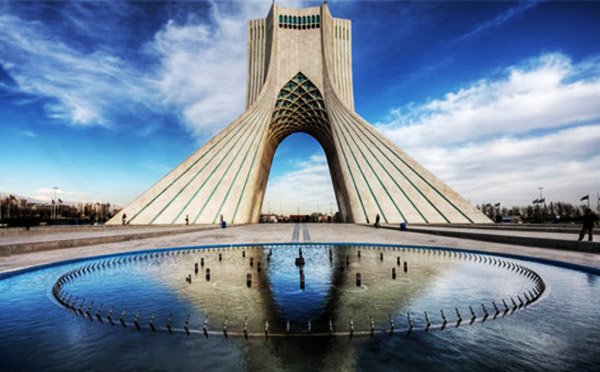 zadi Tower Built in 1971 to commemorate 2500 years of Persian monarchy, this iconic tower fuses elements of Sassanian, Achaemenid, and modernist architecture. Literally meaning ‘Freedom Tower’, the ivory-coloured, Y-shaped building is situated in a park in east Tehran, and features a well laid out underground museum.
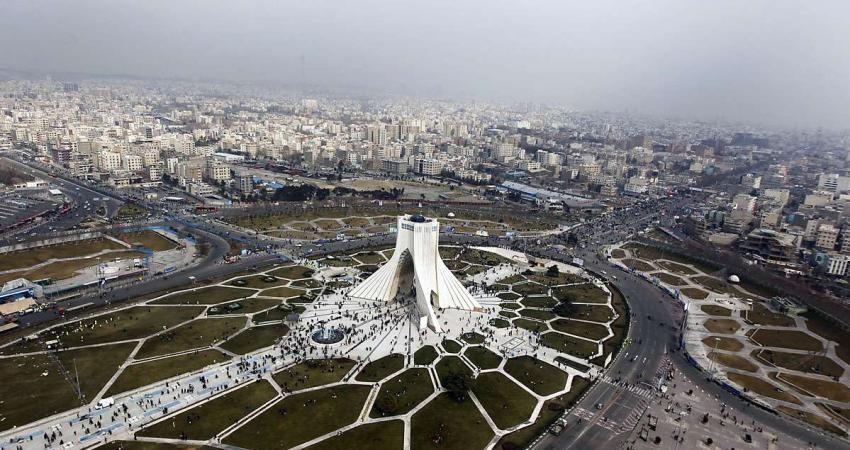 Though not as tall as the Milad Tower, it nevertheless boasts fantastic views of the city from the top floor.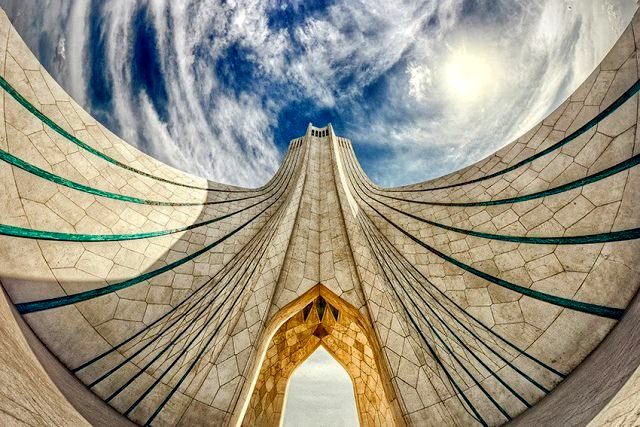
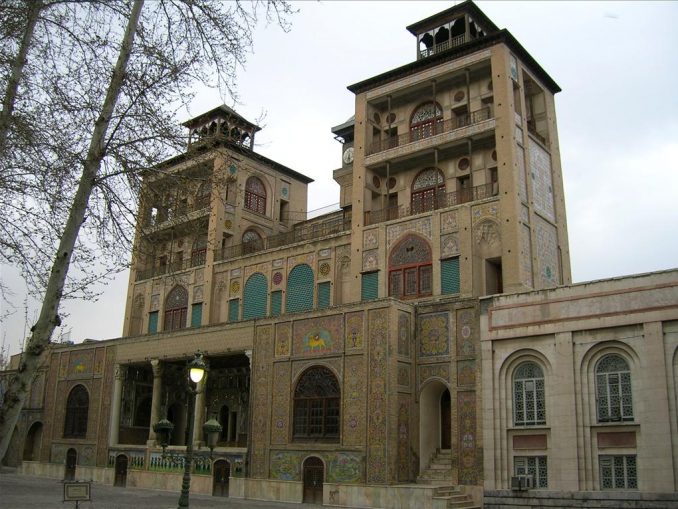
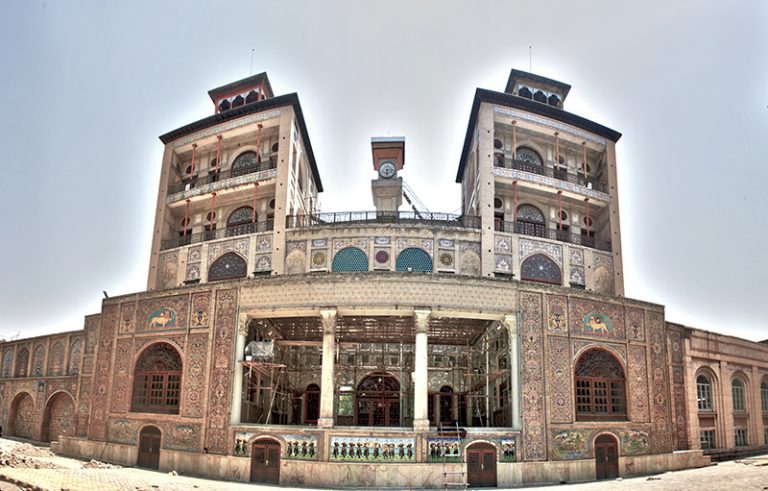 Shams-ol-Emareh (Edifice of the Sun) is the most stunning structures of the Golestan Palace.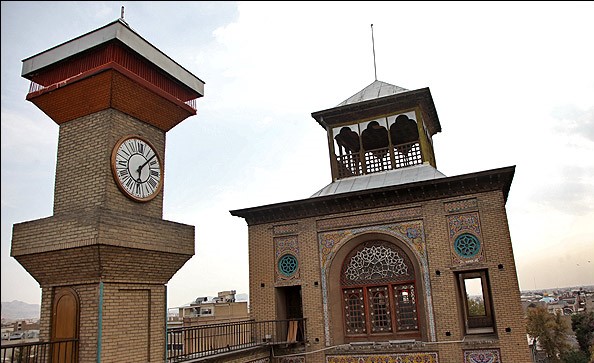
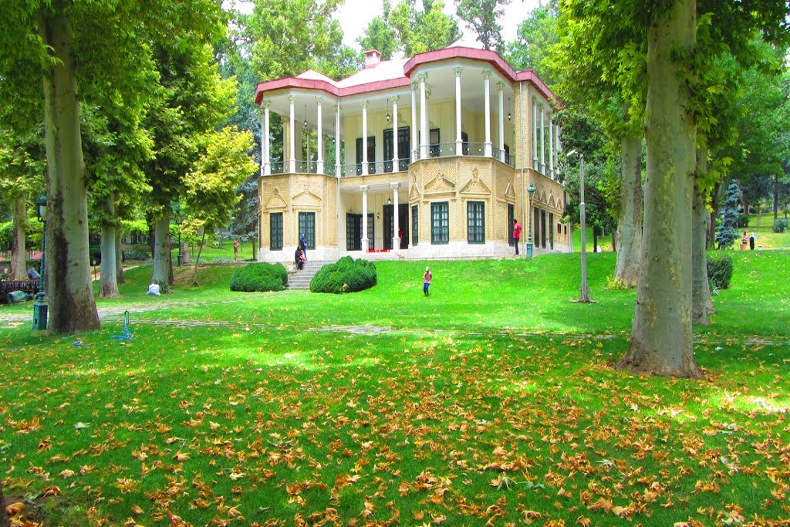 Near Alborz foothills there is a palace where Shah Mohammad Reza Pahlavi and his family spent most of the last 10 years of royal rule. It’s set in 5 hectares of landscaped gardens and has six separate museums, the best of which is the elegant 1960s Niyavaran Palace, with its clean lines, opulent interior and sublime carpets.
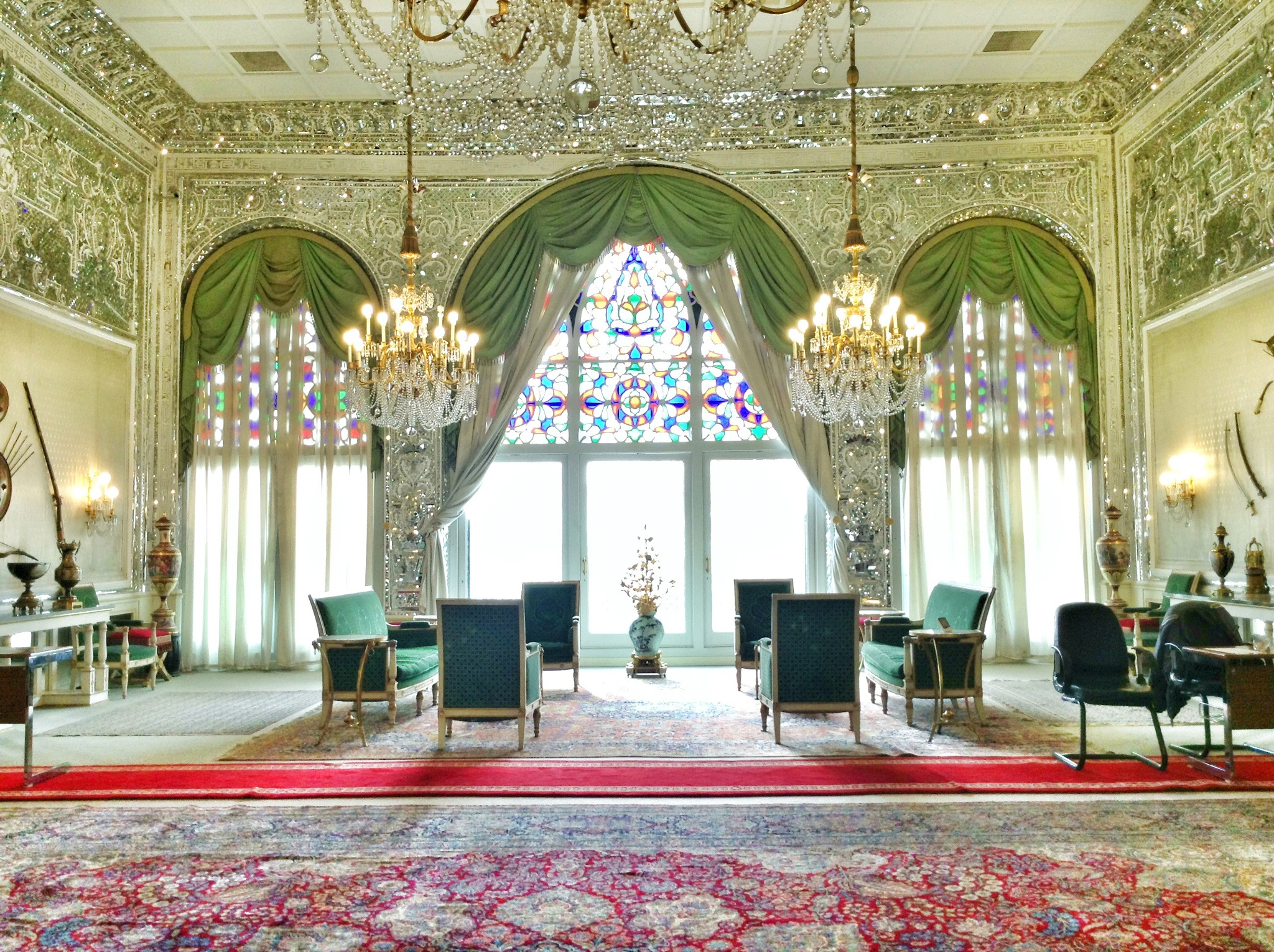 There’s also a pleasant cafe with outdoor seating.Apart from the Niyavaran Palace, you can also explore the Sahebgharanieh Palace, where the shah kept his office; the Ahmad Shahi Pavilion, Reza Pahlavi’s residence when he was crown prince; and the Automobile Museum, which houses a small collection of stately vehicles.
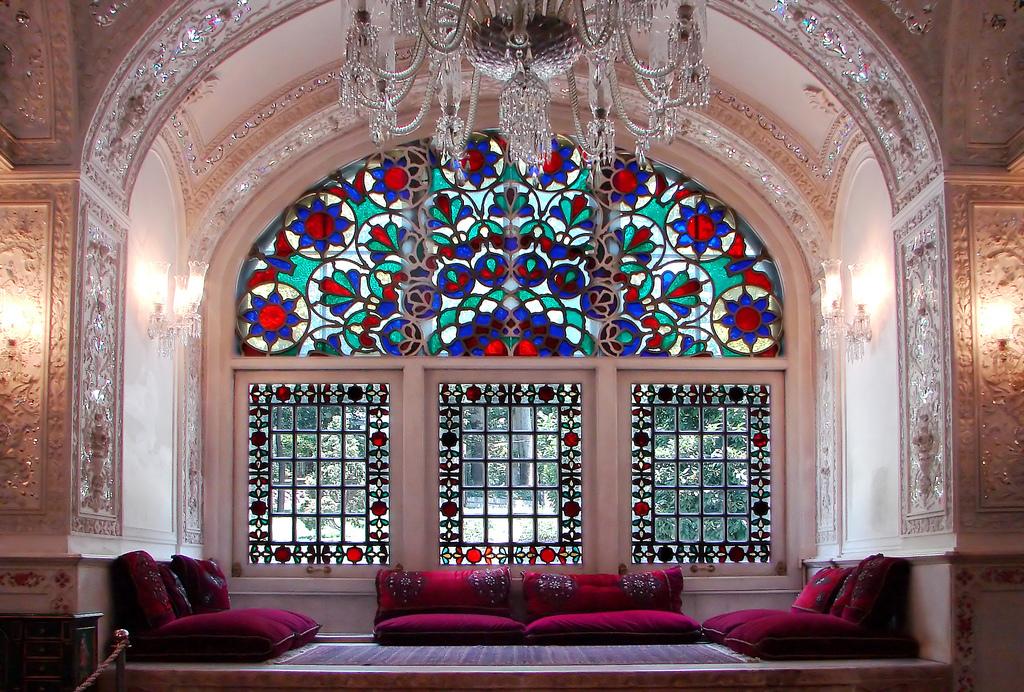 Note that at the time of writing, the Sahebgharianieh Palace was closed for renovations.Farah Diba’s tasteful touch is also evident in a number of the museums, including the art-filled Jahan-Nama Museum & Gallery, and the Imperial Library Museum, once her exclusive domain.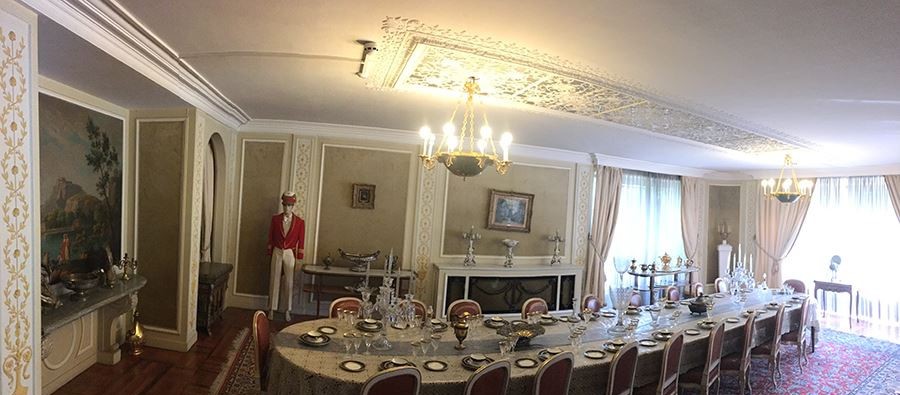
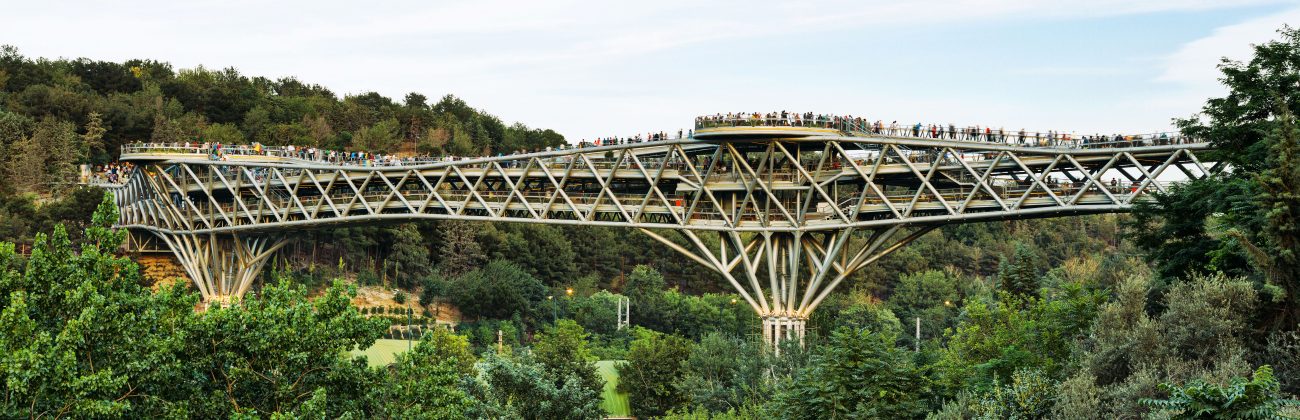 Tabiat Bridge: It’s easy to see why this multilevel, sculptural pedestrian bridge, designed by Iranian architect Leila Araghian, has won awards and been a huge hit with locals. The 270m long walkway connecting Park-e Taleghani and Park-e Abo-Atash over the busy Modarres Expwy is a fun space to relax and, in good weather, it provides superb views of the north Tehran skyline against the Alborz Mountains.
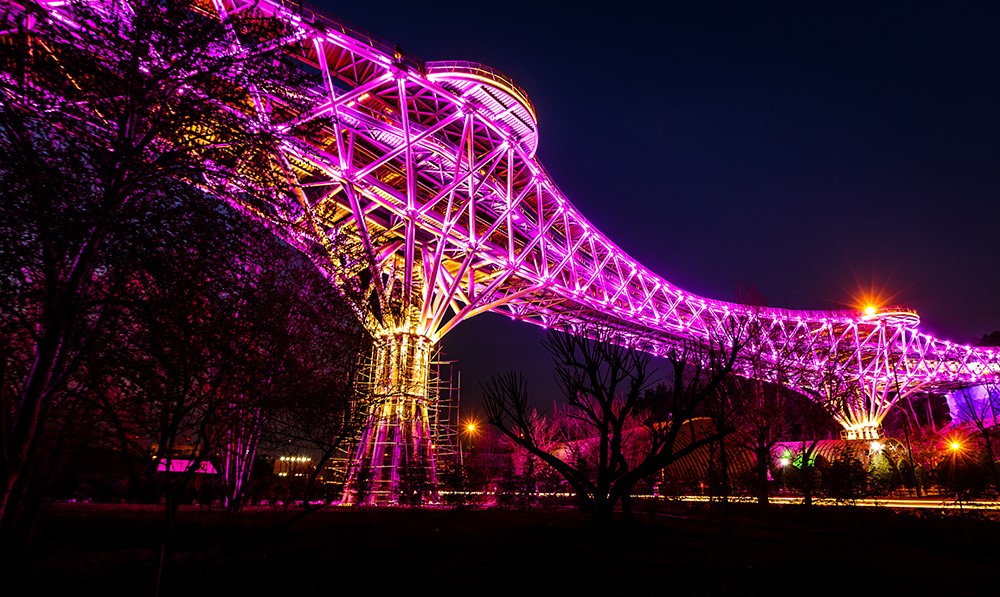 There’s a decent food court at one end and a perfect restaurant at the other, as well as plenty of places to sit and socialise, making it a highly popular place to hang out in the evenings.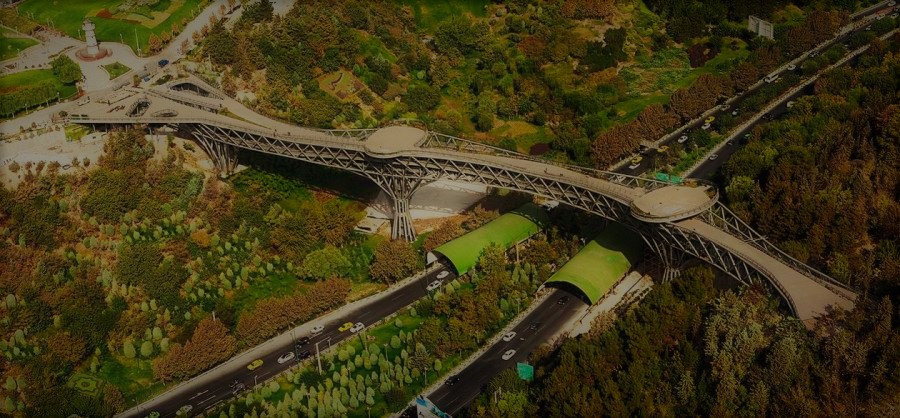


 Hi dear friends. I am NAVID TAHMASEBI (English instructor & Inbound manager of Tavrizh parvaz travel & tourism agency)and I was Born in Tabriz. This weblog is created to introduce IRAN for passengers from all around the World.