The St. Thaddeus Church_West Azerbaijan
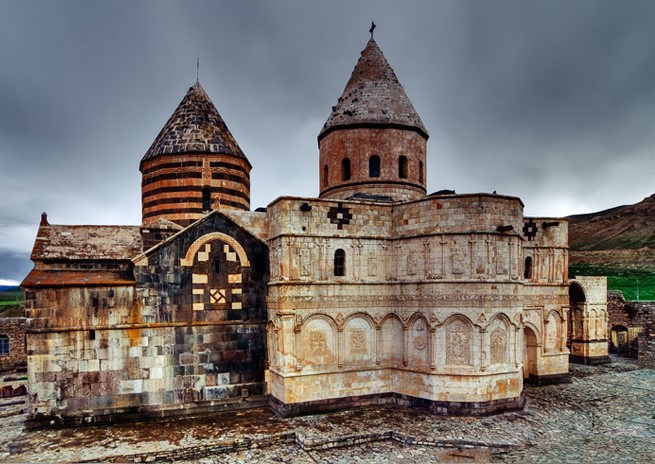 The St. Thaddeus Church best known as Qara Church and Tatavoos Church (which literally means Black church) is an ancient Armenian monastery perched on a mountain ridge in the northern Iranian province of West Azerbaijan. Located 20 kilometers south of Maku, the massive church can be seen against the natural background of rolling hills; its cuspidate tambours catches the eye of beauty-seekers.
 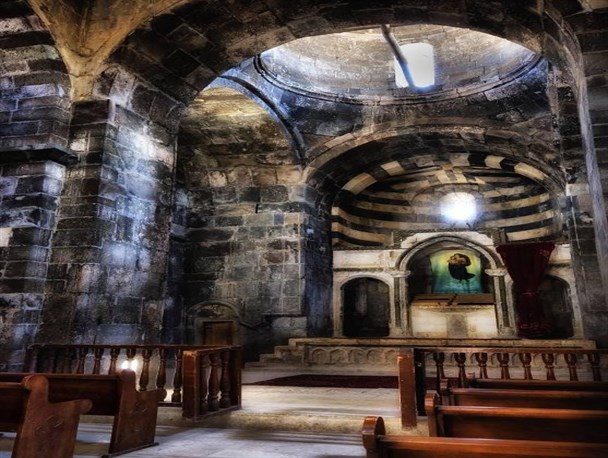 As one of the oldest and most notable surviving Christian monuments of Iran, Qara Church carries great significance for the country's Armenian Orthodox community. Armenians hold that Qara Kelisa is the world's first church and was constructed in 68 CE by one of the apostles of Jesus, Saint Thaddeus, who traveled to Armenia, then part of the Persian Empire, to preach the teachings of Christ.
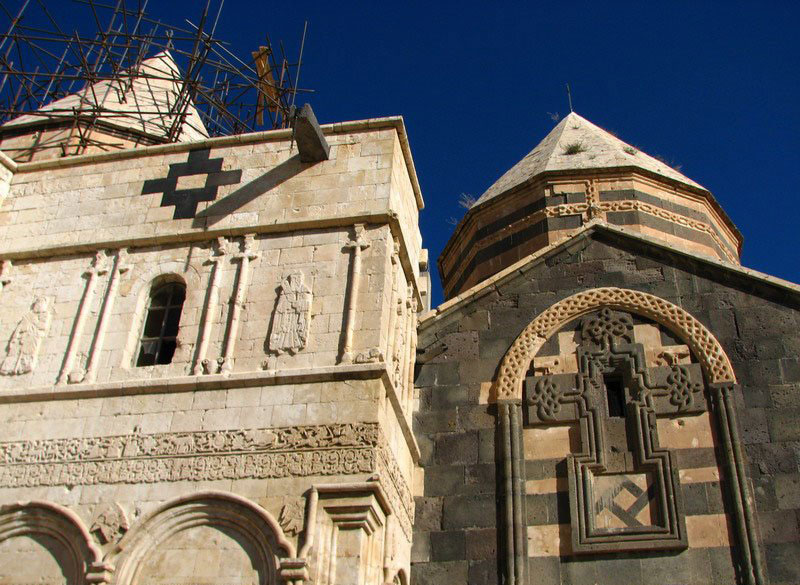 According to historical records of the Sassanid period, some of the Armenians were the followers of prophet Zoroaster, whereas some were sun worshipers. In the year 43 AD. two men by the names of Tatavoos and Batholemus preached on Christianity in the vicinity of Azerbaijan, thereby gaining a number of followers estimated at 3,500 people, including the daughter of the monarch of the time. In order to stop the advancement of Christianity, the Armenian ruler ordered for their massacre in the year 66 AD. It is said that their bodies were buried in the vicinity of this church.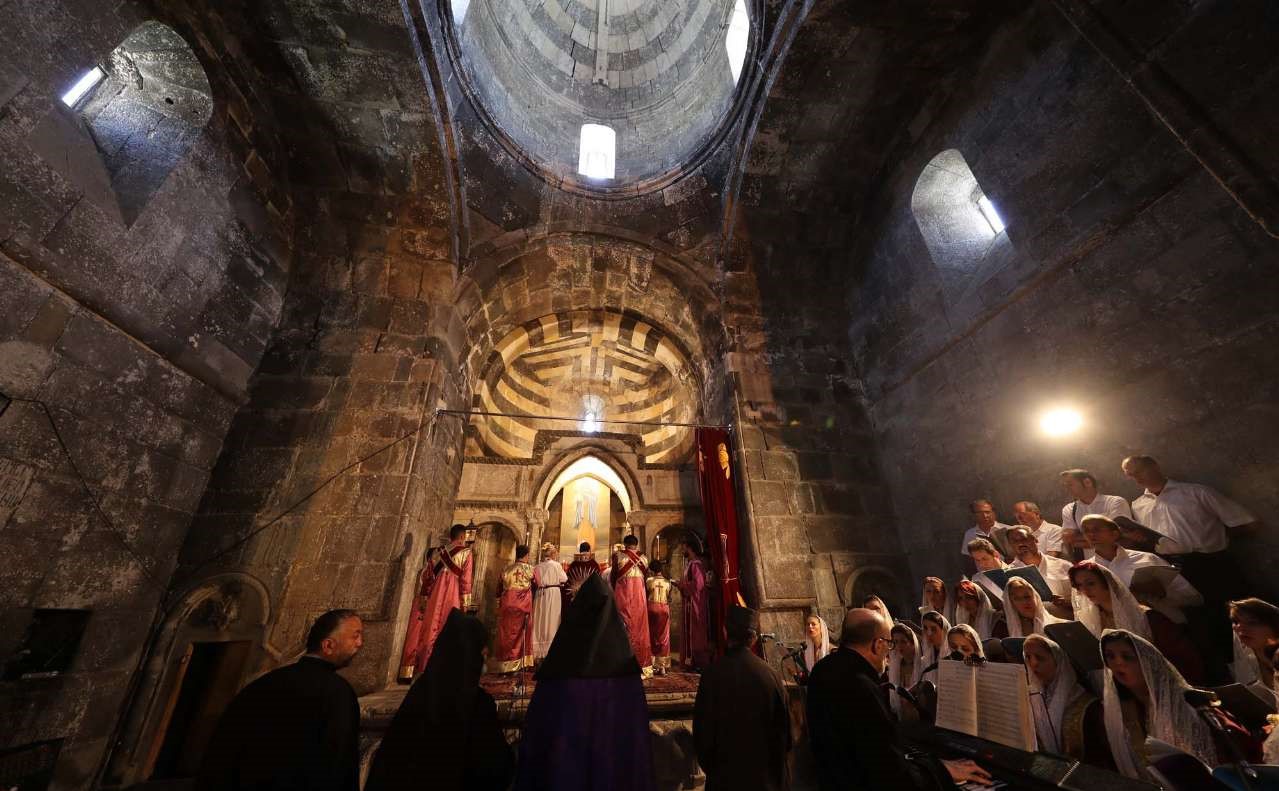
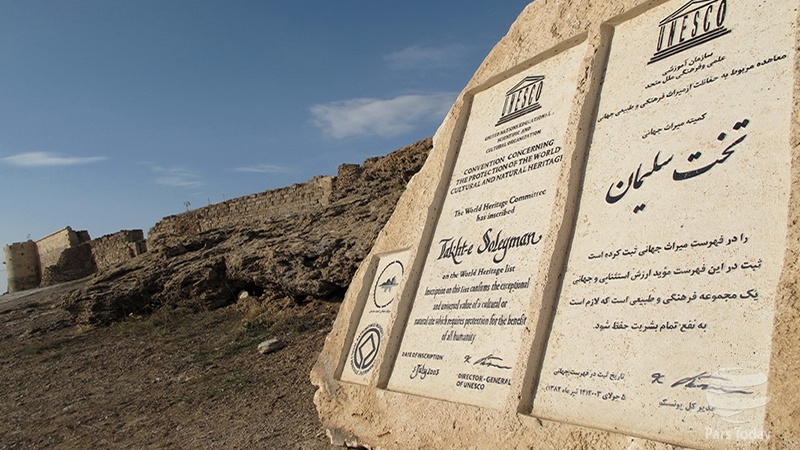 Takht’e Soleiman is an
 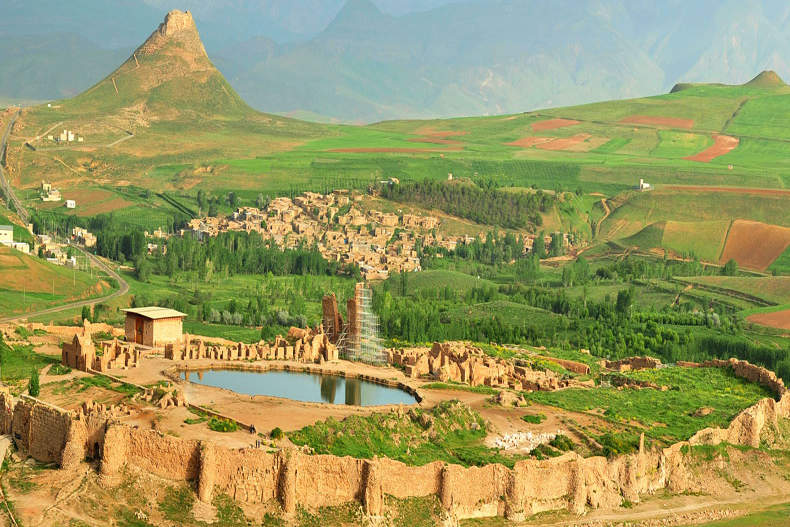 Takht’e Soleiman consisted of a fire temple called Azargoshasb in the Sassanid era when the temple was at its
 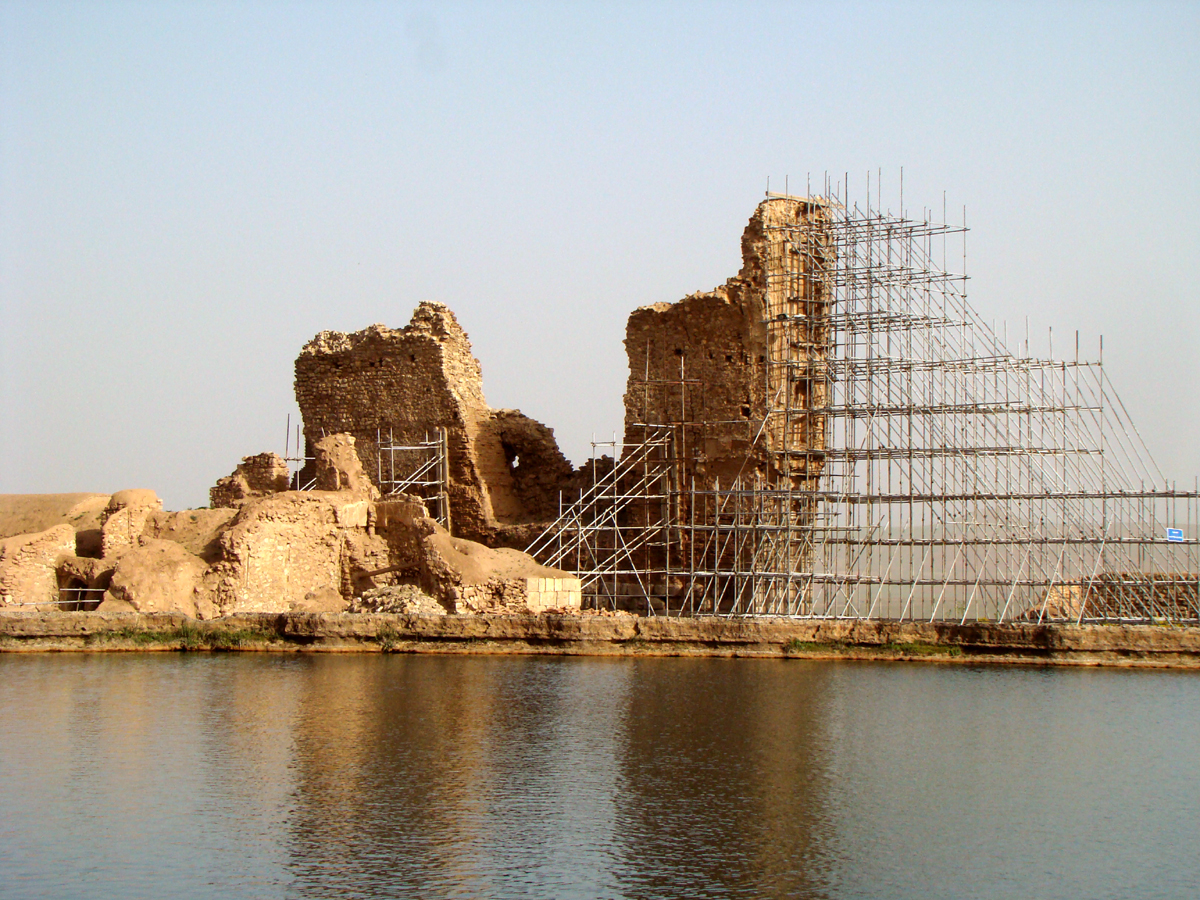 Folk legend relates that King Solomon used to imprison monsters inside the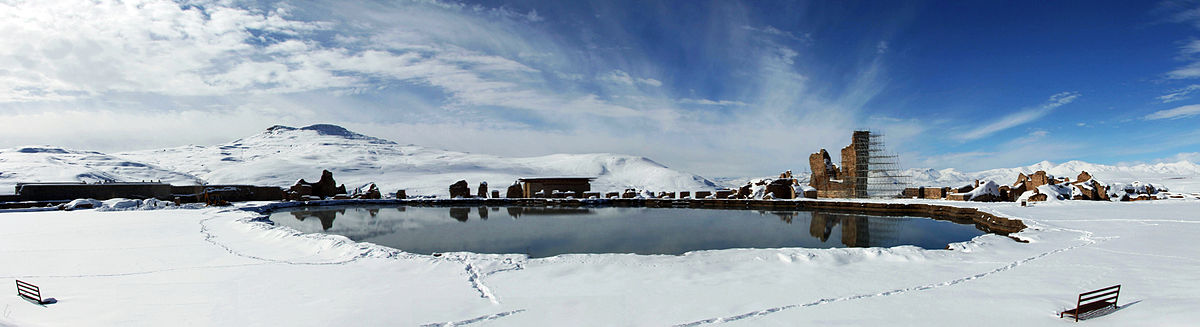
 Hi dear friends. I am NAVID TAHMASEBI (English instructor & Inbound manager of Tavrizh parvaz travel & tourism agency)and I was Born in Tabriz. This weblog is created to introduce IRAN for passengers from all around the World.