Shah Nimatullah mausoleum_Mahan_Kerman
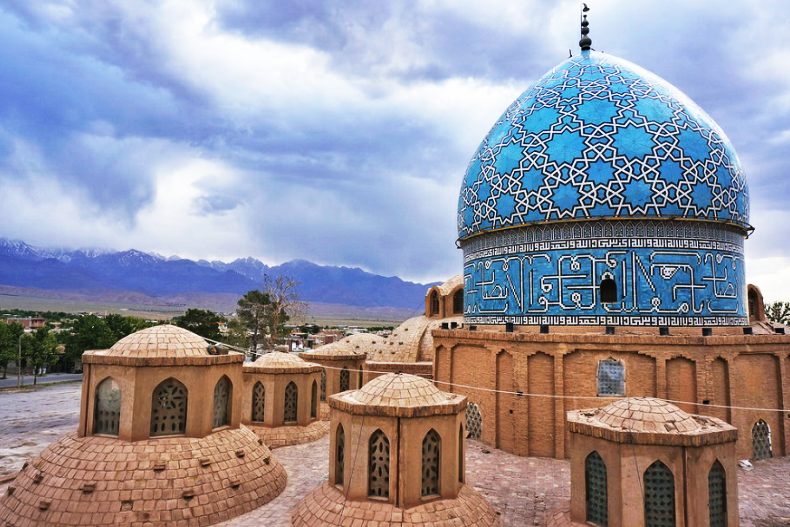 Shah Nimatullah Vali was a 15th century mystic, poet and Sufi master who is considered the founder of the Nimatullahi Sufi order. Built over six centuries, his shrine complex in Mahan spans an area of 32,000 square meters and consists of five courtyards (Atabaki, Vakil-ol-Molki, Mirdamad, Biglarbeigi and Hosseiniyeh), a pool (howz) decorated with geranium flowers, a mosque and twin minarets covered in turquoise tiles.
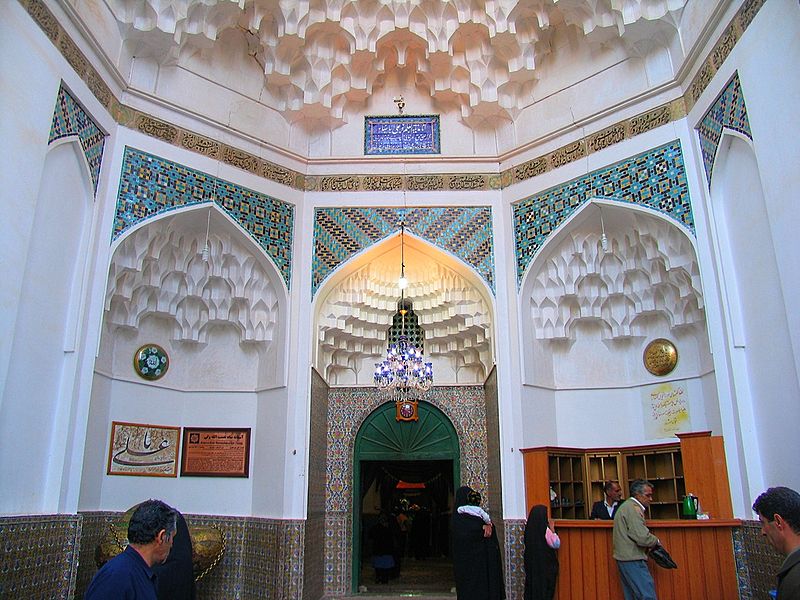 The complex has a Shah Abbasi Portico which was built during the reign of the famous Safavid (1501–1736) monarch as well as a Chelleh Khaneh where Shah Nimatullah Vali is said to have performed a challeh – the Sufi practice of remaining in isolation for a period of forty days for prayer and spiritual contemplation.The mausoleum has a double-shell domed arch adorned with paintings over stucco under which is a raised tomb covered with a marble slab bearing Quranic verses and the names of the 12 Shia Imams.
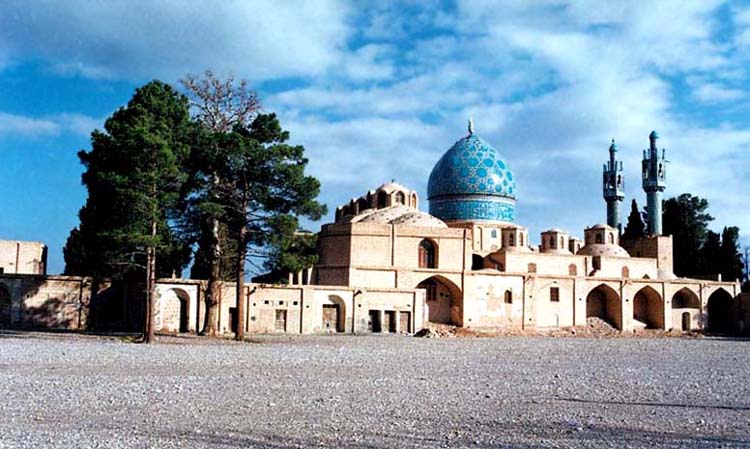 The complex has decorations in the form of tilework, stucco reliefs, wall paintings and moqarnas (decorative corbels).The complex was mostly expanded during the Qajar (1785-1925) era. Shah Nimatullah Vali Mausoleum was damaged during an earthquake in 1981 and has since been renovated. The mausoleum was registered as a National Heritage Site in 1931.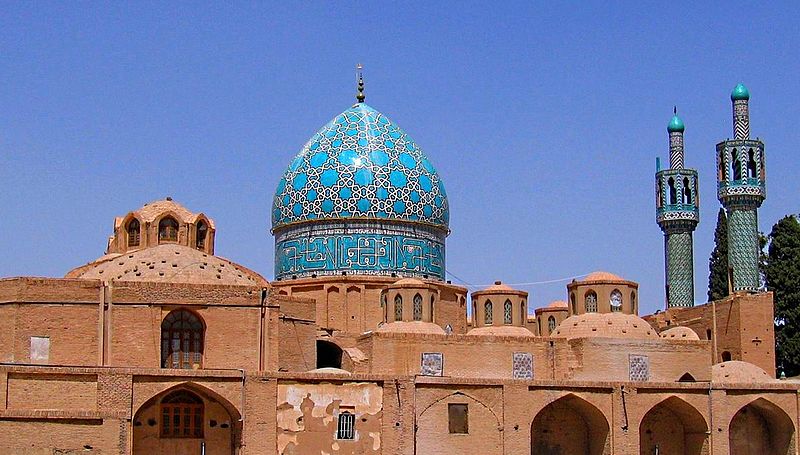
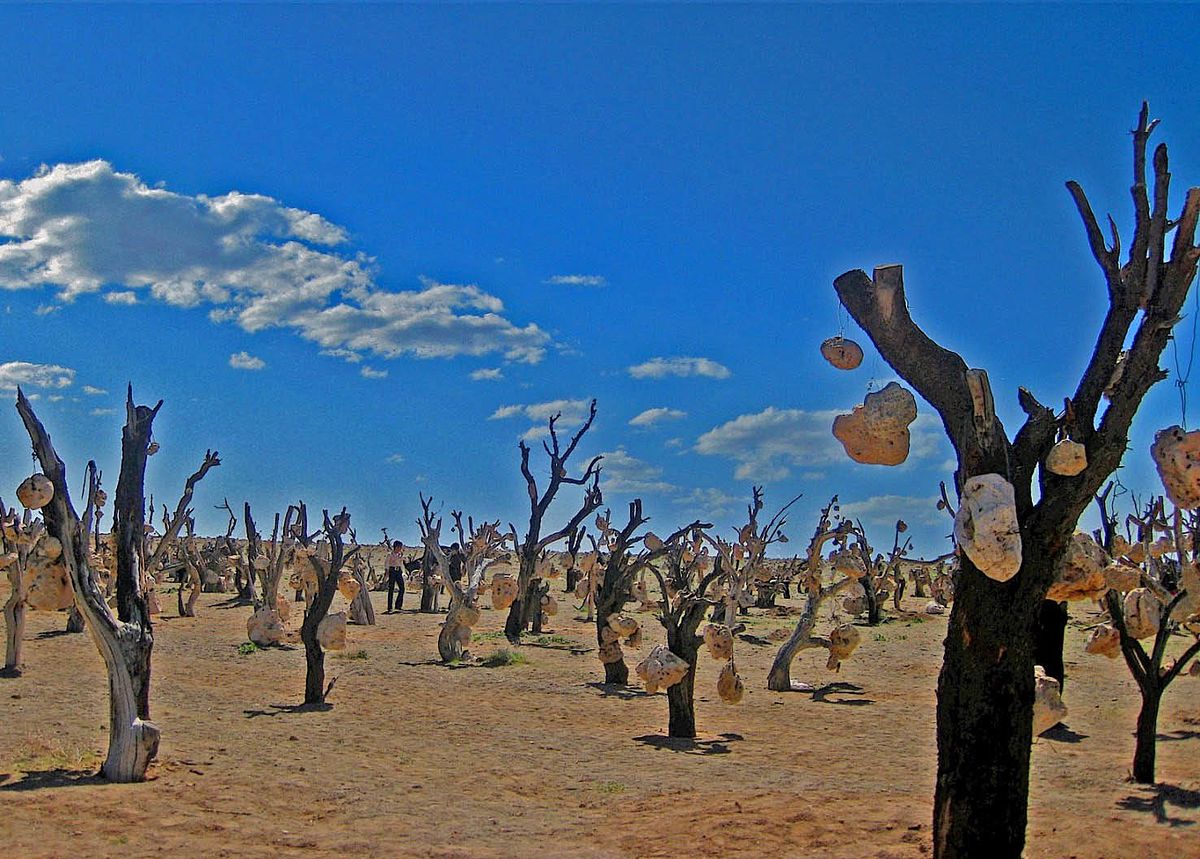 Bagh-e Sangi or Stone Garden in Kerman Province is a hexagonal garden created by Darvish Khan Esfandiarpour to protest the Pahlavi era (1925-1979) Land Reforms of 1963. Darvish Khan used telegraph cables to hang stones from the trees in his garden.
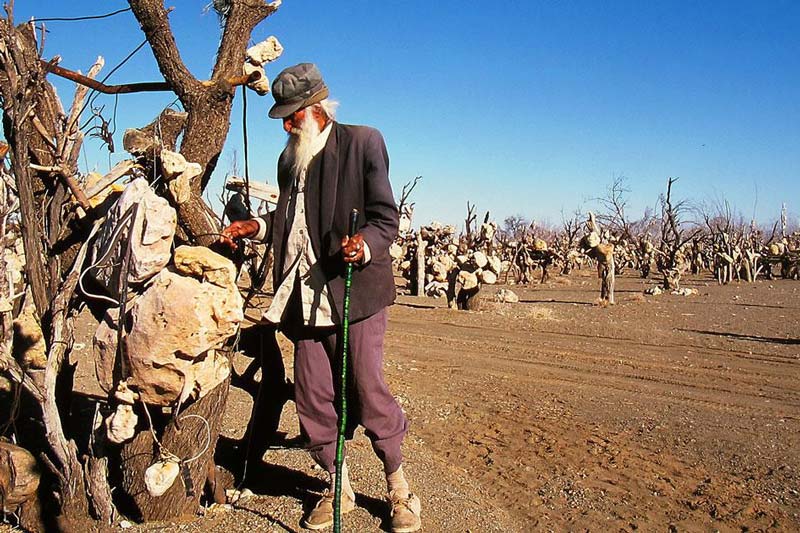 Darvish Khan passed away at the age of 90 in 2007 but as he was deaf and mute he was never able to explain how he created this massive garden.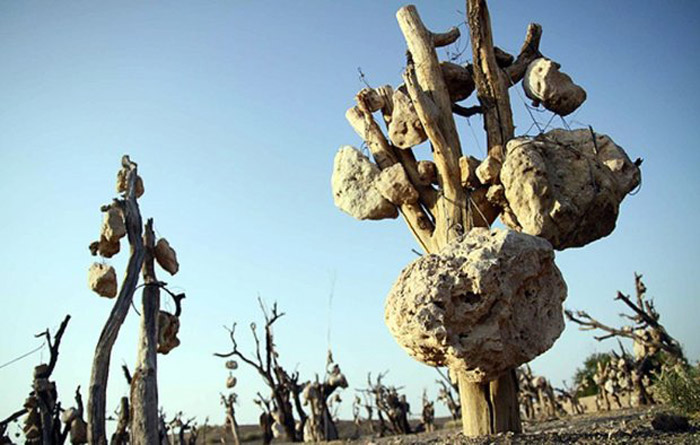
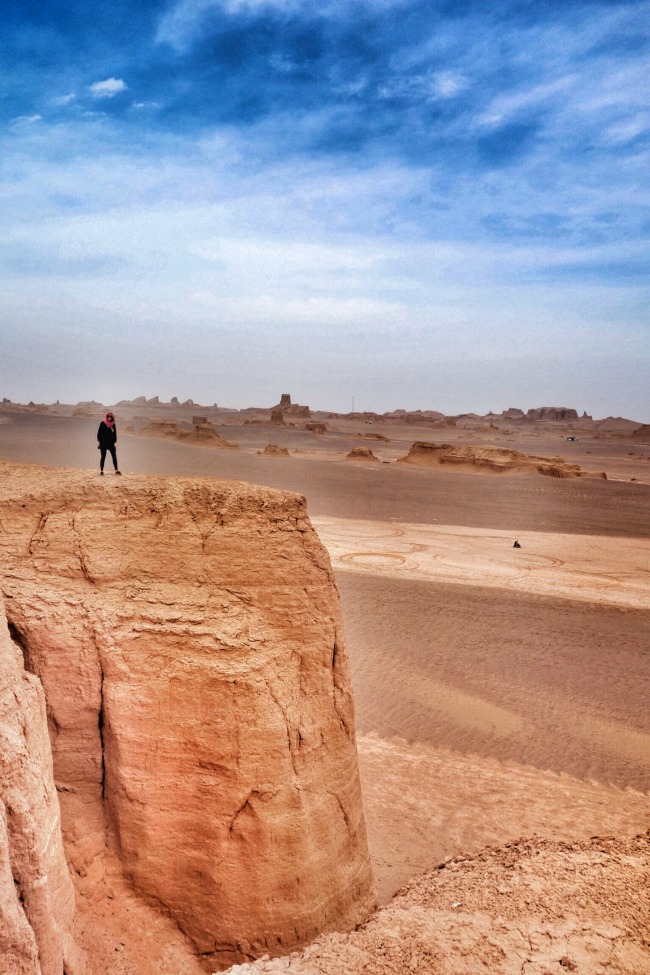
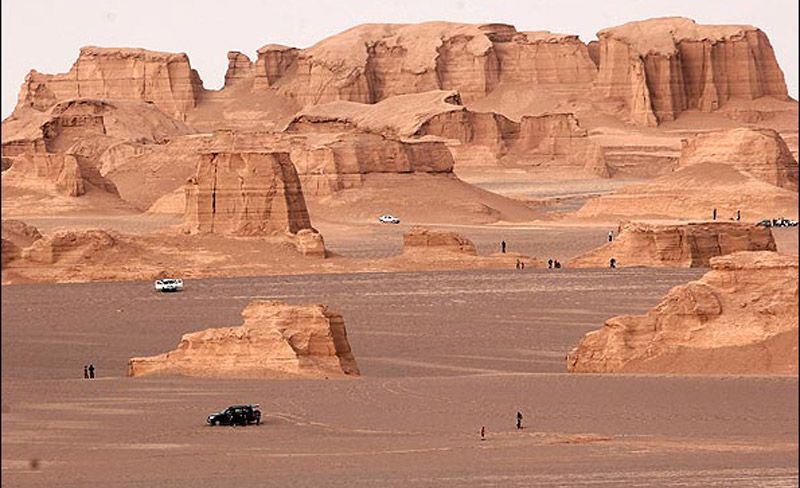
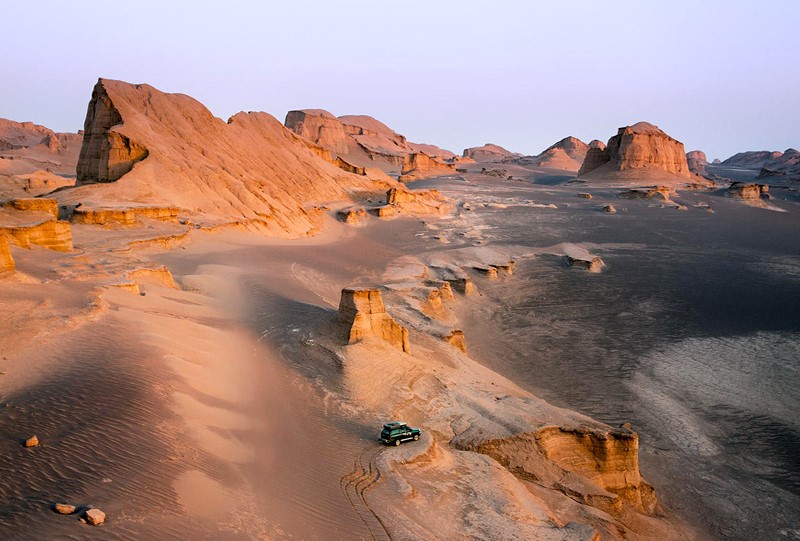 In the heart of the Lut desert, the only Iran UNESCO natural world heritage site, there is an area with incredible sight of Shahdad desert. Shahdad desert holds stunning and beautiful Kaluts. Kaluts are a group of oasis villages wedged in the desert and are made of ovate shape boiling of volcanic lava in the salty desert.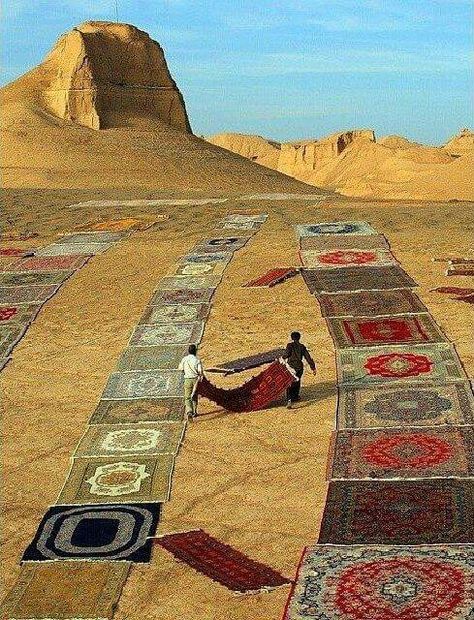
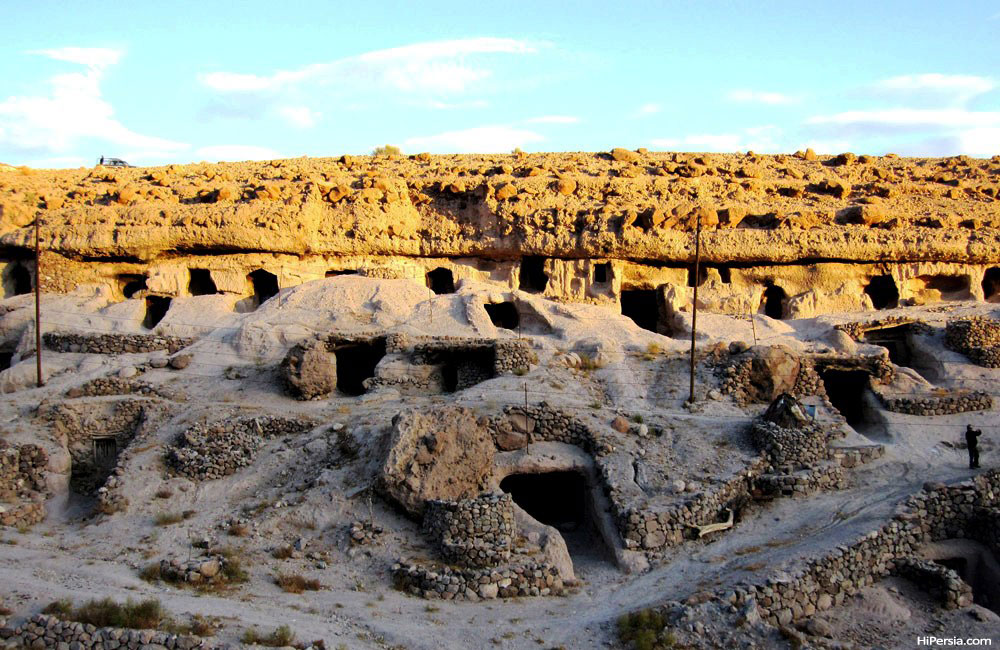 Meymand Village is a 12,000 year old village located in Shahr’e Babak, Kerman, 35 kilometers from the town of Babak on the Tehran-Bandar Abbas Road. Unlike other ancient villages, Meymand has retained its culture. Living conditions in Meymand are harsh due to the aridity of the land and to high temperatures in summers and very cold winters. The Village consists of a number of amazing natural and manmade caves that are still used today for housing and shelter.
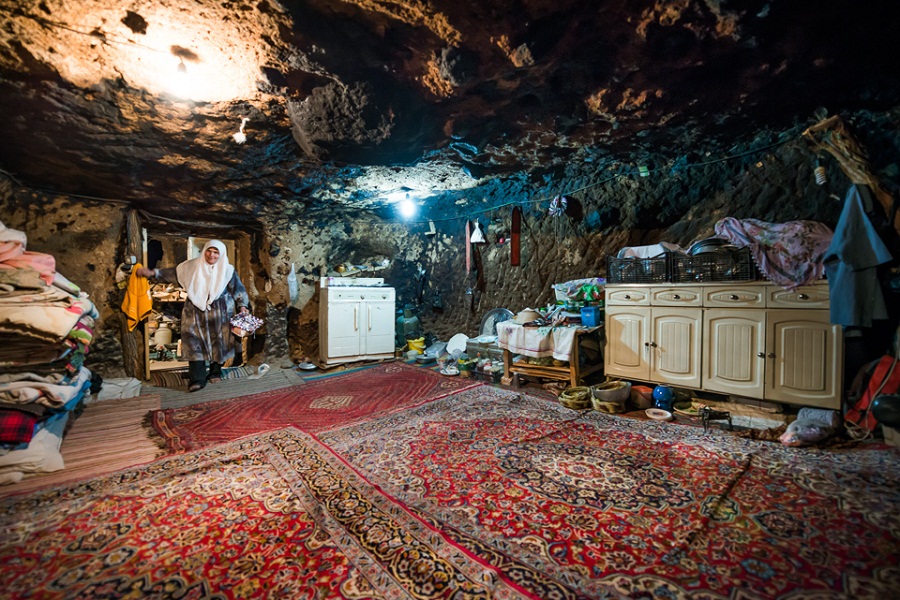 Currently a scarce population of 150 people continue to live there. The origins of Meymand date back to the time when the inhabitants of the Persian plateau had not yet started to bury their dead in traditional graves but rather placed them inside crypts carved in the mountain. This belief has been attributed to followers the goddess Mithra.
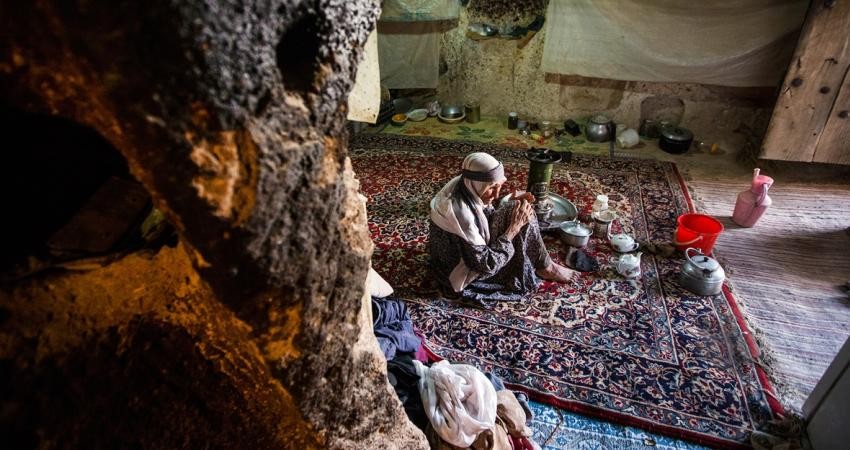
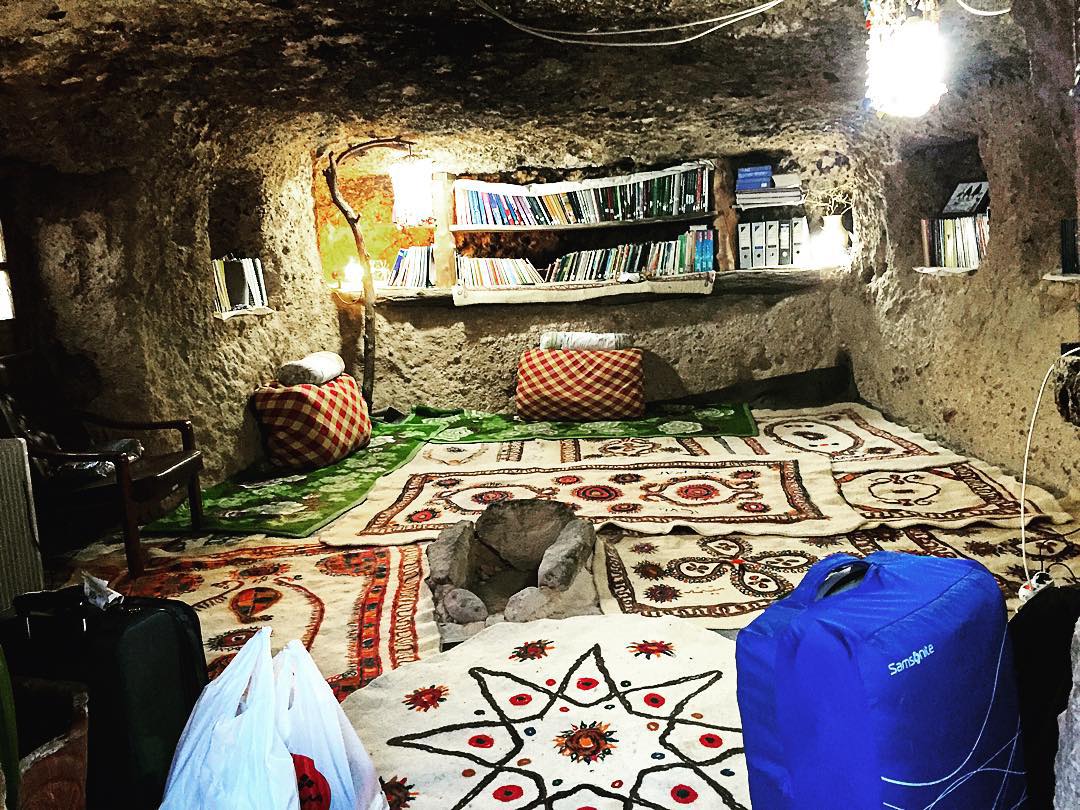
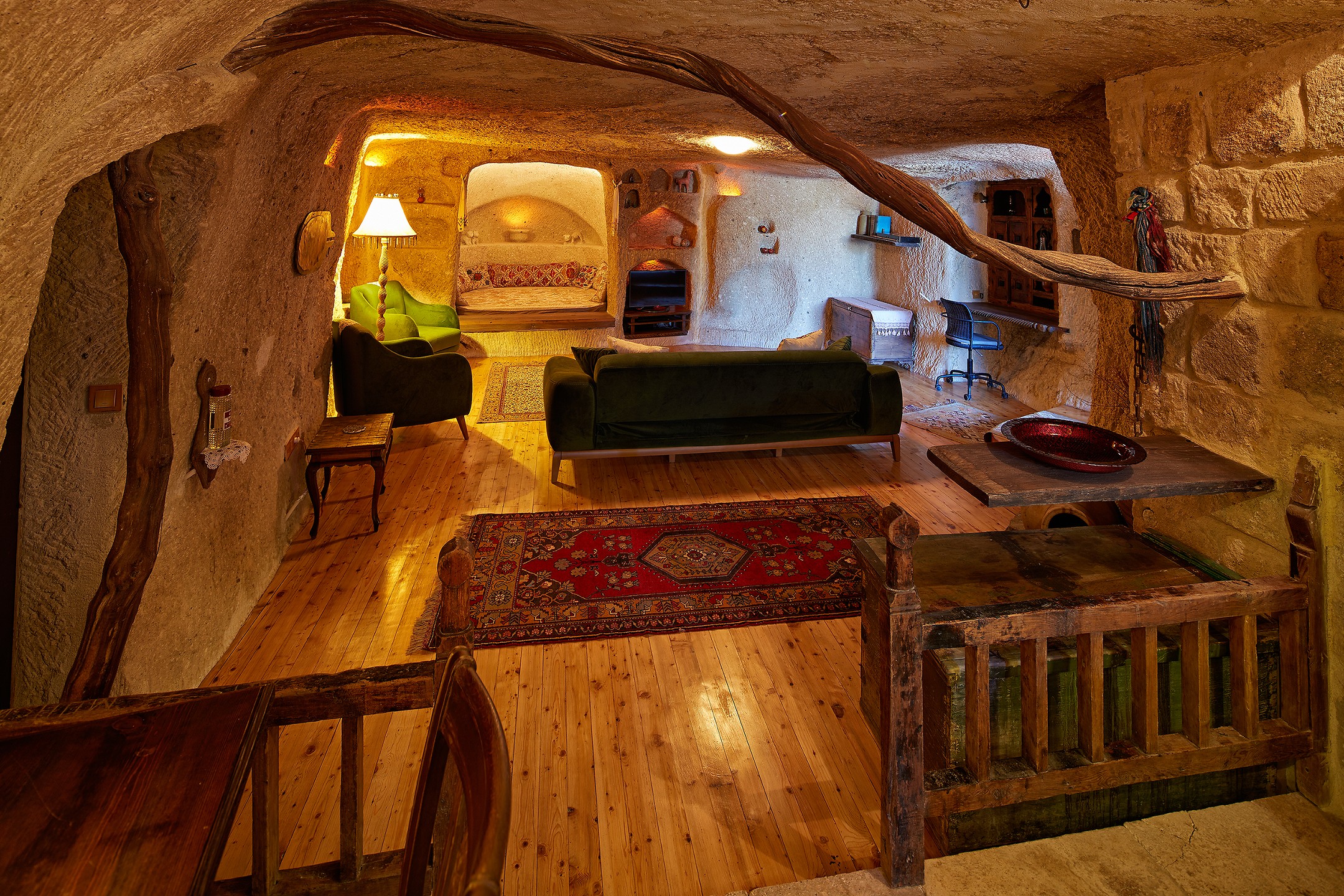 The old houses of Meymand Village are carved like caverns inside the mountain. The internal spaces have corridors and pillars showing a rural architecture. The houses are situated in four or five stories, one on top of the other. There is a stove inside each house used for heating and cooking. The inward spaces are black because of smoke and soot. There is also an area of around 400 square meters in the Village containing 15 circular stone rooms.
 Bones and other belongings were discovered there, giving the impression that it was used to lay the bodies of the deceased. The discovery of stone engravings, some as old as 10,000 years, around the Village in addition to 6,000 year old pottery reveal the long lived history of the Village. According to the locals, the ancients did not use a hammer and chisel, but rather a type of local, pointed stone which is hard enough to carve images onto the rocks. This method of carving is still practiced in the region today.
 Sandwiched between a desert and mountain, Meymand enjoys a mountainous climate with cold winters and exceedingly hot summers and abundant with mulberry and blackberry trees. The area is also home to various animals such as snakes, lizards, hedgehogs, deer, leopards, wolves, foxes and also birds of prey. There are a few seasonal rivers and springs around the Village which fairly contribute in flourishing of agriculture in the area.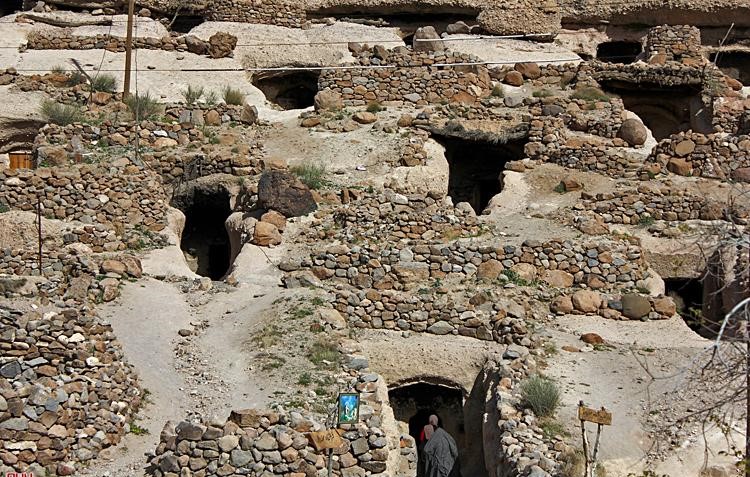
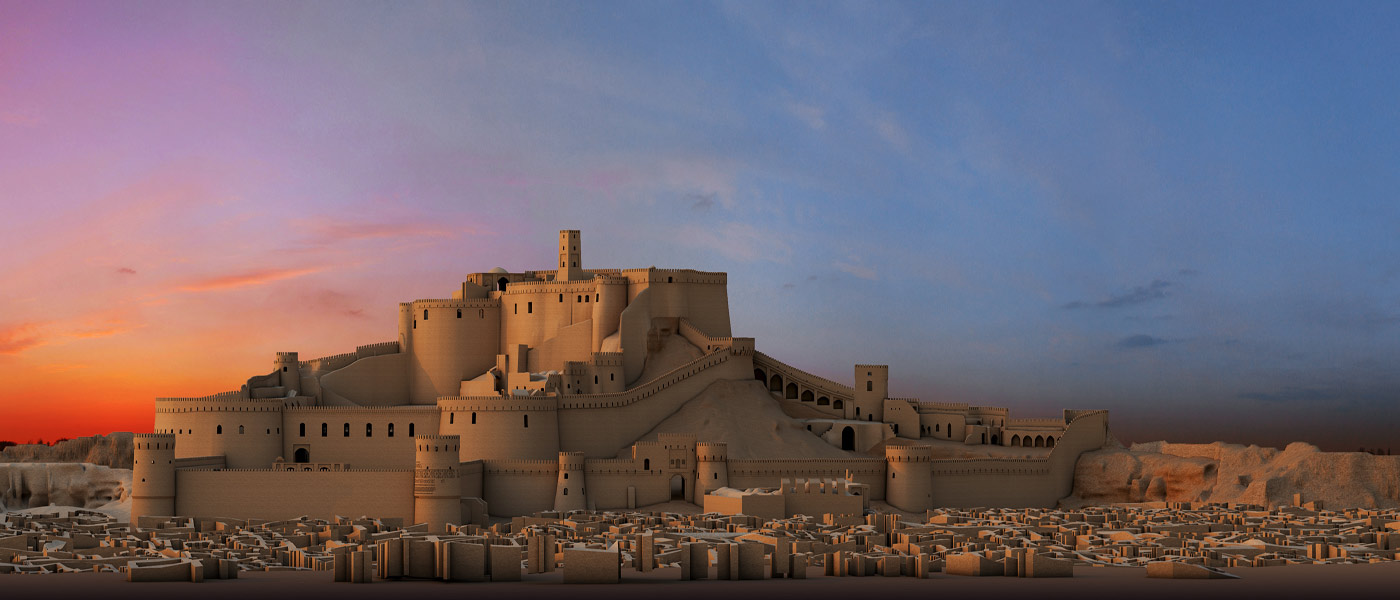 The Bam Citadel, established in the Sassanian period, is situated atop an artificial hill in the northwest quadrant of the old city of Bam and southeast of Kerman. This artificial hill, originally created from debris, elevates the citadel approximately 5 meters above the surrounding urban fabric. It is sandwiched between the mountain range of Kaboodi and Barez and is surrounded by a manmade moat. The Bam citadel is the largest adobe building in the world, located in Bam, a city in the Kerman province of southeastern Iran and is listed by UNESCO as part of the World Heritage Site.
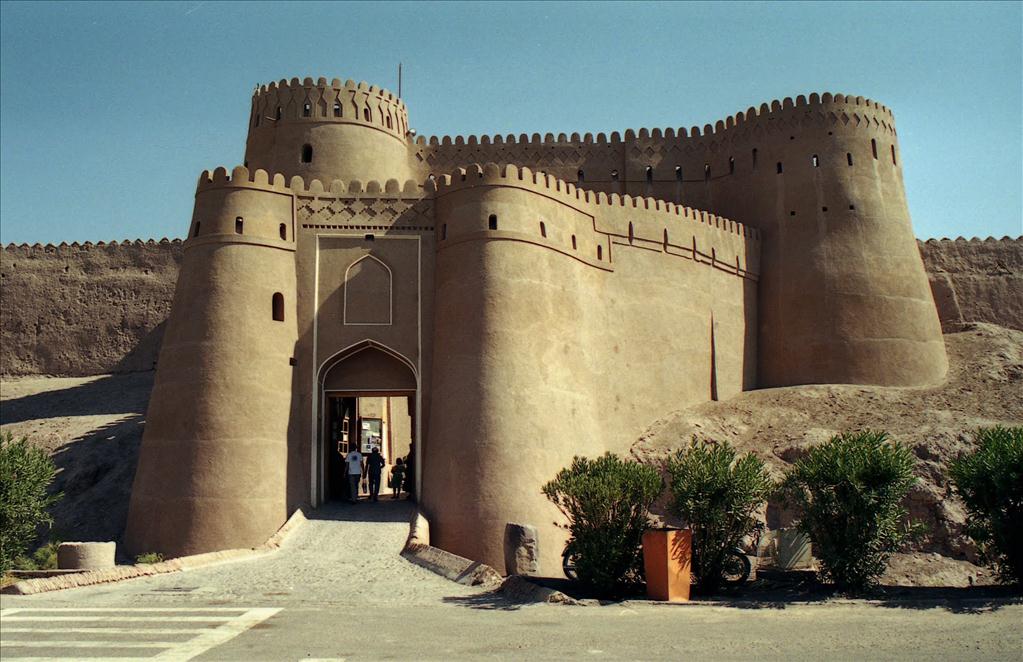 This enormous citadel on the Silk Road was built before 500 BC and remained in use until 1850 AD. It is not known for certain why it was then abandoned. The entire building was a large fortress in whose heart the citadel itself was located, but because of the impressive look of the citadel, which forms the highest point, the entire fortress is named the Bam Citadel. The actual citadel is situated in the center of the fortress-city, on the point with widest view for security.
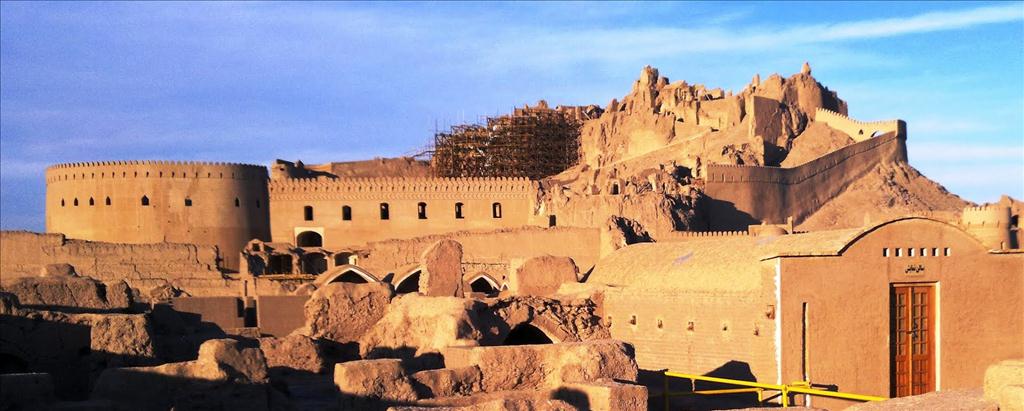 The area of the Bam Citadel is approximately 20,000 square meters, and it is surrounded by walls 6-7 meters high. The citadel features two of the "stay-awake towers" for which Bam is famed - there are as many as 38 such towers scattered across the ancient city of Bam. People left the citadel during the 19th century, but the army kept a presence until 1932.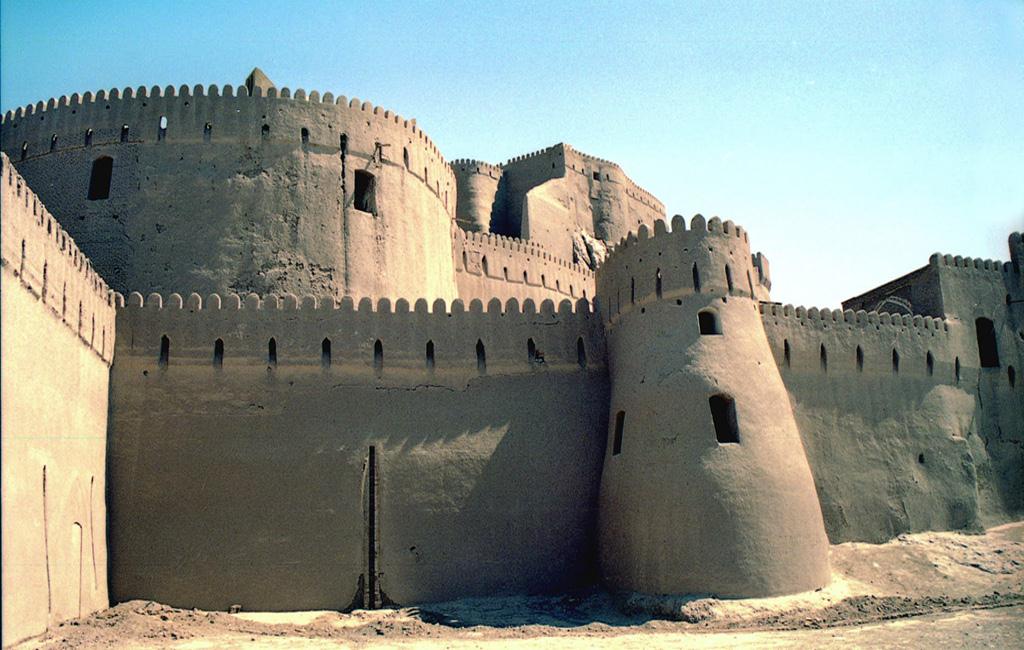


 Hi dear friends. I am NAVID TAHMASEBI (English instructor & Inbound manager of Tavrizh parvaz travel & tourism agency)and I was Born in Tabriz. This weblog is created to introduce IRAN for passengers from all around the World.